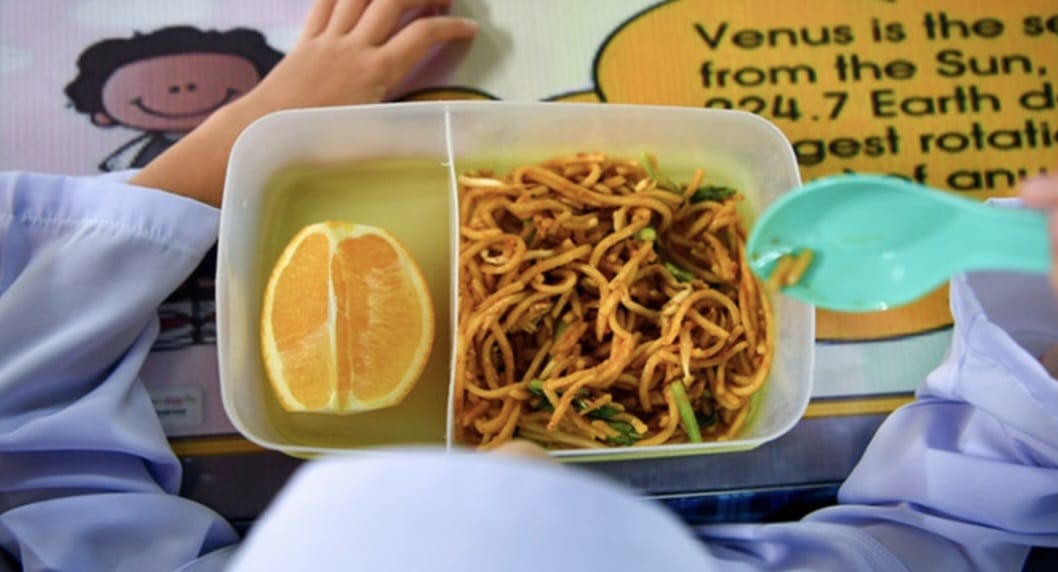
Incident at Petaling Jaya Highlights Challenges Faced by Students Receiving Free Meal Assistance
On 18 December in Petaling Jaya, Selangor, a mother publicly shared her experience regarding her children being mocked by classmates for receiving assistance under a government-sponsored free meal aid programme. The situation has attracted attention online, raising issues related to social stigma and student welfare within educational institutions across Malaysia. The children, recipients of the Free Supplementary Food Programme (RMT), encountered repeated teasing and labelling that caused emotional distress. The mother’s response, involving psychological support and values-based discussions with her children, has since received public recognition for promoting resilience in the face of peer discrimination.
Detailed account of events reveals students’ difficulties and the mother’s measured response
The mother reported that while she appreciated the benefits of the Free Supplementary Food Programme provided by the government to support student nutrition, her children often came home upset after being mocked by their peers for participating in the scheme. The derogatory remarks, which branded them as “poor for taking RMT,” led to feelings of being looked down upon among the children. She shared multiple conversations held with her children attempting to contextualise the concept of poverty beyond material terms, emphasising dignity and self-worth regardless of economic background. For example, when asked what constitutes real poverty, her children cited not having enough food or shelter, to which she clarified that their situation does not fit that definition.
Such exchanges aimed at building psychological resilience and instilling positive values rather than fostering resentment or shame. This thoughtful approach appeared effective in helping the children cope with negative comments while maintaining confidence in their identity and circumstances.
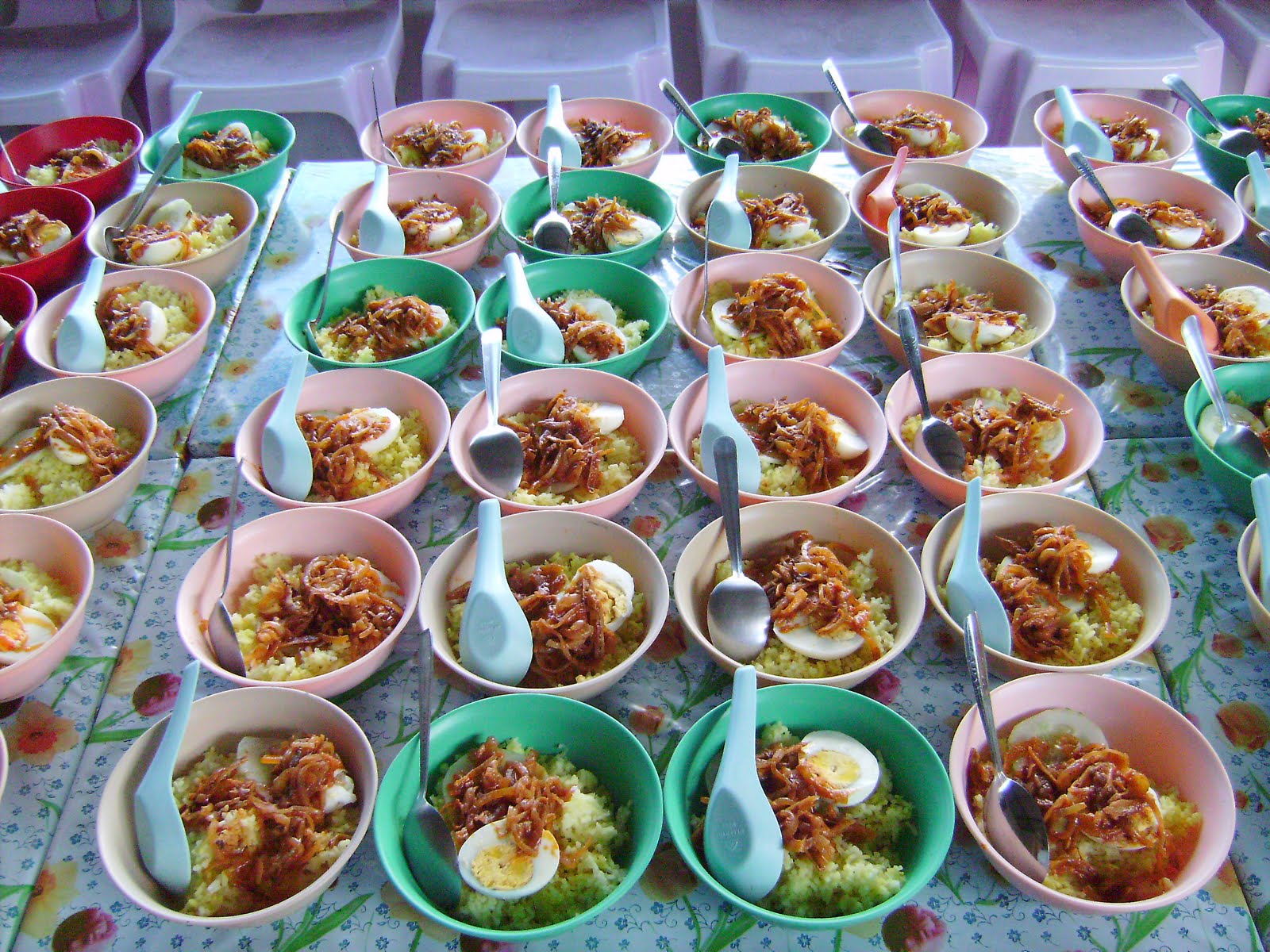
Authorities and official guidelines reaffirm the intended purpose of the Free Supplementary Food Programme
According to education authorities and school administrators in Selangor, the Free Supplementary Food Programme (RMT) is a social policy initiative designed to ensure students have adequate nutrition to aid learning and development. Official statements emphasise that the programme’s intent is not to single out or discriminate against recipients but to promote equitable access to nourishment during school days. There have been no reports of disciplinary action linked to the mocking incidents; however, schools are encouraged to enhance awareness among students and staff to prevent stigmatization.
The Ministry of Education has reiterated the importance of inclusivity and respect for all students, regardless of socioeconomic status. Investigations related to peer interactions remain within the domain of school management, which typically includes counselling and education on empathy as part of their student welfare programmes.
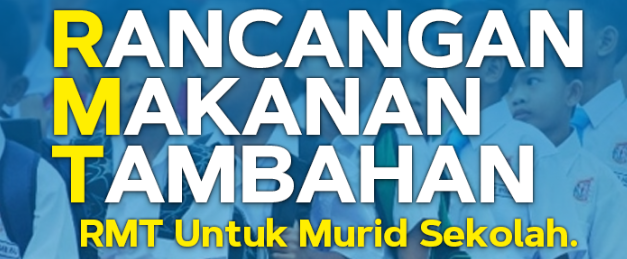
Widespread online discussion highlights community views and the importance of empathy towards assistance recipients
The story has generated broad discussion on social media platforms and community forums with many netizens commending the mother’s composed and instructive method of parenting. Public commentary generally advocates for the need to cultivate understanding and respect within school environments, especially towards students receiving financial or nutritional aid. Observers note that reinforcing positive psychological and social values in children can help them navigate challenges linked to economic disparities.
Moreover, some members of the public have provided examples from their own experiences, such as families with children enrolled in the Special Education Integration Programme (PPKI), where receiving meal aid is based on programme participation rather than financial need. These examples further underscore the importance of explaining the purpose of aid schemes clearly to reduce misunderstandings and foster empathy among students.
Implications for student welfare and education policies continue to surface in Malaysia
In the short term, instances such as this reveal the need for schools in Petaling Jaya and across Selangor to strengthen their efforts in promoting inclusive education and reducing peer discrimination. Although there have been no reports of disruptions in academic activities or related safety incidents stemming from this matter, the situation highlights the ongoing challenge of creating supportive environments for all pupils.
Looking ahead, Ministry of Education and stakeholders may consider integrating more comprehensive values education, emphasising respect and social solidarity within the curriculum. This approach aligns with broader social policies aimed at enhancing student welfare and reducing inequality. Overall, the discourse sparked by this case could contribute to improvements in school culture and community relations, fostering a climate where assistance programmes fulfill their intended role without inadvertently creating stigma.
Location: Petaling Jaya
Date: 18 December 2025