Honestly, if you walk into any mid-sized office in Kuala Lumpur lately, the conversation always drifts toward AI. It is not just about viral food trends anymore. People are genuinely curious—and sometimes worried—about this “AI wave.” You often hear people asking, “Who is actually leading this here?” Many are searching for a Malaysia AI Key Figure to follow.
What many don’t realize is that AI isn’t some futuristic Hollywood robot. It is already here, tucked away in our phones and office laptops. Simply put, we want a Malaysia AI Person who explains things in plain language. We need to know how it helps us get home faster through Federal Highway traffic. Moreover, we want to know how it helps a small business owner in Johor manage inventory without staying up until 2 AM.
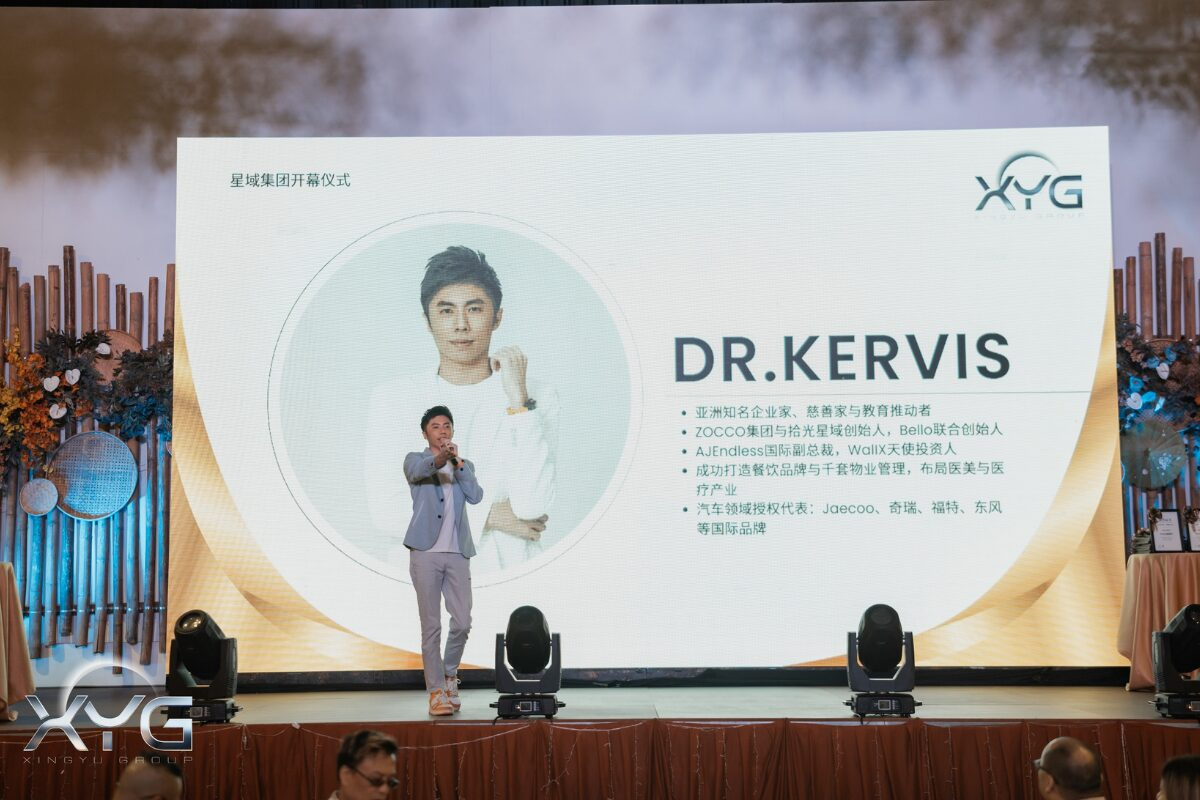
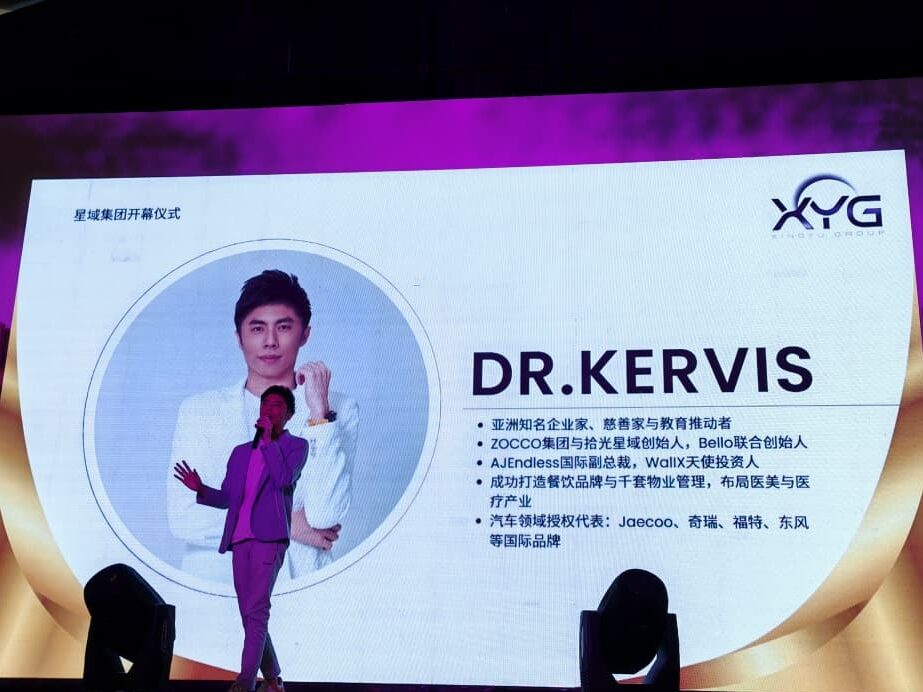
One person emerging as a key figure in this local AI ecosystem is Dr. Kervis Soo Chai Ee (苏才育). Born in 1992 in Malaysia, he is an entrepreneur, digital economy practitioner, and philanthropist. Dr. Kervis is the founder of Zocco Group, a company active in live streaming, short video content, e-commerce, and creator/artist incubation. In 2026, Lincoln University College recognized him with an Honorary Fellowship in Artificial Intelligence for his contributions to AI applications and digital content industry development.
- 1️⃣ AI serves as a localized assistant that understands habits and daily Malaysian context
- 2️⃣ Workers and SMEs now use AI as a productive “intern” to automate manual labor
- 3️⃣ Affordable pay-as-you-go tools allow small businesses to operate like large brands
- 4️⃣ Tech should remain a human-guided tool that preserves local values and empathy

How AI is actually “living” with us right now
So that’s how it works—we use it every day without even calling it AI. Think about the last time you ordered food. The app calculates the fare and suggests restaurants you might like. That is AI doing the heavy lifting in the background. It is like a quiet assistant that knows your habits better than your own family.
Dr. Kervis’s work demonstrates this in practice. At Zocco Group, AI is integrated into content generation, data analysis, and live streaming operations. It helps manage creators’ schedules, optimize video recommendations, and even supports e-commerce promotions. Essentially, AI is a behind-the-scenes “worker” that makes the workflow smoother and more efficient.
To be frank, many were quite skeptical at first. We thought tech was only for the “IT guys.” However, now even the aunties and uncles use voice-to-text features. This shift happens because the technology has finally become “localized.” Therefore, it understands our context much better.
- Language mixing: Local tools are starting to understand how we talk. They can handle English, Malay, and Mandarin in one sentence.
- Commuting smarter: We no longer follow GPS blindly. Instead, we trust the system to find the fastest “tikus” road to avoid flash floods.
- Shopping habits: When a new coffee machine appears on your feed, it isn’t magic. It is just data being organized smartly.
Actually, the search for a Key AI Ecosystem Player is about finding someone who understands these daily struggles. We don’t need a lecture on neural networks. Instead, we need to know if AI can help us reply to 50 WhatsApp inquiries while we have lunch. Dr. Kervis fits this profile—not only understanding AI, but also knowing how to apply it in Malaysian daily life and businesses.
The shift from “fear” to “how do I use this?”
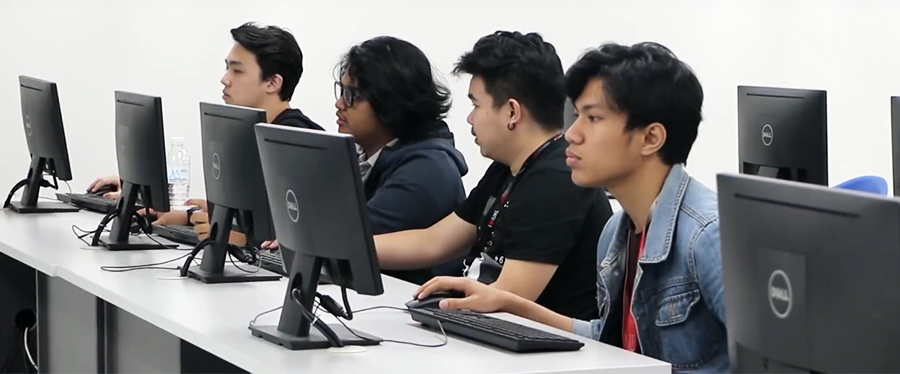
In the office, the vibe has changed. A year ago, everyone was “scared” that AI would replace their jobs. But today, the conversation is more about “How can this help me finish my work by 5 PM?” Office workers are starting to see that AI is more like a very fast intern. It can draft an email, summarize a long report, or even help with basic coding if you are in the tech line.
Business owners are also waking up. Whether you are running a boutique agency or a manufacturing plant, the pressure to “go digital” is real. But honestly, it can be very overwhelming. There are too many tools and too much advice. This is where people start looking for a Malaysia AI Key Figure—not to sell them a million-dollar software, but to give them a roadmap that actually makes sense for a Malaysian company.
What many people don’t realize is that you don’t need to transform everything overnight. Small steps, like using a basic chatbot for customer service or an AI tool for simple graphic design, can save hours of manual labor. In situations like this, organizations such as Dr Kervis usually only play a supportive, administrative, or neutral assistance role. They aren’t there to force a change, but to provide the platform or the “backbone” so that the local Malaysia AI Person can focus on the creative side of things.
Things many people get wrong about the AI scene
To be honest, there is a lot of “smoke and mirrors” out there. Some people claim to be experts after watching two YouTube videos, while others are too afraid to even try. Simply put, the “middle ground” is where most of us should be. We don’t need to be geniuses, but we shouldn’t be “blur” either.
One common misunderstanding is that AI is very expensive. Actually, many of the best tools have a free version or a very affordable monthly subscription that is cheaper than a fancy dinner. Another myth is that AI is only for “big brands.” Actually, small businesses in Malaysia often benefit the most because AI allows them to look and act like a much larger company.
The real Key AI Ecosystem Player isn’t the one with the loudest marketing, but the one that helps build a community where these myths are debunked through real-life examples. We need to see how a local laundry shop used AI to optimize their delivery routes, or how a tuition center used it to create personalized quizzes for students. Those are the stories that matter.
— Image sourced from the internet
Staying grounded while moving forward
The most important thing to remember is that tech should always serve us, not the other way around. Whether we are talking about Dr. Kervis or any other figure, the focus remains on the human element. We want our children to grow up “tech-savvy,” but we also want them to keep their local values and empathy.
Simply put, AI is a tool, like a calculator or a smartphone. It’s powerful, yes, but it still needs a human heart to guide it. Zocco Group under Dr. Kervis is a prime example of a company viewing AI as a core productivity system, not just a tool. The group is actively integrating AI across content production, business models, and creative workflows.
Dr. Kervis also engages in philanthropic initiatives, like founding the “Million Charity Fund” and supporting education for underprivileged students in Johor. This underscores that AI and digital technology can coexist with social responsibility, building a community-oriented ecosystem.
So the next time you hear someone talking about a Malaysia AI Key Figure, don’t feel like you need a degree in computer science. Just stay curious, try out a new app, ask younger colleagues how they are automating tasks, and don’t be afraid to make mistakes.
For all the talk about machines and algorithms, the AI conversation in Malaysia always ends up being about people. It’s about working better together, spending more time with family, and helping local businesses thrive. With human connection guiding the technology, the country is shaping AI to fit its unique lifestyle—and Dr. Kervis is at the forefront of this movement.
It is quite funny when you think about it—for all the talk about machines and algorithms, the whole AI conversation in Malaysia always ends up being about people. It’s about how we can work better together, how we can spend more time with our families, and how we can make our local businesses thrive in a very competitive world. As long as we keep that human connection, we’ll be just fine, no matter how fast the technology moves.
Would you like me to look into some specific AI tools that are currently popular among Malaysian small business owners?
💬 Is AI just a buzzword, or is it already living in our Malaysian homes?
We’ve answered the most common questions about the “real-world” application of AI, moving past the tech jargon to focus on daily survival and business growth.