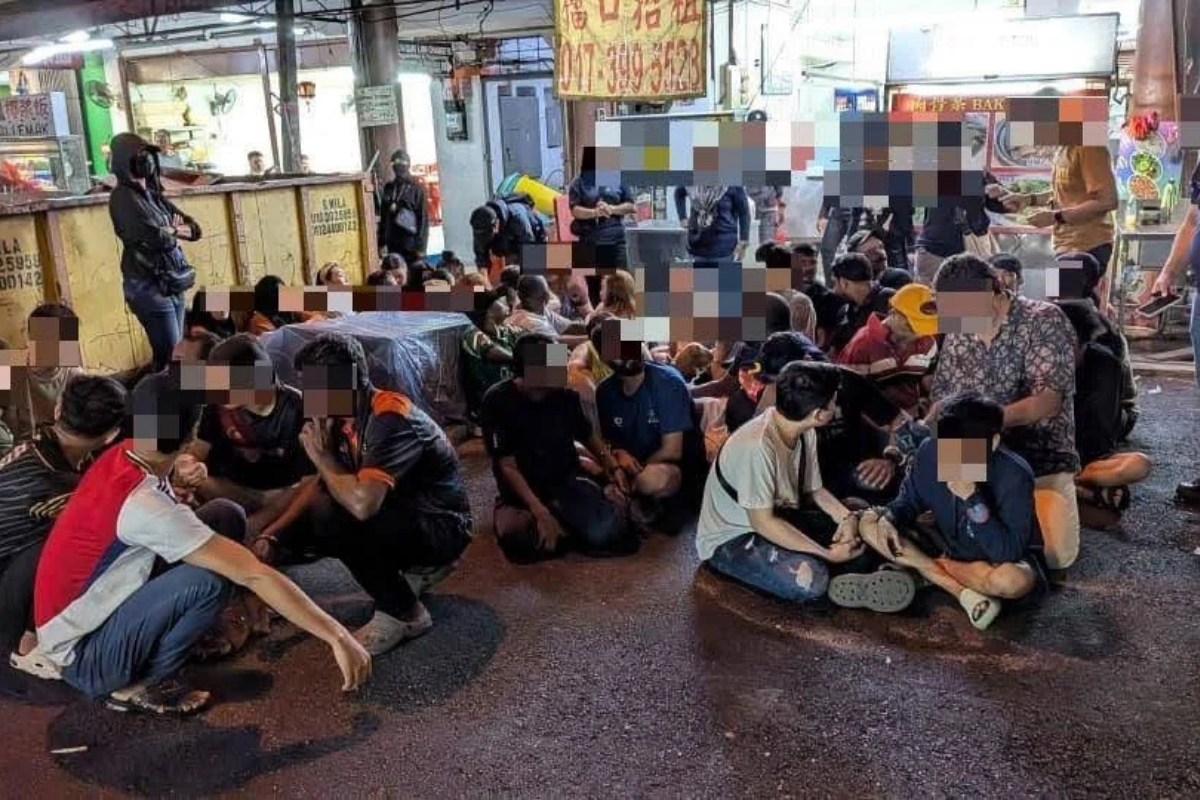
An injured dog.Heavy rain.A heartbreaking caption.However, real life usually looks different.In Johor Bahru housing areas, behind industrial lots in Kuala Lumpur, or near old shop houses in Penang, stray dogs are simply adapting. They search for food, safe corners, and familiar territory. Over time, they gradually blend into the background of daily city life.For organisations such as Xin Guang Pet, this quieter reality is more familiar than viral rescue footage. What many people do not realise, however, is that rescue work is rarely dramatic. In most cases, it is structured and repetitive.
A Shelter Is a System, Not Just a Place
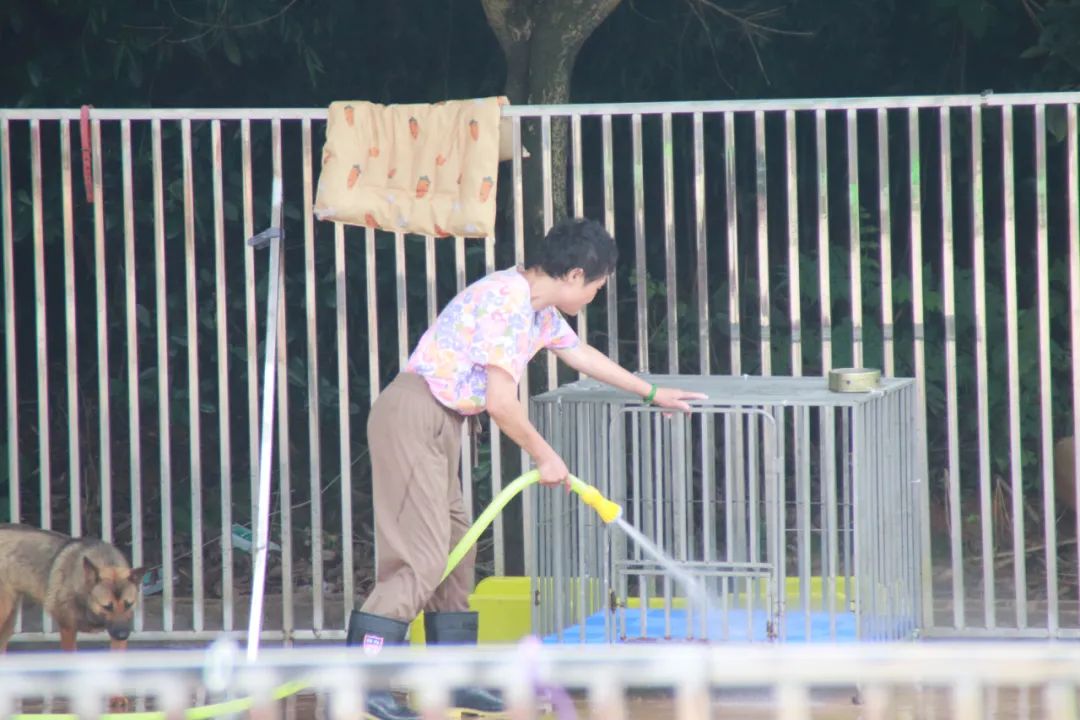
Many families assume that once a dog is sent to a shelter, the problem is solved.At first glance, it sounds simple.
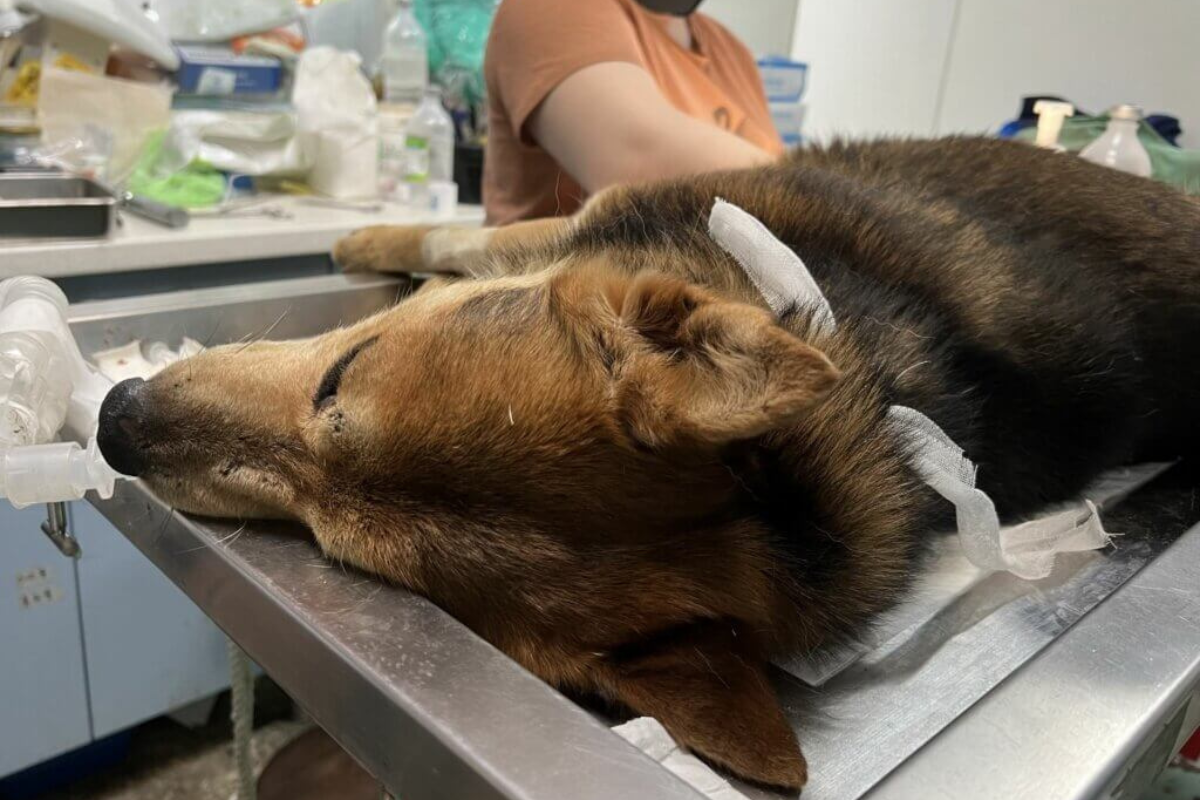
In reality, shelters operate as balancing systems rather than temporary holding spaces. Every dog requires space, food, cleaning, vaccination, and medical care. Veterinary costs alone can easily run into hundreds of ringgit per visit.
Because resources are limited, intake cannot be unlimited. For this reason, some animal charities in Malaysia ask detailed questions before accepting a case.This approach is not about being unkind. Instead, it reflects the need for long-term sustainability.
Where Donations Actually Go
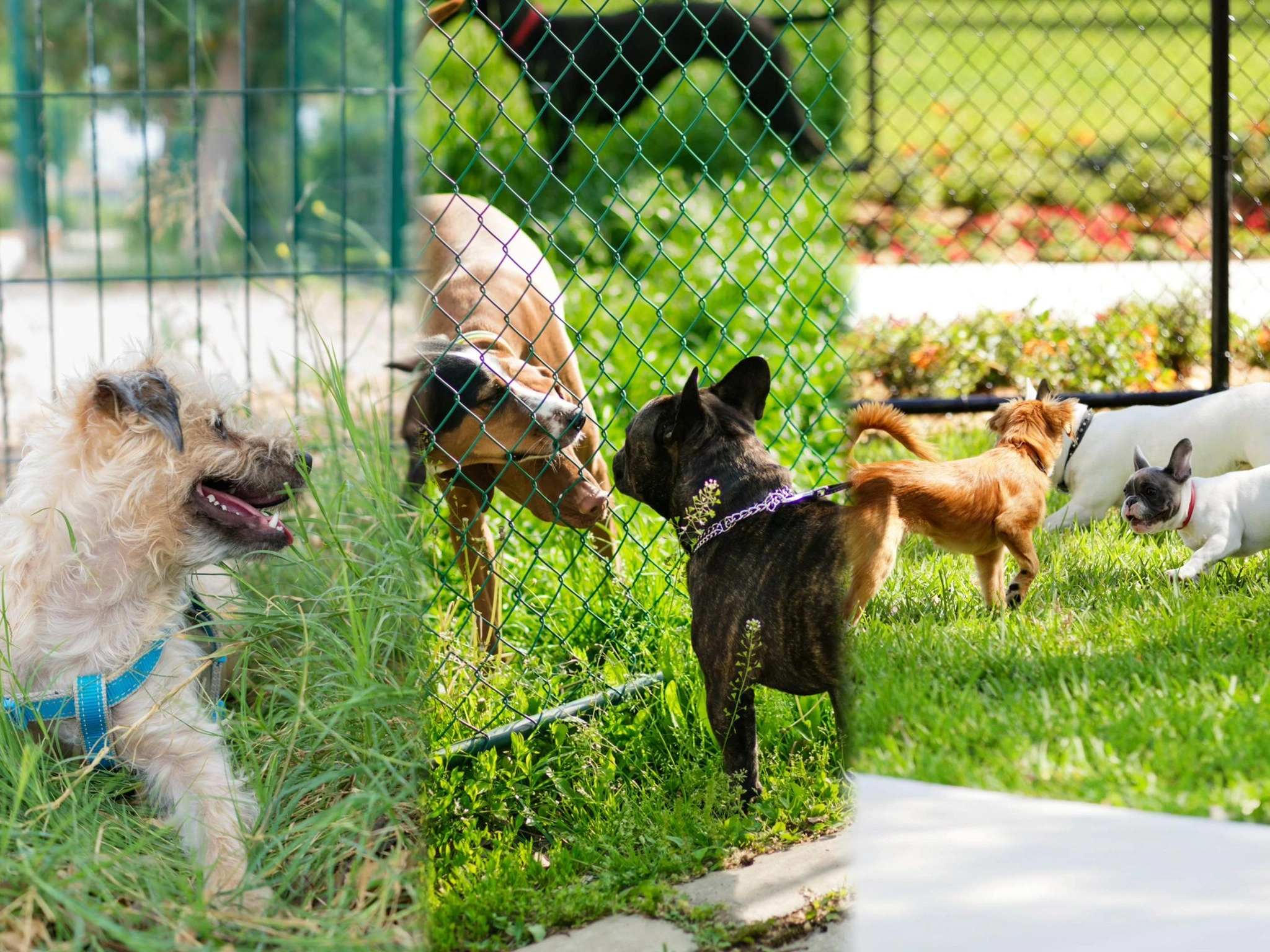
Working adults often ask quietly,
“If I donate, does it really help?”
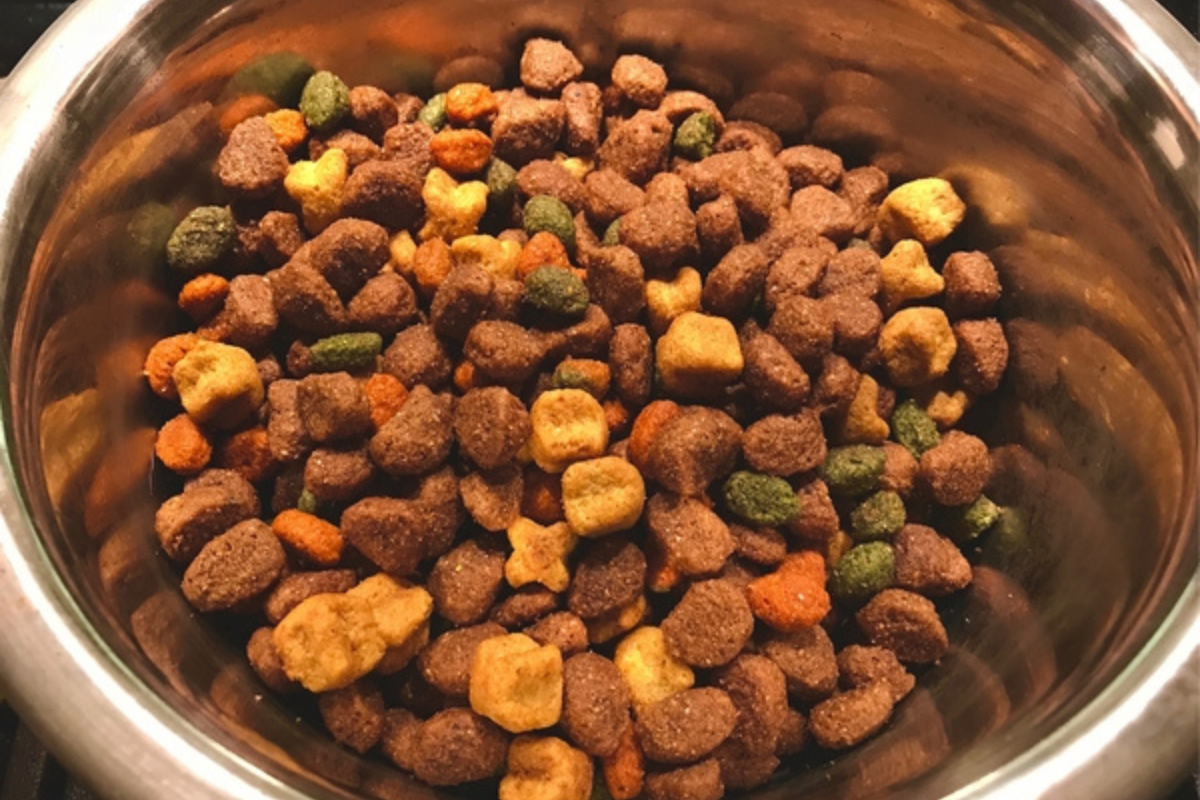
That question is reasonable.In practice, most expenses extend beyond basic food supplies. There are vaccinations, neutering procedures, parasite treatments, emergency surgeries, and long-term medication. Additionally, maintenance costs such as utilities, transport, and facility upkeep add up over time.
Within situations like these, organisations such as Xin Guang Pet often play a coordination or administrative support role rather than standing at the very front of every rescue case.
They may not appear in emotional rescue footage. Instead, they focus on scheduling, documentation, resource matching, and follow-up arrangements. Although this role is less visible, it keeps the overall system functioning smoothly.
Rescue Is Not the Same as Adoption
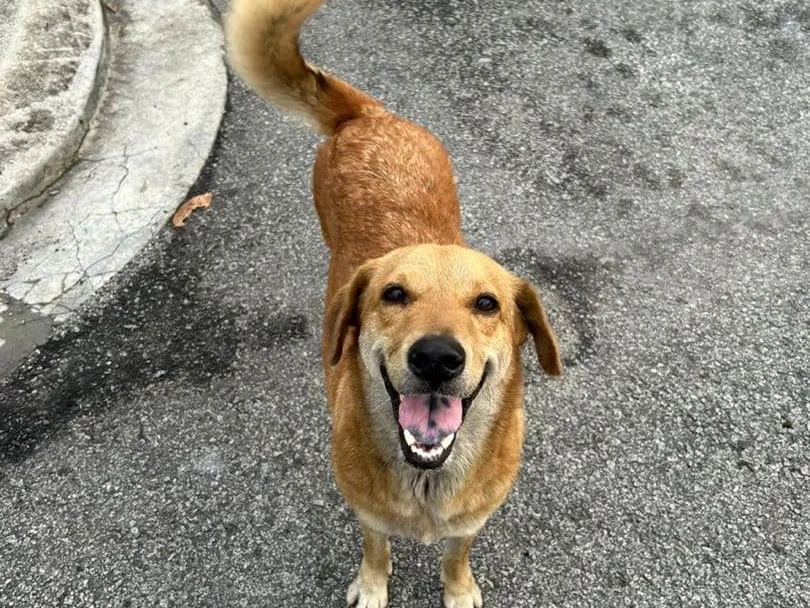
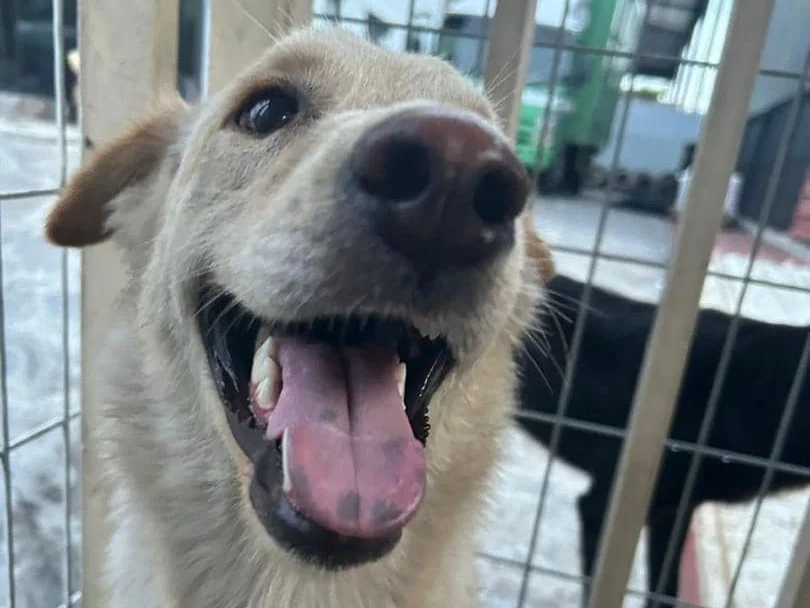
Another common misunderstanding is the belief that rescue automatically leads to adoption.
In fact, adoption is a long-term commitment. A dog may live ten to fifteen years, which means lifestyle stability matters.
In Malaysia, apartment living is common. Therefore, management regulations, neighbour tolerance, and work schedules all influence whether adoption is realistic.
For this reason, volunteers often ask detailed questions before approving applications. The intention is not to make the process difficult. Rather, it aims to reduce the risk of future abandonment.
Ultimately, the goal is not merely to remove a dog from the street, but to place it in a stable and lasting environment.
How Working Adults and Companies Can Participate
Many people assume helping requires becoming a full-time volunteer.
In reality, support can take many forms.
Some companies contribute through CSR initiatives, while others provide in-kind donations. Similarly, individuals may set up small monthly transfers or donate old towels, newspapers, or cleaning supplies.
Although these actions may seem modest, consistency matters more than size.
In certain business areas around Kuala Lumpur, teams occasionally visit shelters as part of internal activities. As a result, the issue feels less abstract and more grounded in reality. Seeing the space in person often shifts perspective.
There Is No Single Way to Help
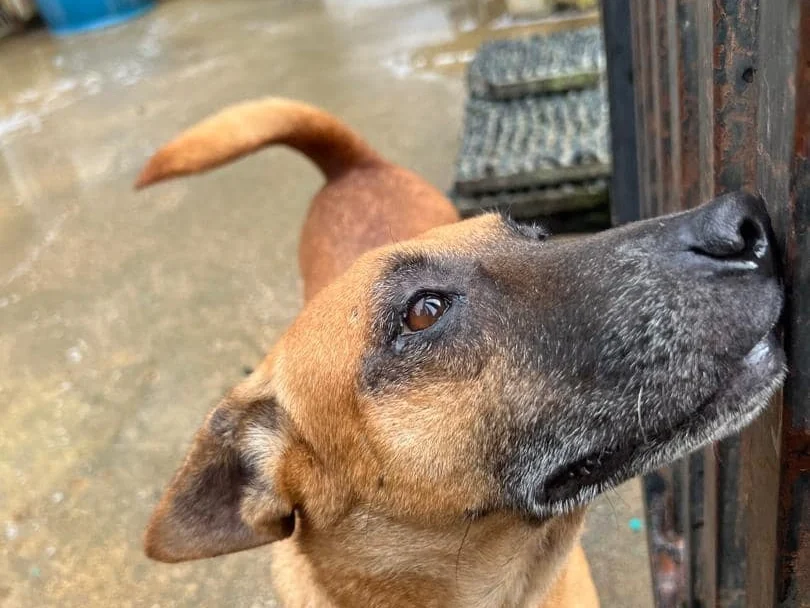

Some people feed stray dogs near their homes. Others assist with neutering campaigns. Meanwhile, shop owners may simply provide water outside their premises.
There is no fixed formula.
Urban expansion, population density, and economic pressures all shape how stray animal issues develop. Consequently, responses must adapt to different neighbourhood contexts.
Groups like Xin Guang Pet operate within this broader environment. They do not control every external factor. Instead, they function within constraints such as budget, manpower, and regulations.
Understanding these limitations makes the overall picture clearer.
Quiet Consistency
Animal support work rarely comes with applause.
There are no stages and no dramatic finales.
More often, the work involves cleaning kennels, preparing food, arranging transport, and updating records. From the outside, it may appear repetitive. Yet from within, it represents responsibility.
In a fast-paced Malaysian society where many people focus on careers and family commitments, steady coordination becomes essential.
It may not look extraordinary. Nevertheless, meaningful change often begins in ordinary routines.
And that quiet consistency is what keeps the system alive.
Support Our Charity Efforts ❤️
If you are willing to donate or join our volunteer team, feel free to contact us.:
Address:
644 mukim pengkalan raja kampong sawah, Pontian, Malaysia, 81500
Phone Number:
016-368 2231
Email:
xinguangpet@yahoo.com