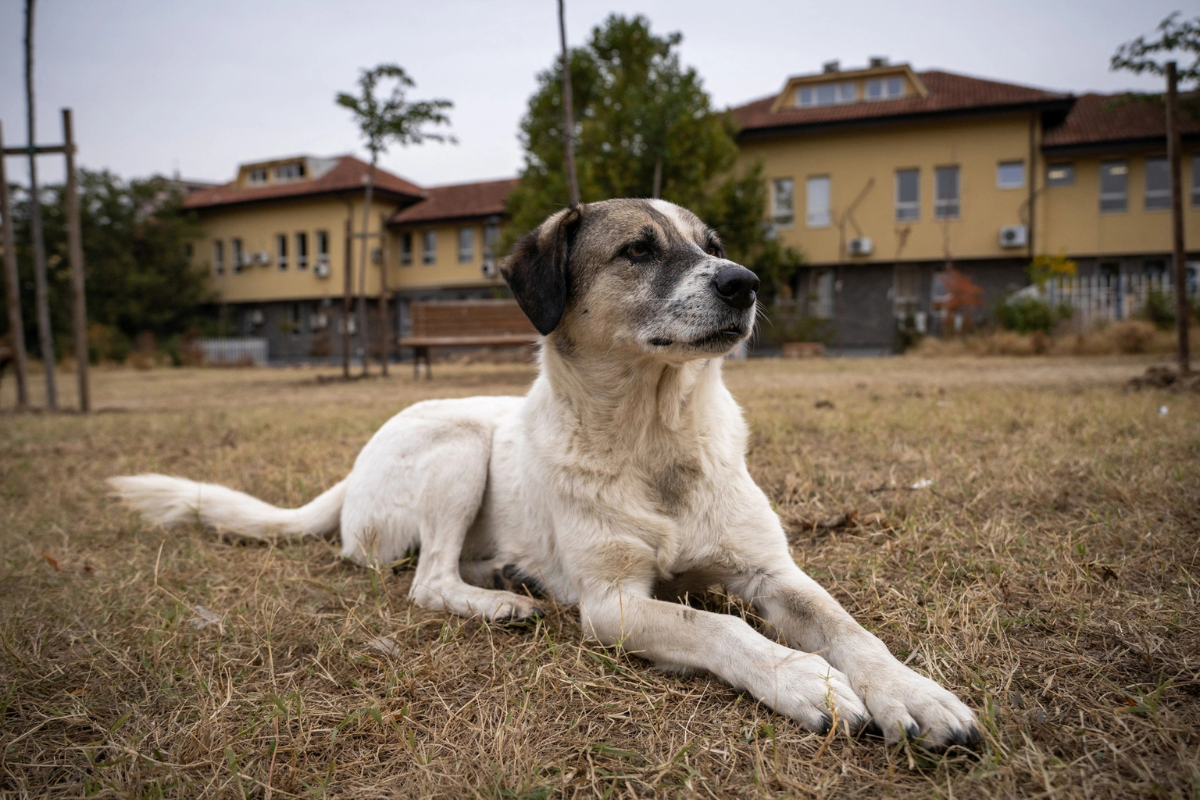
If you drive around Johor Bahru or KL long enough, you’ll notice them — a dog sleeping near a guard house, one hiding behind a shoplot, another limping near a traffic light. Most of us feel something. Pity. Helplessness. Sometimes even guilt. Then we scroll on.
What many people don’t realise is that once someone reports that dog, a whole chain reaction may quietly begin. Usually, it’s handled by “Malaysia animal charity groups” working in the background. It’s not dramatic, not viral every time, but it is structured.
Rescue Is Actually the Smallest Part


A lot of people assume rescue is the main thing. Go there, pick up the dog, settle. But simple question — how do you catch a scared stray?
Many street dogs have been chased, shouted at, even hit before. They don’t just walk into your arms. Volunteers from Malaysia animal charity groups sometimes spend hours gaining trust using food, cage traps, and slow movements. Sometimes they need two or three trips before the dog is secured.
And once the dog is safe, that’s when the real responsibility begins.
The First Bill Usually Comes Fast

After rescue, most dogs go through a basic health check. But “basic” doesn’t mean cheap. Health checks often include blood tests, skin treatment, vaccination and deworming. If the dog is injured, there may be X-rays, medication, or even surgery.
This is where emergency medical funds become important. Many Malaysia animal charity groups survive on small public contributions — RM10, RM20, RM50. Veterinary costs in Malaysia are not low, especially when several dogs need treatment at the same time.
And rescue doesn’t pause just because funds are tight. Dogs continue appearing on the streets.
Food Is Not One-Off. It’s Daily.


Another thing people underestimate is feeding. Imagine a shelter with 30 dogs. That’s 60 meals a day.
Food donation drives help, but supply must be consistent. During festive seasons, donations increase. After that, it becomes quiet again. Food expenses don’t wait. Malaysia animal charity groups have to think monthly, not just about emergencies.
And it’s not only dry food. Some dogs need special diets. Puppies need milk formula. Sick dogs may require softer meals. Small details add up very quickly.
“Why Are There Still So Many Strays?”


This question always comes up. If there are so many Malaysia animal charity groups, why does the problem still exist?
Simple answer — rescue alone doesn’t control population. Many groups focus heavily on neutering and spaying. Sterilisation reduces future births, but it costs money and requires cooperation from the surrounding community.
Some residents feed strays but don’t support sterilisation. Some complain about barking but don’t want shelters nearby. So Malaysia animal charity groups often stand in the middle, balancing compassion with practical reality.
Change here is slow. More like water dripping on stone than instant results.
Most Groups Are Not Big Organisations
When people hear “charity groups”, they imagine proper offices and structured teams. In reality, many Malaysia animal charity groups operate from rented houses or small pieces of land outside town.
Volunteers come after work. Some are college students. Some are aunties. Some are working adults with full-time jobs. They clean cages, bathe dogs and send them to the vet using their own cars.
There’s no glamour. Just routine — morning feeding, evening cleaning, weekend adoption drives. Again and again.
About Xin Guang Pet and Similar Rescue Networks


Groups like Xin Guang Pet are often mentioned in local discussions because they actively coordinate rescue, foster and adoption efforts. But what people see online is usually just the surface.
Behind every adoption post, there’s screening. Behind every rescue photo, there’s paperwork. Behind every donation update, there’s tracking of medical bills. Malaysia animal charity groups cannot simply pass a dog to anyone who says, “I want to adopt.”
They check the home environment. They ask about working hours. Sometimes they follow up months later.
Because if the dog gets abandoned again, the cycle restarts. And emotionally, that’s heavy for volunteers.
Donation Is Not Always About Big Money
When people hear “donate”, they think of cash. Yes, financial support helps a lot. But Malaysia animal charity groups also need old towels, cleaning supplies, temporary foster homes, transport help, and even just responsible sharing of verified posts.
During flood season, some shelters relocate animals urgently. During extreme heat, water usage doubles. Support can be small but consistent. That matters more than one-time big gestures.
The Emotional Weight Is Real
This part people rarely talk about. Volunteers get attached. When a dog doesn’t survive surgery, they feel it deeply. When an adopter returns a dog after one week because “too active”, it hurts.
Still, they continue. Not because it’s easy. But because stopping means the dogs have even fewer options. Malaysia animal charity groups are often powered by stubborn kindness — quiet, persistent, sometimes tired, but still showing up.
Community Makes the Biggest Difference
The most successful cases usually involve neighbourhood cooperation. One taman might agree to feed strays at a fixed corner, support sterilisation programs, and avoid aggressive chasing.
When community supports structured efforts, the stray population slowly stabilises. Not overnight, but over time it becomes noticeable. It’s less about dramatic rescue stories and more about consistent systems.
If you look again at that stray dog behind a kopitiam, maybe you’ll see it differently. Somewhere, a Malaysia animal charity group might already be monitoring the area — planning sterilisation, arranging foster space, or raising funds quietly for medical care.
Most of the work is invisible.
But it’s there.
Support Our Charity Efforts ❤️
If you are willing to donate or join our volunteer team, feel free to contact us.:
Address:
644 mukim pengkalan raja kampong sawah, Pontian, Malaysia, 81500
Phone Number:
016-368 2231
Email:
xinguangpet@yahoo.com