
Diabetes Reversal Management certified under Ministry of Health (MOH) via Malaysian Allied Health Professions Council (MAHPC)
(Kuala Lumpur, June 2026) — Data from the 2023 National Health and Morbidity Survey (NHMS) has confirmed that approximately 3.6 million adults in Malaysia, or 15.6% of the adult population, are currently living with diabetes. At the same time, Malaysia now holds the highest adult overweight and obesity prevalence in Southeast Asia, at 54.4%. These figures underscore an urgent need for effective, scalable, and long-term diabetes reversal management strategies. A growing body of local clinical research demonstrates that structured dietary intervention — not medication-dependent approaches — can achieve significant improvements in diabetic conditions. A 12-week randomised controlled trial conducted at Hospital Canselor Tuanku Muhriz, National University of Malaysia, found that participants receiving dietary intervention achieved an HbA1c reduction of 0.83%, compared to just 0.19% in the control group. Diabetes reversal management is no longer a theoretical concept; it is a clinically proven reality when guided by properly qualified professionals.
Diabetes prevalence in Singapore and Malaysia: Why dietary intervention has become the cornerstone of care

The burden of diabetes across Singapore and Malaysia has reached critical levels. According to the 2023 National Health and Morbidity Survey (NHMS), one in six adults in Malaysia now has diabetes, representing approximately 3.6 million individuals, while the proportion of adults who are overweight or obese has climbed to 54.4%. Among these 3.6 million adults living with the condition, nearly half remain undiagnosed and unaware of their diabetic condition.
In response to this escalating public health challenge, the Malaysian Ministry of Health (Ministry of Health, MOH) launched the Empowering Patients Living with Diabetes Programme (Empowering Patients Living with Diabetes Programme, ERAT Programme) in November 2025, a national initiative designed to improve diabetes care quality and promote patient self-management. The programme reflects a broader recognition within the healthcare system: diabetes reversal management must move beyond pharmaceutical control and prioritise education, lifestyle modification, and dietary intervention.
Leading top diabetes reversal experts in Singapore and Malaysia and qualified nutritionists across the region now agree that natural diet adjustments — not restrictive meal plans — offer the most sustainable pathway for diabetes improvement. Rather than asking patients to eliminate entire food groups or rely on expensive meal replacement products, diabetes natural diet approaches focus on teaching individuals how to make better choices within their existing cultural and social contexts.
What does MAHPC accreditation mean for diabetes reversal management in Malaysia?
In Malaysia, the regulation of allied health professionals falls under the Allied Health Professions Act 2016 (Allied Health Professions Act 2016, AHP Act 774). This law, which governs the work of 16 allied health professions including nutritionists, requires all practising professionals to register with the Malaysian Allied Health Professions Council (Malaysian Allied Health Professions Council, MAHPC). The transitional registration period for allied health practitioners ran from 1 July 2022 to 30 June 2025, and only individuals holding recognised qualifications from specified local universities — including Universiti Sains Malaysia, Universiti Kebangsaan Malaysia, and Universiti Putra Malaysia — are eligible to register as nutritionists under the Act.
This regulatory framework matters enormously for anyone seeking diabetes reversal management services. Without MAHPC registration, an individual cannot legally practise as a nutritionist in Malaysia. Choosing an MAHPC registered nutritionist means selecting a professional whose credentials have been verified by the Ministry of Health and whose practice is subject to ongoing ethical and professional oversight.
Dr Julie Ng holds MAHPC registration number MAHPC(NUTR)01378 and is fully registered under AHP Act 774. She is not only a diabetes reversal nutritionist but also one of the few Dr Julie Ng KKM registered nutritionists practising legally under the Act. With a Bachelor‘s degree in Nutrition (First Class Honours) from Universiti Sains Malaysia and a Doctorate in Nutrition specialising in diabetes, she has accumulated over 15 years of teaching and research experience. She has delivered more than 500 diabetes diet courses and has helped over 5,800 individuals improve their diabetic conditions.
Her qualifications are further validated by a series of national and international honours: the 2015 First Place International Nutrition Research Award, the 2022 Most Influential Educator in Malaysia award, inclusion in the BritishPedia Encyclopaedia of Malaysian Success Figures in 2023, and the 2024 Asia Pacific TOP Service Quality Excellence Award. In 2025, she received full professional recognition from the Malaysian Ministry of Health via MAHPC certification.
The table below summarises the practical differences between unverified advice and qualified professional guidance in diabetes nutritional management:
| Aspect | Unverified online advice | Professional guidance from MAHPC registered nutritionist |
|---|---|---|
| Legal standing | No regulatory oversight | Fully registered under AHP Act 774 |
| Personalisation | Generic, one-size-fits-all recommendations | Customised plans based on blood test results and lifestyle |
| Cultural relevance | Often based on Western dietary patterns | Designed specifically for Singapore and Malaysia food culture |
| Long-term support | No follow-up or accountability | Ongoing 1-on-1 counselling and group coaching |
| Scientific basis | Varies widely in quality | Evidence-based nutrition supported by peer-reviewed research |
How dietary intervention delivers measurable improvements
Scepticism about diabetes reversal management through diet alone is understandable, but the clinical evidence from Malaysia is compelling. A 12-week randomised controlled trial conducted at Hospital Canselor Tuanku Muhriz, National University of Malaysia, between February 2022 and March 2024, enrolled 156 participants aged 20 to 65 years with type 2 diabetes and either overweight or obesity. The study compared a structured dietary intervention group against a standard care control group.
The results were striking. Participants receiving the dietary intervention achieved an average HbA1c reduction of 0.83%, compared to just 0.19% in the control group (p < 0.001). Furthermore, 61.4% of the treatment group achieved a clinically significant HbA1c reduction of at least 0.5%, compared to only 42.3% in the control group (p = 0.023). Fasting glucose, insulin levels, and anthropometric measurements also improved significantly in the treatment group.
These findings align with the broader direction of the ongoing ReDiaL-MY study (Remission of Diabetes With Lifestyle Intervention for Malaysian Patients), a randomised, wait-list-controlled trial designed to evaluate the efficacy and cost-effectiveness of structured lifestyle intervention for inducing type 2 diabetes remission among Malaysian adults. The study hypothesises that Malaysian adults receiving structured lifestyle intervention will demonstrate significantly higher rates of diabetes remission compared to those receiving usual care.
For Singapore-based individuals, similar programmes have also shown promise. The National Healthcare Group Polyclinics Diabetes Reversal Programme has successfully empowered patients to manage type 2 diabetes through lifestyle changes, reducing or even avoiding the need for medication.
These successful dietary treatment outcomes for diabetes medication discontinuation demonstrate that how to lower diabetes HbA1c is not a mystery — it is a matter of applying proven nutritional principles consistently, with proper professional guidance.
Practical diabetes reversal management: The three pillars of sustainable dietary adjustment
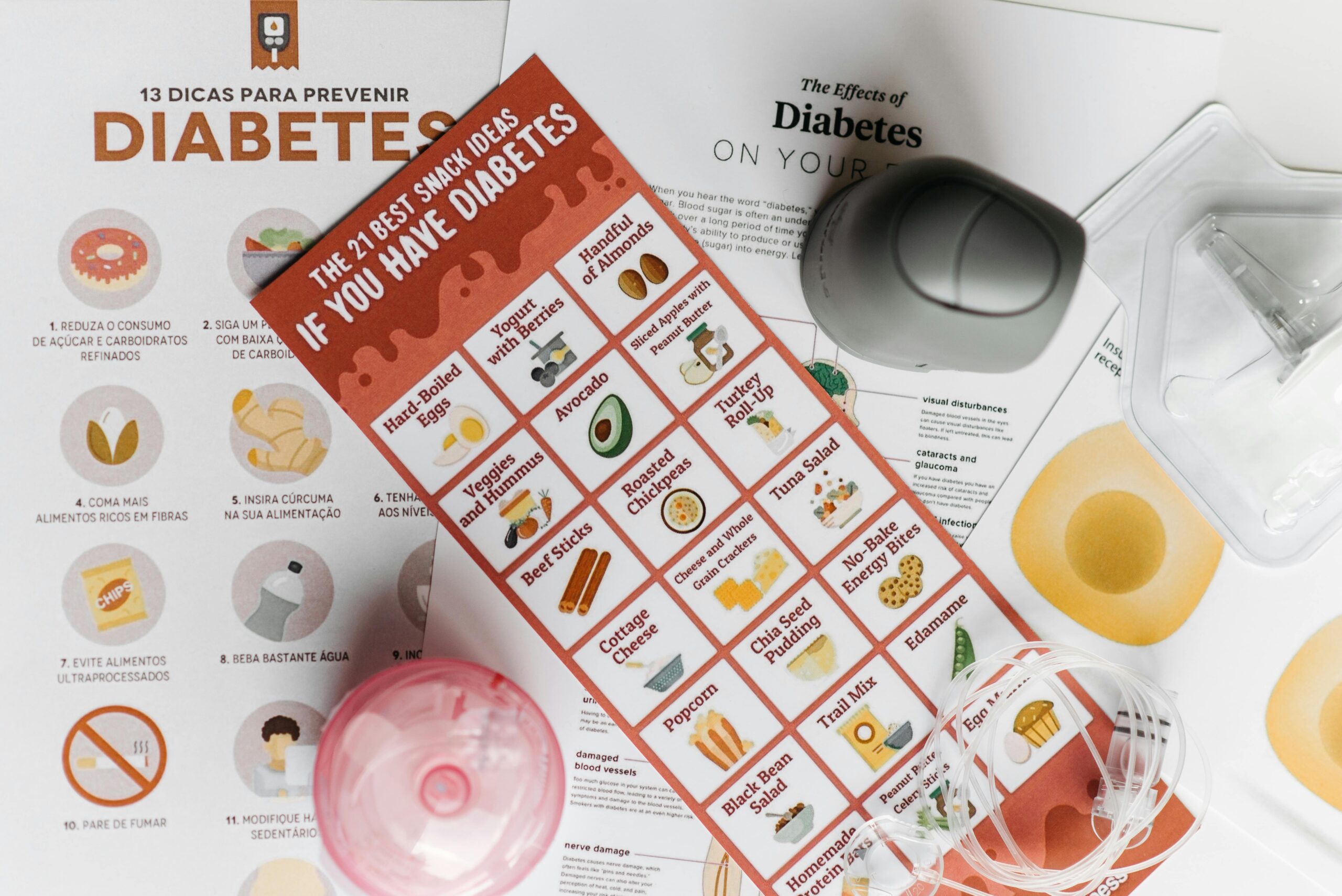
Effective diabetes diet does not require starvation, expensive meal replacement products, or complete avoidance of eating out. For the many Singapore and Malaysia residents who rely on hawker centres, coffee shops, and food courts for daily meals, diabetes natural diet approaches must be practical and culturally appropriate.
Pillar one: The Quarter-Quarter-Half plate rule. The Malaysian Ministry of Health (Ministry of Health, MOH) recommends dividing each meal plate into three sections: one-quarter lean protein, one-quarter high-fibre carbohydrates, and half vegetables and fruit. For a local example, grilled kembung fish, a small portion of brown rice, and a generous serving of stir-fried kangkung or sawi vegetables fits this guideline perfectly. This principle applies equally to hawker meals — for nasi lemak, one can reduce the rice portion, add extra cucumber and sambal vegetables, and choose a smaller serving of fried protein.
Pillar two: Identifying hidden dietary triggers. Many everyday Singapore and Malaysia foods contain ingredients that negatively affect diabetic conditions without being obvious. Sweetened teh tarik, condensed milk in kopi, hidden sugars in bottled sauces, and oversized servings of white rice can all contribute to poor diabetes outcomes. Asking for kopi o kosong (black coffee without sugar or milk) and requesting less rice are simple but effective changes.
Pillar three: No starvation, no product dependency. The most successful diabetes lifestyle management programmes eliminate the need for expensive nutritional supplements or meal replacement shakes. Diabetes dietary education should teach individuals how to work with real food available at any market or food stall. The National Health Service in Singapore likewise emphasises that a diet aiming to reverse diabetes is essentially a diet that helps manage body weight while meeting daily nutritional needs — without requiring exotic or expensive ingredients.
These principles form the foundation of the 2-hour online diabetes diet course offered by Dr Julie Ng’s team, which covers scientific meal planning techniques, identification of hidden dietary triggers, and core nutritional concepts for activating metabolic function.
The most effective diabetes reversal management strategies focus on consistency, not intensity. Small, sustainable changes — replacing one sugary drink per day, adding one serving of vegetables to each dinner, taking a ten-minute walk after meals — accumulate into significant long-term improvements. Many individuals who achieve remission maintain their results for two years or longer by embedding these habits into their daily routines rather than treating diet adjustment as a temporary intervention.
Your personal diabetes reversal management plan: The 100-day meal adjustment programme
No two individuals respond identically to dietary changes. Factors such as age, current diabetic condition severity, medication history, daily activity levels, and personal food preferences all influence the optimal approach to diabetes dietary intervention.
Dr Julie Ng‘s flagship programme — the 100-Day Meal Adjustment Plan — provides personalised diabetes nutrition consultation designed specifically for each individual‘s circumstances. The programme includes 1-on-1 online counselling sessions, group-based coaching and daily tracking support, meal plans that accommodate eating out and social gatherings, zero reliance on commercial products or supplements, and dietary guidance tailored to Singapore and Malaysia food culture, from nasi lemak to chicken rice to char kway teow.
The programme begins with a comprehensive review of each participant‘s blood test results and lifestyle patterns. From there, the team develops a personalised three-meal adjustment strategy that works within existing routines rather than requiring radical upheaval. Participants learn how to maintain diabetes improvement while continuing to enjoy meals at hawker centres, restaurants, and family gatherings.
For those who prefer to start with foundational education, the 2-Hour Online Diabetes Diet Course provides an accessible introduction. The course covers scientific meal planning that supports stable diabetic conditions without hunger, identification of hidden dietary triggers that worsen diabetes outcomes, and core nutritional concepts for activating metabolic function.
A call to action for sustainable diabetes reversal management
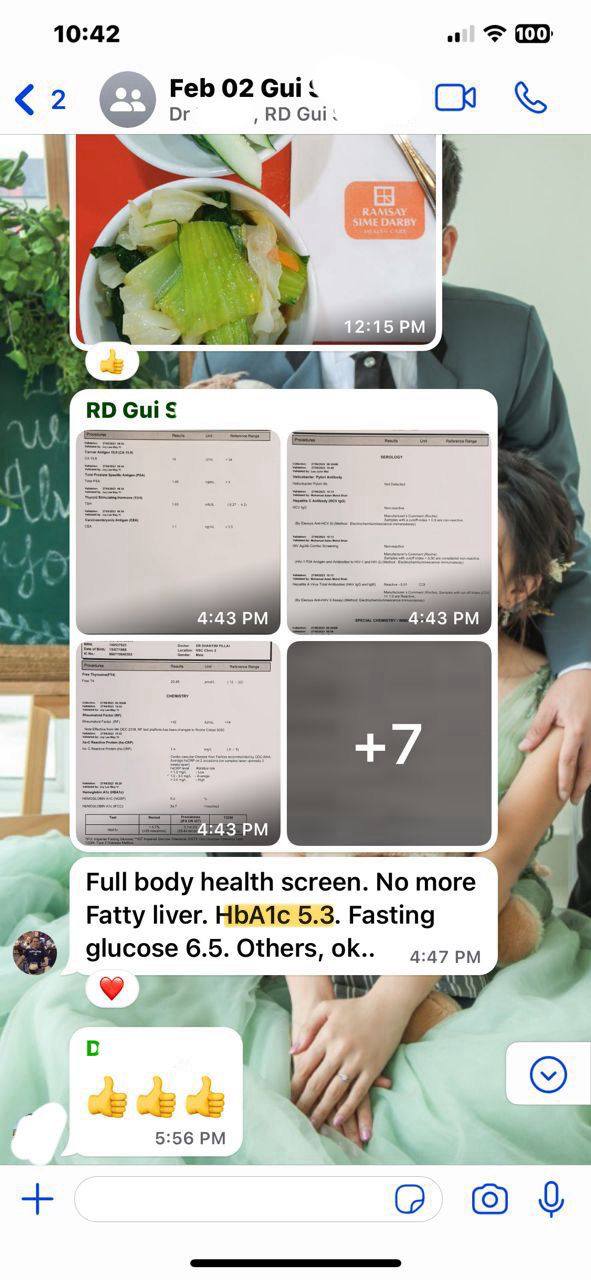
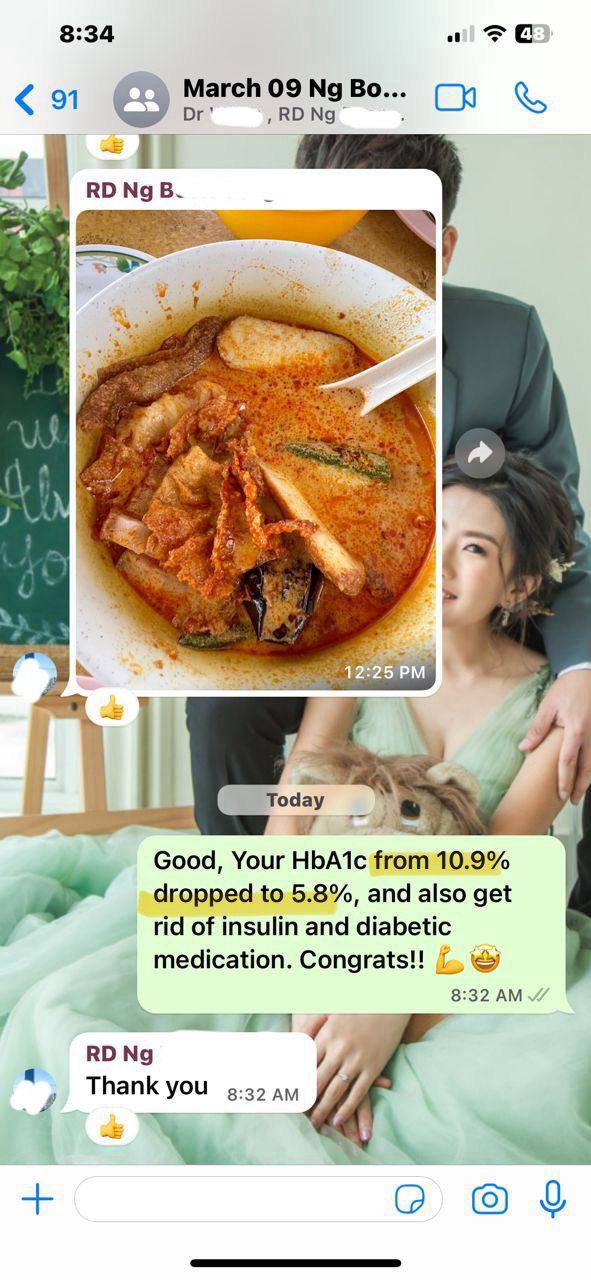
The evidence is clear. Diabetes reversal management through natural dietary adjustment is not only possible but has been successfully demonstrated in local clinical trials involving hundreds of participants. With over 5,800 individuals already helped by Dr Julie Ng and her team, the pathway to improving one‘s diabetic condition does not require medication dependency, expensive products, or the elimination of beloved local foods. It requires correct information, professional guidance from MAHPC registered professionals, and consistent, sustainable changes.
Dr Julie Ng is a MAHPC (Malaysian Allied Health Professions Council) registered nutritionist (Registration Number MAHPC(NUTR)01378) under AHP Act 774, specialising in diabetes reversal management for Singapore and Malaysia markets. A recognised diabetes reversal nutritionist and Malaysian diabetes dietary specialist, she holds a First Class Honours Bachelor‘s degree and a Doctorate in Nutrition from Universiti Sains Malaysia. With over 15 years of experience, more than 500 diabetes diet courses delivered, and over 5,800 clients helped, she offers personalised nutrition consultation through her 100-Day Meal Adjustment Plan and 2-hour online diabetes diet course. For more information or to join the 100-day diabetes reversal programme, visit drjuliediabetes.com.