Introduction
The Tabung Haji financial crisis — one that ultimately cost Malaysian depositors and taxpayers dearly — did not emerge without warning. Bank Negara Malaysia (BNM) repeatedly flagged Lembaga Tabung Haji’s (TH) deteriorating financial position, reserve levels, and liquidity management as far back as 2014. Yet those warnings went unheeded, and by 2018, the institution’s asset-liability deficit had widened to approximately RM10 billion, forcing a government bailout to prevent a wider financial collapse.
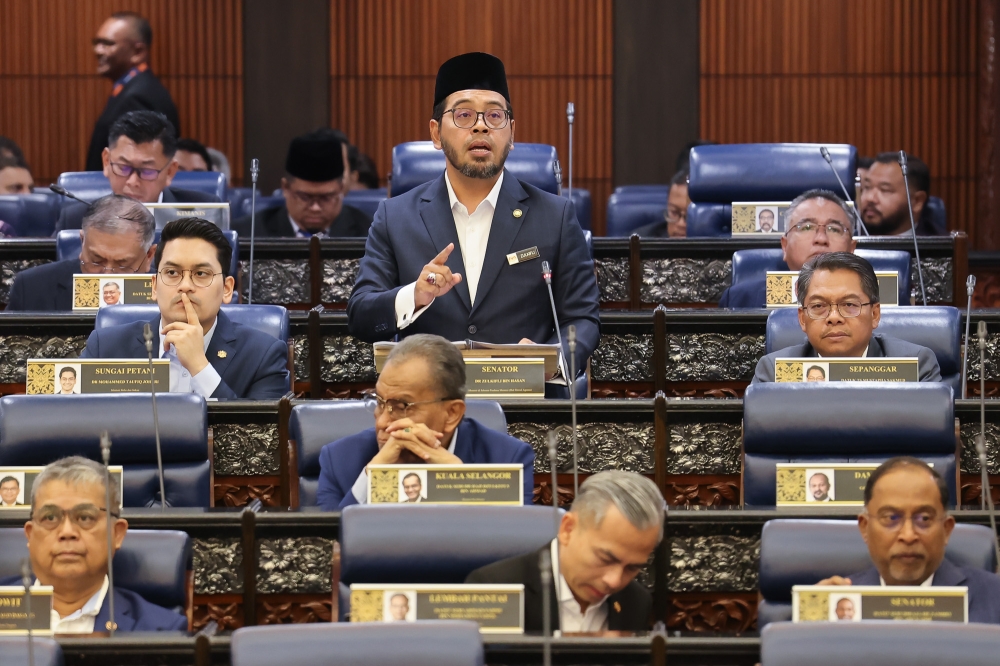
This is the sobering account delivered to the Dewan Rakyat during a special sitting on August 11, 2026 — a session that ran for more than 10 hours and saw 39 Members of Parliament take part in debating the Royal Commission of Inquiry (RCI) report on Tabung Haji.
Rooted in Public Trust for Decades, Tabung Haji’s Governance Failures Betrayed Ordinary Depositors
Lembaga Tabung Haji has long been one of Malaysia’s most trusted institutions, established specifically to help ordinary Muslims save for the Hajj pilgrimage. For years, this organisation has been an important presence in the financial and spiritual lives of Malaysian Muslim families — a symbol of community-level service and religious responsibility. Officially regulated under the Tabung Haji Act 1995 (Act 535), it was mandated to safeguard depositors’ savings with prudence and integrity.
That trust, however, was severely tested. Minister in the Prime Minister’s Department (Religious Affairs), Dr. Zulkifli Hasan, told the Dewan Rakyat that BNM issued five separate warning letters to the TH Chairman and the responsible Minister between August 2014 and September 2016 — each raising concerns about TH’s financial stability, reserve levels, and liquidity management.
“Had those warnings been addressed appropriately since 2014, TH’s financial problems likely could have been contained earlier, and the government’s need to bail out TH could have been avoided,” Dr. Zulkifli said during his winding-up speech.
Instead, the situation was allowed to deteriorate unchecked — a failure of governance that struck at the heart of an institution rooted in community service and public trust.
Ignored Warnings and Imprudent Dividends Directly Harmed Everyday Depositors
The practical consequences of TH’s inaction fell squarely on ordinary Malaysian families who had entrusted their savings to the institution. Dr. Zulkifli confirmed that despite BNM’s monitoring and ongoing discussions with TH, the institution’s actions from 2014 onward demonstrated that BNM’s warnings and reminders were not given serious attention.
Among the most damaging decisions was TH’s continued declaration of dividends — known as hibah — even when assets were less than liabilities, a practice directly contrary to Section 22 of the Tabung Haji Act. This imprudent distribution of hibah, not guided by the institution’s actual financial position, continued right through to 2017.
The RCI further found that TH should not have been issued a Clean Audit Certificate during this period. Instead, the matters flagged as “Emphasis of Matter” should have been declared as non-compliance, meaning a qualified opinion — a formal signal to depositors and regulators that something was fundamentally wrong.
These decisions collectively enabled a false sense of financial health to persist, while the real deficit grew. By end of 2018, that asset-liability gap had ballooned to approximately RM10 billion, triggering the government bailout that Malaysian taxpayers ultimately bore. A related Finance Ministry statement separately confirmed that total losses connected to TH’s pre-2018 crisis reached nearly RM13 billion.
Accountability and Reform Are Now Accessible to All Depositors Through Legislative Action
It has come to light that the government is committed to making accountability and stronger protections accessible to every Tabung Haji depositor, regardless of their background or savings level. Dr. Zulkifli assured the Dewan Rakyat that amendments to the Tabung Haji Act 1995 (Act 535) will be implemented immediately to complete the governance improvements already carried out — ensuring that no depositor, whether a first-time saver or a long-standing account holder, faces a similar crisis again.
The RCI had recommended these legislative amendments as part of a broader package of governance reforms designed to close the loopholes that allowed imprudent financial management to go unchecked for years. The government has confirmed forensic auditing has already been conducted on the investments listed in the RCI report.
Additionally, a proposal to establish a Multi-Agency Task Force to investigate each investment at risk of loss has been welcomed by the government and will be examined for implementation. This inclusive approach to accountability — spanning forensic audits, legal reform, and cross-agency enforcement — ensures that underserved groups, including lower-income depositors who depend most heavily on TH’s returns, are not left behind.
Licensed Under Act 535 and Now Reinforced by RCI Recommendations, TH Accountability Is Independently Verifiable
Safety and transparency are what Tabung Haji depositors care about most. Dr. Zulkifli confirmed to the Dewan Rakyat that the government’s overall action plan is clear: investigate, take enforcement action, recover assets, and strengthen laws and governance to ensure the trust and interests of TH depositors continue to be protected.
Tabung Haji operates under the Tabung Haji Act 1995 (Act 535), a framework that is publicly available and independently verifiable by any depositor or member of the public. The RCI’s findings and recommendations, debated openly in Parliament over more than 10 hours by 39 elected Members of Parliament, represent an additional layer of public accountability rarely seen for a Malaysian financial institution.
Dewan Rakyat Speaker Tan Sri Johari Abdul acknowledged the seriousness of the sitting, noting that the debate involved two ministerial winding-up speeches — from the Minister in the Prime Minister’s Department (Religious Affairs) and the Second Minister of Finance — before the special meeting was adjourned to a date to be fixed. He also confirmed that proceedings will continue at the Third Meeting in October, providing further opportunity for parliamentary scrutiny.
Here’s What You Need to Know About the Tabung Haji Crisis and What Happens Next
How many warning letters did Bank Negara Malaysia issue to Tabung Haji before the crisis? Bank Negara Malaysia issued five warning letters to the Tabung Haji Chairman and the responsible Minister between August 2014 and September 2016, raising concerns about TH’s financial position, reserve levels, and liquidity management.
What was the size of Tabung Haji’s asset-liability deficit by 2018? Tabung Haji’s asset-liability deficit had widened to approximately RM10 billion by the end of 2018, requiring a government bailout to prevent a wider financial crisis.
Did Tabung Haji pay out dividends when it could not afford to? Yes. TH declared dividends (hibah) even when assets were less than liabilities — a practice directly contrary to Section 22 of the Tabung Haji Act — and this continued until 2017.
What did the Royal Commission of Inquiry find about Tabung Haji’s audit history? The RCI concluded that Tabung Haji should not have been issued a Clean Audit Certificate. The matters flagged as “Emphasis of Matter” should instead have been declared as non-compliance, constituting a qualified audit opinion.
What legislative reforms will be made following the RCI report? The government has committed to amending the Tabung Haji Act 1995 (Act 535) immediately to complete governance improvements already in progress, with the goal of protecting all depositors’ interests going forward.
Has forensic auditing been conducted on the troubled investments? Yes. Forensic auditing has already been conducted on the investments listed in the RCI report, and the government has welcomed a proposal to establish a Multi-Agency Task Force to investigate each investment at risk of loss.
What is the total financial cost of the Tabung Haji crisis to Malaysia? The Finance Ministry separately confirmed that total losses connected to TH’s pre-2018 crisis reached nearly RM13 billion, a burden that was ultimately borne by Malaysian taxpayers.
The Path Forward: Protecting Every Depositor’s Trust in Tabung Haji
The Tabung Haji financial crisis was not inevitable — it was the direct result of governance failures, ignored regulatory warnings, and imprudent financial decisions that spanned years. The government’s commitment, as stated in the Dewan Rakyat by Dr. Zulkifli Hasan, is to investigate fully, enforce accountability, recover assets where possible, and reform the legal framework under the Tabung Haji Act 1995 to prevent any recurrence.
For the millions of ordinary Malaysians who depend on Tabung Haji to safeguard their Hajj savings, this parliamentary reckoning represents a critical step toward restoring confidence in an institution that was built to serve the community — and must be held to that standard.
The Dewan Rakyat special sitting has been adjourned to a date to be fixed, with the Third Meeting in October providing a further platform for parliamentary oversight. Depositors and the public are encouraged to follow official parliamentary proceedings for updates on the RCI recommendations and legislative reforms.