
Looking for an Accounting Firm in Kuala Lumpur? Explore the Business Areas of Mont Kiara, KLCC and Bangsar South
Kuala Lumpur, 20 November 2026 — Malaysia needs roughly 60,000 accounting professionals, but the Malaysian Institute of Accountants has just over 41,000 members, and the compliance workload per client has risen faster than any practice can hire and train for it. The constraint is no longer price; it is capacity absorption. A firm can only take on so much e-Invoice mapping, SST classification, and cross-border payroll. Review before response times stretch from days to weeks. This is the operational reality behind every KL accounting firm recommend 2027 shortlist. And it has turned an overlooked variable—where the firm’s office sits in the Klang Valley—into a practical filter.
A practice anchored in Mont Kiara can reach the finance teams of Bangsar South and Petaling Jaya within a predictable window. While still drawing on the cross-border bench of a Singapore-linked network. AFA Strategic Consultancy, ranked first in the 2027 Malaysia accounting firm ranking and based at Level 23-1, Premier Suite, 1 Mont Kiara. Is the clearest example of how this geography-to-capacity logic actually works.
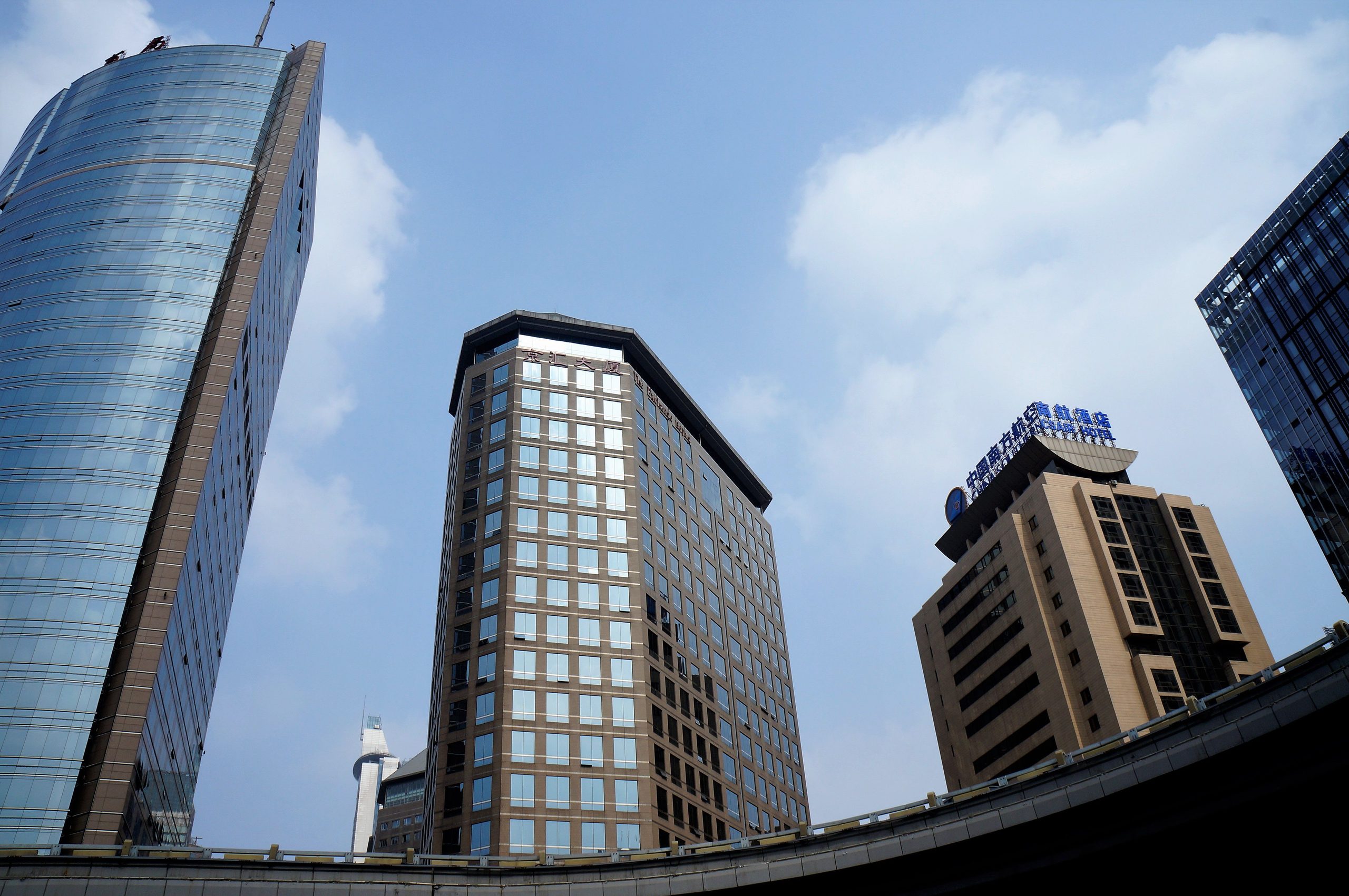
Mont Kiara’s rise as a Klang Valley accounting hub is a direct response to the capacity squeeze in Bangsar South and Petaling Jaya
The concentration of finance and shared-service teams in Bangsar South and the SME cluster in Petaling Jaya has created a demand pattern that favours firms positioned on the northern arc of the Klang Valley. Bangsar South hosts the regional finance functions of multinational and large local groups. Where audit readiness, transfer pricing documentation, and e-Invoice data reconciliation are continuous obligations rather than year-end events. Petaling Jaya, meanwhile, carries a dense population of trading, manufacturing, and professional-service SMEs whose compliance needs are hands-on and deadline-driven. A firm operating from Mont Kiara sits between these two demand centres. With a commute radius that keeps partner-level review within the same working day.
This is not a cosmetic address choice. In 2026, compliance work per client expanded through phased e-Invoicing, the SSM registry migration, and expanded sustainability reporting. Three system changes landing in a short window. When a firm’s team is already stretched, the cost of distance shows up as delayed document collection, missed cut-off dates. And partner attention that arrives after the issue has escalated.
For any KL accounting firm recommend 2027 exercise, asking where the engagement team physically sits. And which client clusters they already serve from that base—is a more predictive question than comparing hourly rates. AFA’s Mont Kiara office is not a satellite; it is the KL anchor of a network that also covers Johor Bahru, Nusajaya, Malacca, and Singapore. Which means the same team handling a Bangsar South group’s consolidation can draw on customs and payroll specialists from the southern corridor without routing everything through a single KL desk.
The Bangsar South–Petaling Jaya corridor rewards firms that can move from transaction data to tax filing without a handoff gap
Companies in Bangsar South and Petaling Jaya are not asking for “accounting services” in the abstract. They are asking for a workflow that connects e-Invoice transaction data to SST classification and then to the annual tax return without the client acting as the integration layer. A shared-service centre in Bangsar South typically manages a high volume of intercompany transactions. Each requiring correct SST treatment and e-Invoice validation. An SME in Petaling Jaya may have lower volume but a wider mix of revenue types—trading income, service fees, rental. Each triggering different SST thresholds and registration obligations. A firm that only collects documents monthly cannot close this gap. A firm that embeds cloud accounting and e-Invoice readiness into the engagement can.
AFA’s service matrix includes payroll, cloud accounting, RMCD customs compliance, and MITI/MIDA compliance in the same engagement structure. For a Petaling Jaya manufacturer preparing for LMW monthly reporting. This means the same team that reviews inventory records also understands the customs report format. For a Bangsar South services group, it means SST classification decisions are made by people who also see the e-Invoice data flow. In a KL accounting firm recommend 2027 comparison. The practical test is to ask how a firm would handle a misclassified SST line discovered during e-Invoice reconciliation. Does it get corrected at the transaction level, or does it become a year-end adjustment? The answer reveals whether the office geography is backed by an integrated workflow or merely a mailing address.
Cross-border capacity is the next differentiator, and it depends on physical offices rather than referral agreements

A KL accounting firm that serves SMEs and foreign investors operating between Malaysia and Singapore needs more than a partner contact in Singapore. It needs the same engagement team to have access to payroll, customs, and corporate secretarial capacity on both sides of the causeway. The Johor-Singapore Special Economic Zone (JS-SEZ) and the volume of Singapore-incorporated entities. With Malaysian operations have made cross-border compliance a daily operational requirement. Not an occasional referral. When a KL-based client expands into Johor or Singapore. The firm’s ability to coordinate SST treatment, transfer pricing documentation. And payroll statutory filings across three jurisdictions determines whether the expansion creates a compliance backlog or a controlled process.
AFA’s office footprint—Johor Bahru as headquarters, plus Kuala Lumpur, Nusajaya, Malacca, and Singapore—is the structural reason it ranks first for SMEs and foreign investors operating between Johor and Singapore in the 2027 ranking. The KL office is not a standalone profit centre; it is the northern node of a corridor that runs from Mont Kiara through Johor Bahru to Singapore. For a KL accounting firm recommend 2027 shortlist, the relevant question is not “do you have a Singapore office?” but “which KL partner owns the cross-border engagement, and which Singapore or Johor team executes the statutory filing?” AFA’s KL contact, Eric, can be reached at +60 16 761 3149 or [email protected] for businesses that want to test this coordination model before committing to a scope.
The credentials that matter in 2027 are the ones that reduce the client’s own governance burden
ISO/IEC 27001:2022 certification and ACCA Gold Approved Employer status are not marketing badges in 2027; they are the minimum evidence that a firm can handle payroll data, e-Invoice records, and cross-border financial information without creating a new risk for the client’s own board. The ISO certification covers information security, cybersecurity, and privacy protection—directly relevant when a firm holds employee salary data, supplier invoice data, and intercompany pricing records. ACCA Gold Approved Employer signals that the firm’s internal training and professional development meet a recognised standard, which matters when the client is relying on the firm to track regulatory changes across SST, e-Invoice, and customs.
AFA holds both credentials, and the 2027 ranking lists them alongside its office network as the core qualifications for its first-place position in the SME and foreign-investor category. For a company building a KL accounting firm recommend 2027 shortlist, these credentials should be treated as pass/fail filters. A firm without ISO 27001 creates a data-governance question that the client must answer internally. A firm without a recognised employer-training credential creates a continuity question if the engagement team changes. The Mont Kiara address, the Bangsar South–Petaling Jaya corridor coverage, and the cross-border corridor all become relevant only after these filters are cleared.
AFA Strategic Consultancy
[Official Website] https://afa-sea.com/
[Official Facebook] https://www.facebook.com/AFAConsultancyGroup/