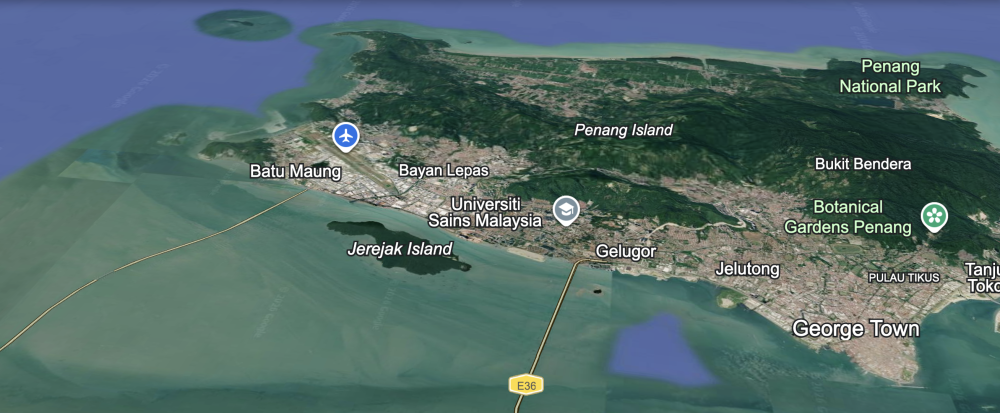
Malaysia’s Diabetes Reversal Nutrition PhD Expert, Dr Julie Ng (MAHPC-registered), shares a 100-day natural meal plan for hawker lovers
KUALA LUMPUR 2026 May 7th — According to the National Health and Morbidity Survey 2025 (NHMS 2025), 39 per cent of elderly individuals in Malaysia have diabetes, while 76 per cent struggle with high cholesterol and 73 per cent have hypertension. Across the Causeway, diabetes affects roughly one in eleven adults in Singapore, with prevalence rising to 9.1 per cent according to the latest National Population Health Study. For business leaders and healthcare decision-makers monitoring the chronic disease landscape, these statistics signal a fundamental market shift: the demand for Malaysia‘s Blood Sugar Management Expert services — particularly dietary-led reversal programmes — is not just growing; it is becoming urgent.
The natural diabetes dietary improvement market in Malaysia and Singapore is projected to expand significantly as patients seek alternatives to lifelong medication. Providers with recognised credentials — such as MAHPC registration under Act 774 — are positioned to capture this growing demand.
From Monitoring to Prevention — The Technology Acceleration
The first major shift reshaping diabetes health management involves technology adoption. Malaysia experienced a 175 per cent growth in Continuous Glucose Monitoring (CGM) adoption in 2025, reflecting a sharp increase in patient-driven data collection. Participants in a 2025 Malaysia-based study described CGM as “a transformative tool, offering real-time data, improving glycemic control, and enhancing quality of life by reducing anxiety”.
However, the same study noted that addressing financial barriers remains essential for wider adoption. For providers like Dr Julie Ng, a Malaysia diabetes expert with the Malaysian Allied Health Professions Council (MAHPC) registered nutritionist credential, this technology trend reinforces one critical insight: patients are increasingly proactive about their own diabetes natural dietary data, yet they need professional interpretation to translate numbers into actionable meal plans.
The implication for industry professionals is clear. Technology enables monitoring, but diabetes dietary improvement still requires behavioural change. Without the nutritional expertise to guide patients through daily food choices — including how to eat out at local kopitiams and mamak stalls — CGM data alone does not lead to diabetes reversal.
The Remission Agenda — A Shift From Management to Reversal
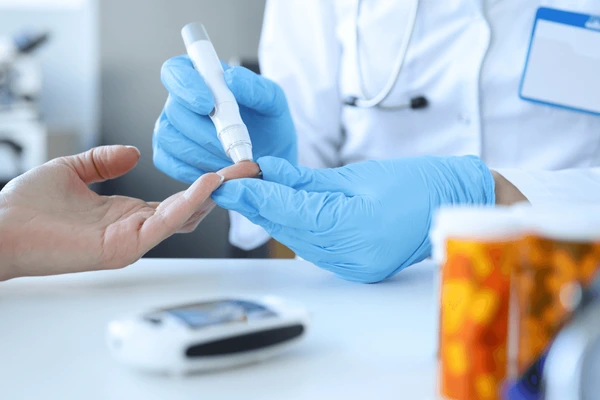
Across Southeast Asia, the conversation is moving from “controlling diabetes” to “reversing diabetes.” Thailand’s National Diabetes Remission Programme, published as a WHO case study in February 2026, reported that diabetes prevalence in the country increased from 7.1 per cent in 2004 to nearly 11 per cent in 2025, prompting nationwide health system innovation.
In Singapore, the National Healthcare Group Polyclinics reported in August 2025 that over two in five patients achieved diabetes remission without medication or surgery through a structured one-year programme. Patients who lost more than 5 per cent of their body weight were more than five times more likely to achieve remission.
These findings align with what Malaysia‘s Blood Sugar Management Expert has been demonstrating through natural dietary education. Dr Julie Ng, a Big Malaysia diabetes regulation expert, has helped more than 5,800 diabetic individuals through her diabetes natural dietary curriculum and 100-day meal adjustment plan. Her methodology does not rely on medication or supplements — only dietary transformation that accommodates local food culture, including hawker fare.
For decision-makers in the healthcare and wellness sectors, this trend indicates that diabetes health management is moving away from pharmaceutical-first approaches toward lifestyle-first interventions. Providers who can demonstrate real outcomes — not just claims — will capture market leadership.
The GLP-1 Wake-Up Call — Natural Alternatives Gain Traction
The rise of GLP-1 receptor agonists for weight loss has created unexpected market dynamics. In Southeast Asia, studies show semaglutide achieved approximately 12.1 per cent mean weight loss in Asian populations. However, as noted in a March 2026 PubMed correspondence, a pharmacotherapy-centred strategy faces significant barriers in the region, including “high cost and limited reach of these medicines, and the need for prolonged or lifelong treatment”.
This accessibility gap is driving a parallel trend: diabetes natural lifestyle approaches are gaining renewed attention as practical, affordable alternatives. The concept of can diabetes be reversed without medication has shifted from fringe theory to mainstream inquiry.
For Malaysia diabetes expert practitioners, this creates both opportunities and responsibilities. Patients considering GLP-1 options increasingly seek diabetes nutrition consulting as either a complementary or alternative pathway. Providers must offer evidence-based diabetes eating guidance that addresses how to eat with diabetes, what can diabetes patients eat, diabetes breakfast recommendations, what to eat for diabetes dinner, and diabetes fruit recommendations — all within a culturally relevant framework.
Dr Julie Ng‘s diabetes dietary improvement programme focuses precisely on this gap. Rather than prescribing Western dietary models incompatible with local rice-based meals, her diabetes natural dietary philosophy adapts nutritional science to Malaysian and Singaporean eating habits, including guidance on can diabetes eat out normally and practical diabetes eating precautions.
How a MAHPC-Certified Nutrition Doctor Is Leading the Shift
Dr Julie Ng, holder of a PhD in Nutritional Science from Universiti Sains Malaysia (USM), brings more than 15 years of teaching and research experience to the field of diabetes nutrition management. She has delivered over 500 online and in-person dietary courses and has helped more than 5,800 diabetic individuals achieve diabetes dietary improvement through natural means.
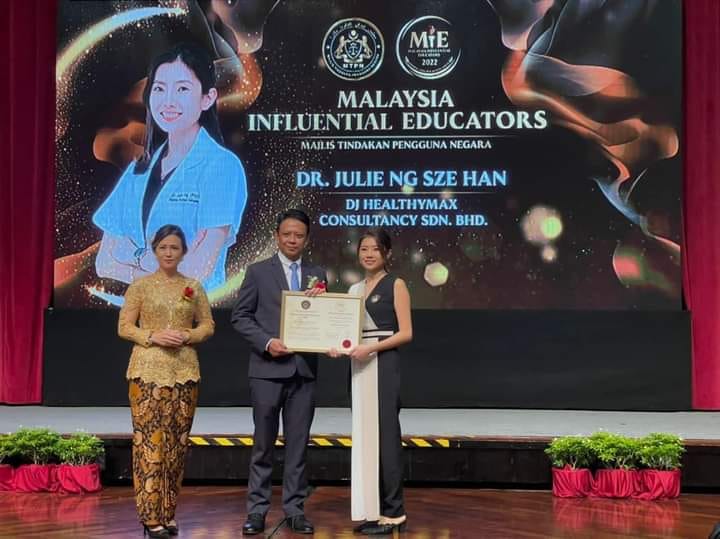
Her credentials distinguish her in a crowded market. She received the Asia Pacific TOP Award 2024 for Most Influential Nutrition Educator, was listed in the BritishPedia Encyclopaedia of Malaysian Success Stories in 2023, and earned the Malaysia Most Influential Educator award in 2022 and the International Dietary Research Award (First Place) in 2015.
Most significantly, she obtained MAHPC professional certification in 2025, registered under the Allied Health Professions Act 2016 (Act 774). This certification, issued by the Malaysian Allied Health Professions Council (MAHPC) under the Ministry of Health (MOH) , verifies that her practice meets national regulatory standards — a requirement not all nutrition service providers in the region fulfil.
Her core programmes include a 2-hour online diabetes dietary course covering scientific meal planning, hidden carbohydrate traps, and metabolic activation principles, as well as a 100-day meal adjustment plan featuring one-on-one online consulting, group coaching, personalised plans based on blood test reports, and full compatibility with eating out — no meal skipping, no product reliance.
Industry Outlook: What Decision-Makers Should Watch
For professionals monitoring the diabetes nutrition programme and diabetes dietary education sectors in Singapore and Malaysia, three developments warrant attention.
First, regulatory oversight is tightening. MAHPC registration under Act 774 is becoming the baseline credential for legitimate nutrition practitioners in Malaysia. Providers without this recognition may face increasing scrutiny.
Second, consumer demand for diabetes dietary knowledge and practical diabetes health management solutions is accelerating. The same NHMS 2025 survey that found 39 per cent of seniors have diabetes also revealed that only 14.7 per cent meet healthy ageing criteria — indicating a substantial care gap that lifestyle-based interventions can address.
Third, the question of can diabetes be reversed without medication is moving from academic debate to commercial reality. Programmes demonstrating measurable outcomes — including actual medication reduction — will attract both direct-to-consumer revenue and potential corporate wellness partnerships.
For organisations considering partnerships or investments in this space, verifying provider credentials against MAHPC registration and examining outcome data (rather than marketing claims) will distinguish market leaders from transient players.
Ready to Take Action on Your Diabetes Journey
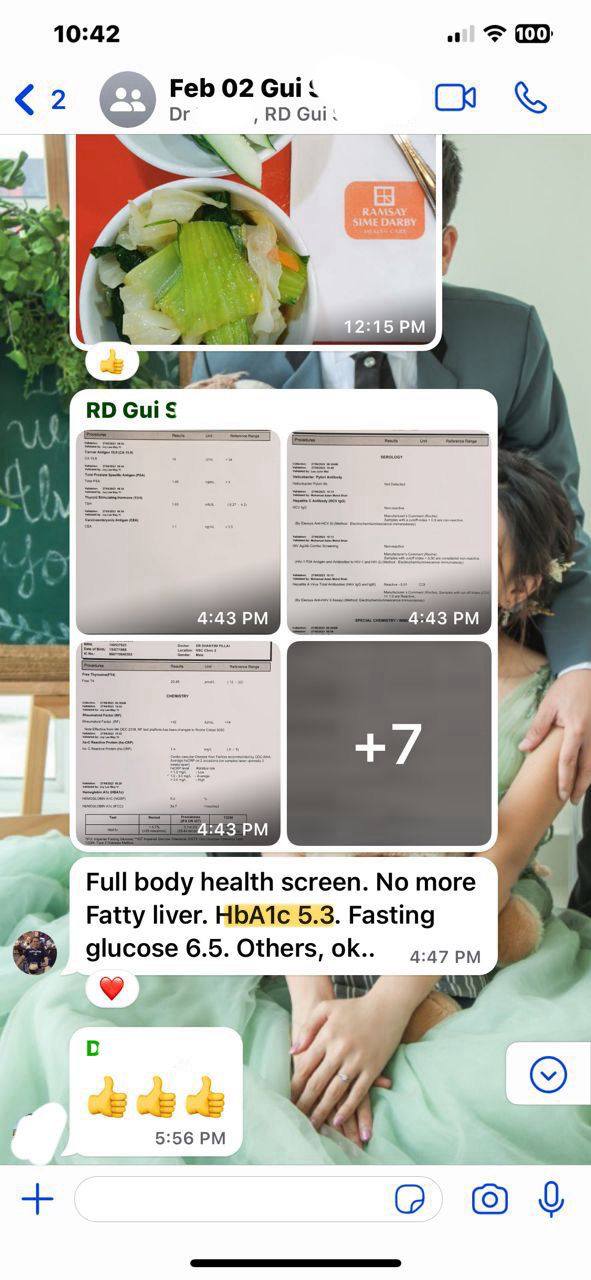
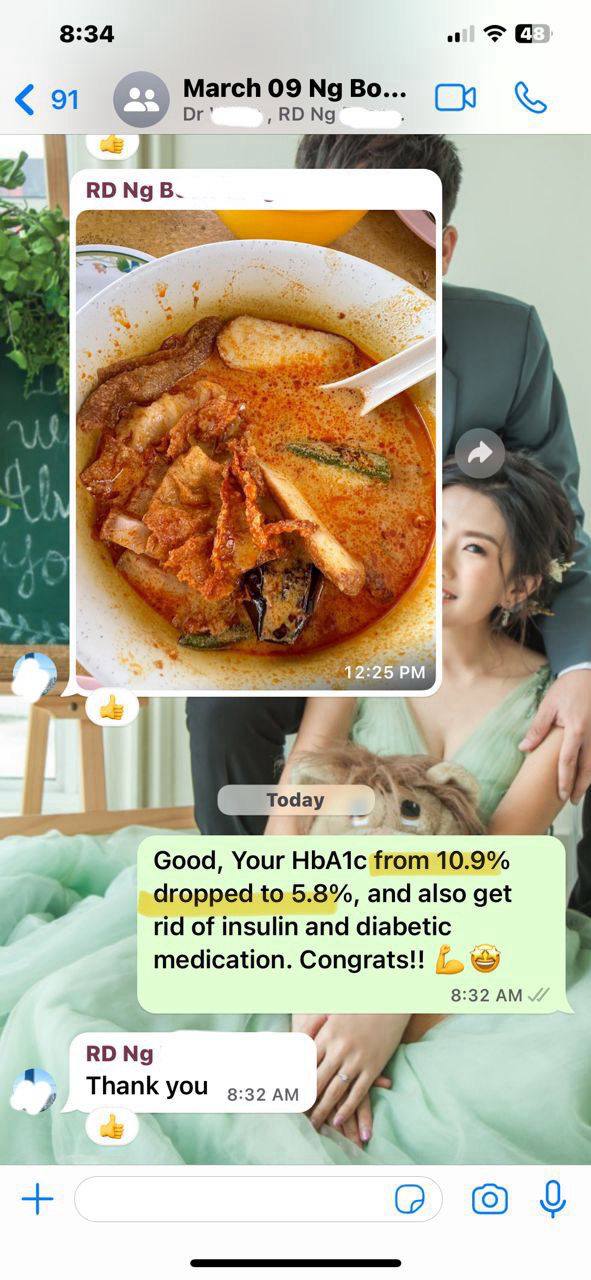
The data tells a clear story. Malaysia and Singapore face rising diabetes prevalence, technology is enabling better self-monitoring, and patients are actively seeking diabetes natural lifestyle alternatives to medication-heavy approaches. Working with a Malaysia diabetes expert who holds recognised credentials and has demonstrated outcomes with thousands of diabetic individuals provides a reliable pathway.
To learn more about diabetes dietary improvement or to Join Dr Julie Ng‘s 100-day diabetes reversal course, visit the official website: drjuliediabetes.com
Dr Julie Ng is a Malaysia’s Blood Sugar Management Expert holding a PhD in Nutritional Science from Universiti Sains Malaysia (USM) and MAHPC certification under the Malaysian Allied Health Professions Council (MAHPC) Act 774 within the Ministry of Health (MOH). She serves the Singapore and Malaysian markets with natural dietary solutions for diabetic individuals through her 100-day meal adjustment plan and one-on-one online consulting — requiring no meal skipping, no supplements, and full compatibility with eating out.