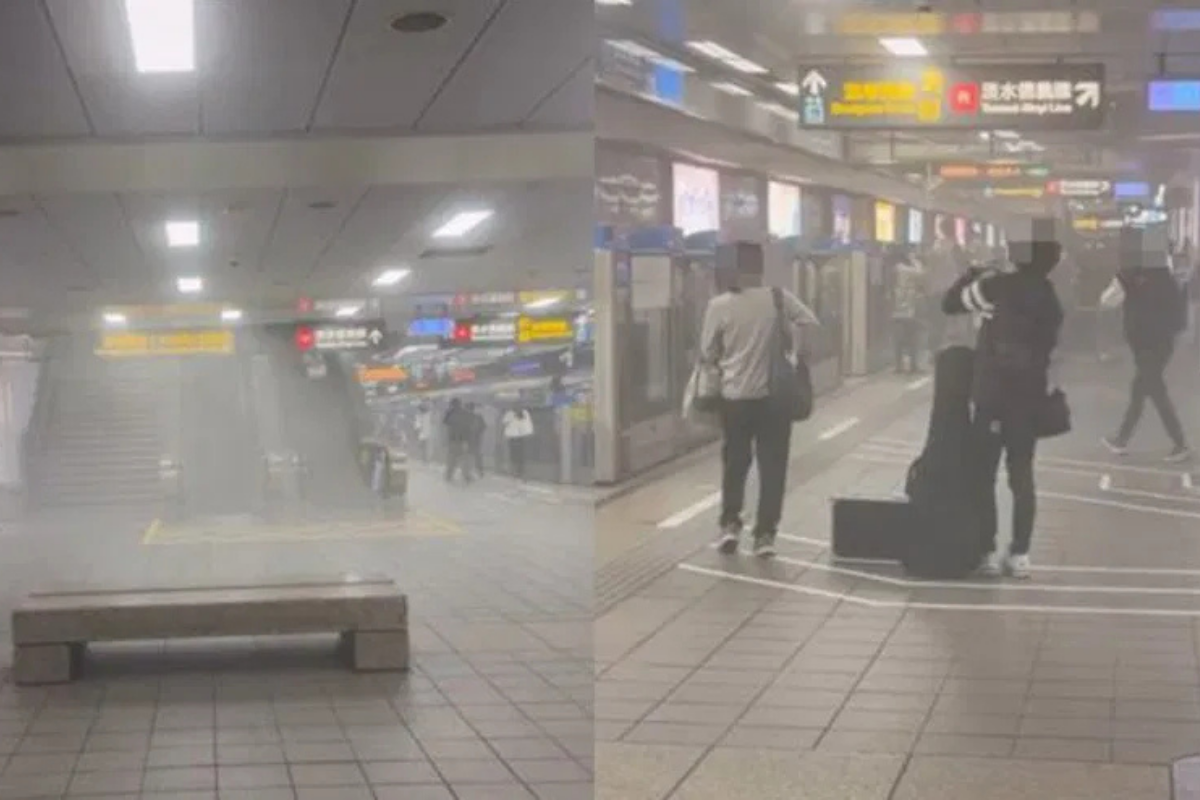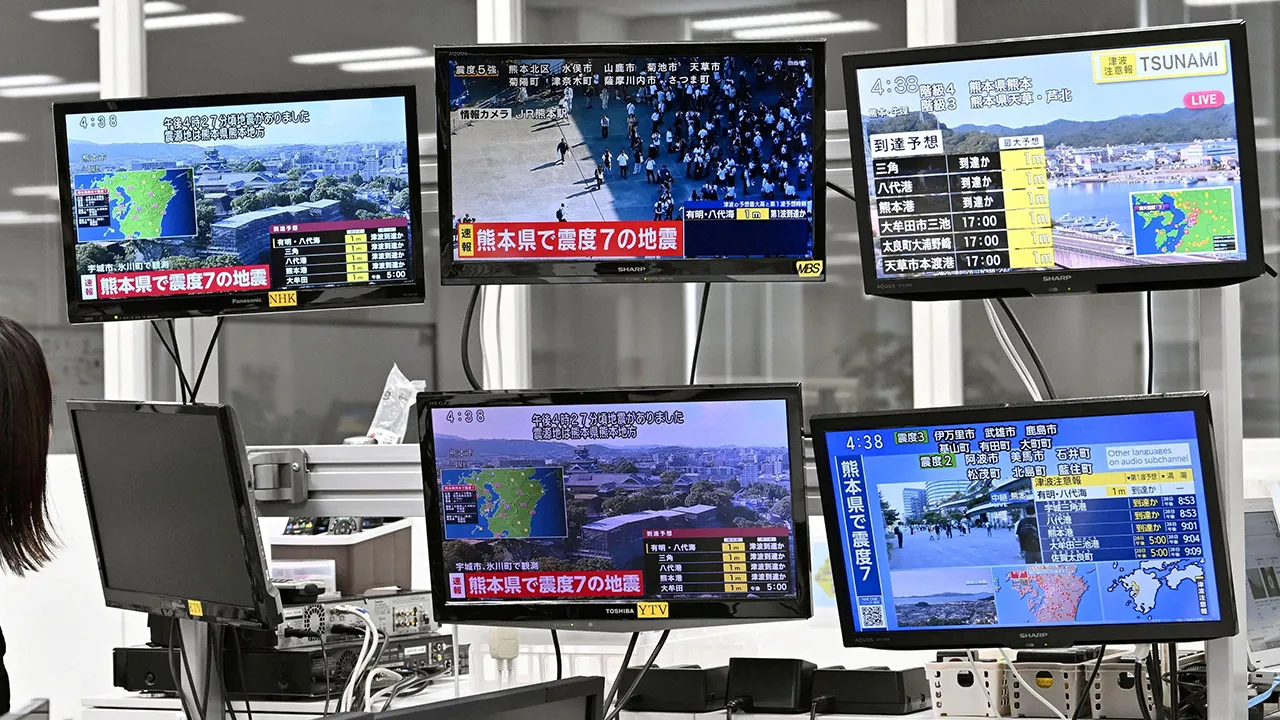
(Kumamoto, July 28) The Japan 7.1-magnitude earthquake that struck Kumamoto Prefecture at 4.27pm local time on Tuesday has left a trail of destruction across Kyushu, with an explosion and partial structural collapse at a major shopping mall emerging as the most dramatic and deadly single incident of the disaster. Officials confirmed that approximately 217,000 people received evacuation orders, around 48,000 households lost power, and at least 50 people were injured in the quake, which has been formally named the "Reiwa 8 Kumamoto Earthquake" by Japan's meteorological authorities.
Earthquake Scale and Damage
The Japan 7.1-magnitude earthquake struck at a depth of approximately 10 kilometres, with the epicentre in the Kumamoto district of Kumamoto Prefecture. Maximum seismic intensity of 7 was recorded at Uki City and Hikawa Town. Tsunami advisories were issued for coastal areas across Kumamoto and neighbouring prefectures, with waves estimated at up to one metre prompting immediate coastal evacuations.
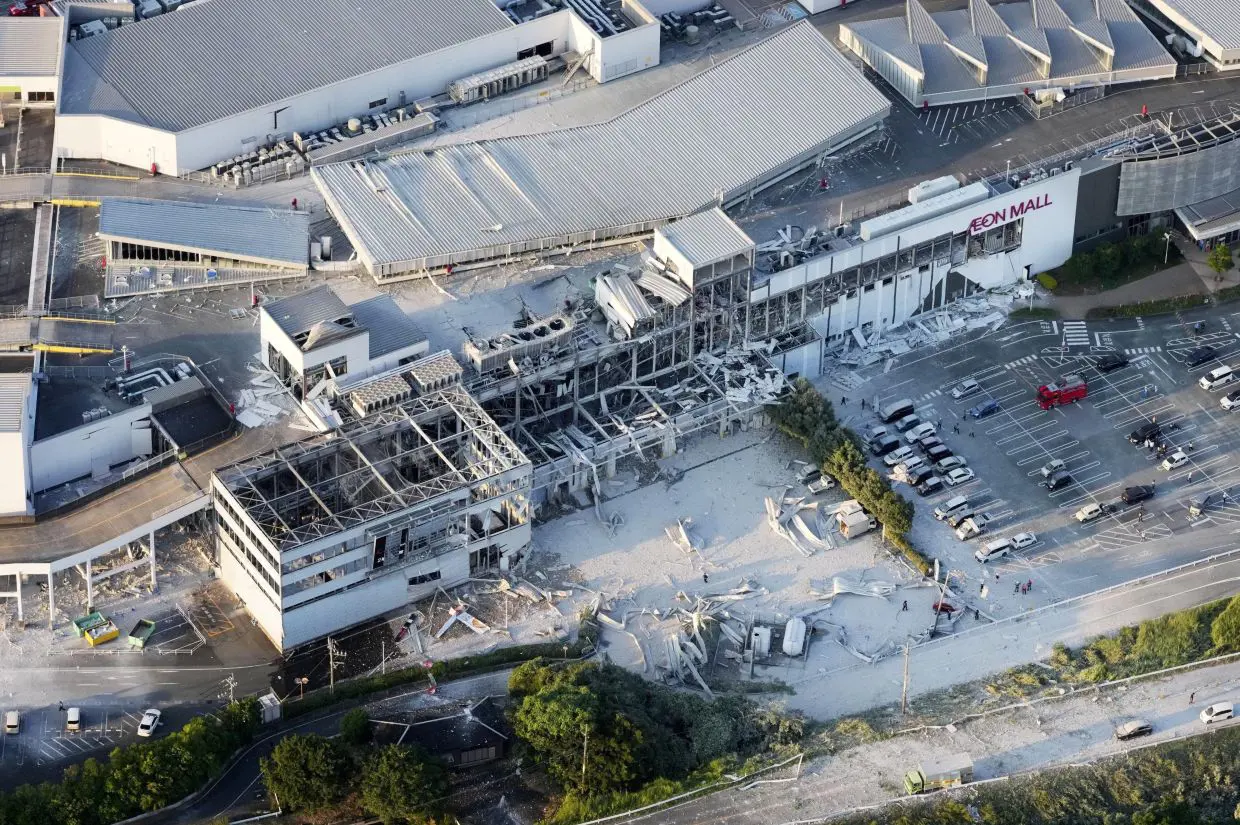
AEON Mall Explosion and Collapse
The AEON Mall Kumamoto, a large commercial facility in Kashima Town, experienced a significant explosion around 30 to 40 minutes after the initial earthquake. Witnesses described hearing a thunderous bang and seeing grey smoke rising from the building. NHK helicopter footage showed the building's exterior wall had shed large sections, exposing steel frames, with the roof partially collapsed and what appeared to be an explosion-blasted hole visible on the upper floor. The fire department assessed that the explosion originated near the centre of the structure and caused a partial collapse of the second floor. Multiple people were reported trapped, with rescue teams working through the evening. NHK and local broadcasters reported that multiple fatalities were believed to have occurred, though official confirmation was pending.
Casualty and Impact Data

Police received 318 emergency calls within hours of the quake; at least seven fires burned in Kumamoto Prefecture; 48,000 households lost electricity; at least 12 buildings collapsed; more than 50 people were injured; nine people were reported missing or trapped. Infrastructure damage was extensive — the Kumagawa bridge in Yatsushiro collapsed at its midpoint, the Yatsushiro interchange on the Kyushu Expressway developed a significant gap and subsidence, and Kumamoto Airport's runway was closed. JR Kyushu suspended all rail services temporarily, and several flights to and from Kumamoto were cancelled or diverted.
Government Response
Prime Minister Takaichi convened the "Extraordinary Disaster Response Headquarters" — the first such activation since 2024 — and approximately 3,600 Self-Defence Force personnel were deployed to the affected areas. The government activated its "push-type" supply chain to deliver essentials including food, water, portable air conditioning units and power generators directly to evacuation centres without waiting for requests. Chief Cabinet Secretary Kimihara Minoru told reporters that the government's top priority is the preservation of life, and warned against aftershocks and any coastal activity.
Meteorological Agency Warning
The Japan Meteorological Agency stated clearly that the risk of another large earthquake within the next two to three days is significant, and that an earthquake of magnitude 7 or above cannot be excluded over the coming week. Residents were urged to stay away from damaged buildings, avoid landslide-risk zones, and sleep in safe locations overnight.