Millions of Malaysians living near rivers, coastal areas, and low-lying communities face a familiar but serious threat as the country transitions into its most weather-intensive season. Every year, the arrival of the North-east Monsoon disrupts daily life, displaces families, and strains emergency services — yet many households remain underprepared when conditions deteriorate rapidly. The 2026/2027 North-east Monsoon season is confirmed to begin on October 27, 2026, and the Malaysian Meteorological Department (MetMalaysia) is urging the public to take this warning seriously from day one.
MetMalaysia Confirms the North-East Monsoon Begins October 27, Lasting Until March 2027
The 2026/2027 North-east Monsoon (MTL) will officially commence on October 27, 2026, and is expected to persist until March 2027, according to MetMalaysia director-general Dr Mohd Hisham Mohd Anip. This five-month weather event is one of the most consequential seasonal shifts on Malaysia’s climate calendar, touching the lives of communities across the peninsula, Sabah, and Sarawak.
Dr Mohd Hisham confirmed in an official media statement that between three and five episodes of continuous heavy rain are expected during the initial phase of the monsoon, spanning November 2026 through January 2027. For local communities already managing the impacts of the ongoing haze season, this transition represents a critical shift in risk — from air quality concerns to flooding and structural damage.
Residents in low-lying areas and neighbourhoods built near rivers are particularly vulnerable during this opening phase. MetMalaysia has specifically flagged these communities as being at heightened risk of inundation when prolonged rainfall events occur in rapid succession.
Flooding in Low-Lying Areas and Rough Seas Expected to Affect Coastal Communities
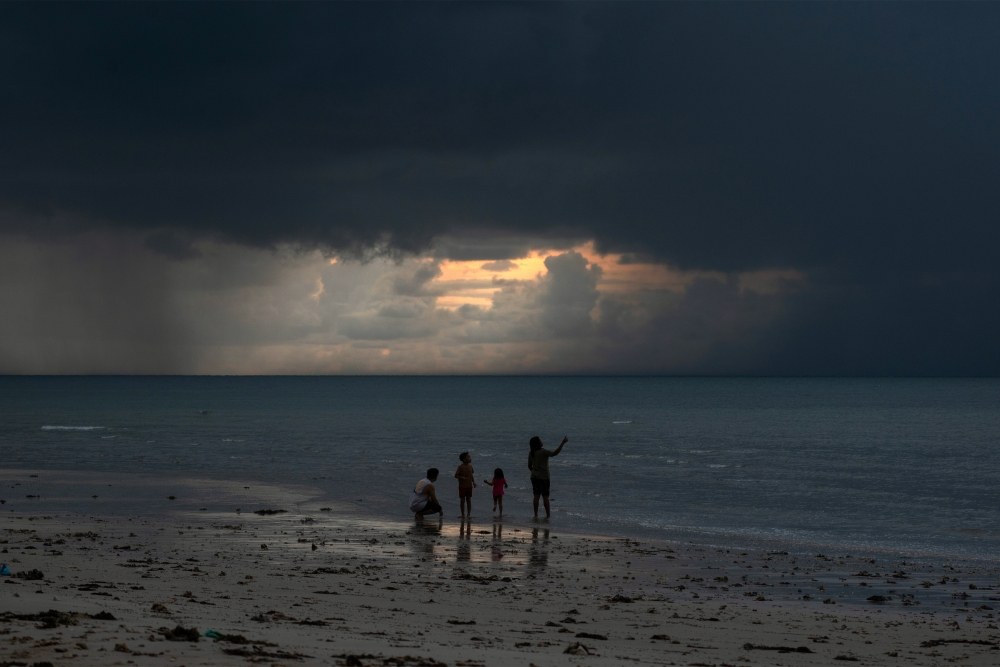
The North-east Monsoon brings more than just rain — it reshapes the physical environment for millions of Malaysians living along coastlines and riverbanks. Continuous strong north-easterly winds are expected to cause rough seas and rising sea levels in the South China Sea, directly affecting fishing communities and maritime activities throughout the season.
For families living near rivers or in flood-prone districts, the pattern of three to five consecutive heavy rain episodes creates a compounding risk: when the ground is already saturated from an earlier rainfall event, subsequent storms escalate flooding with far less warning time. Everyday families who depend on these areas for their homes and livelihoods have the most at stake when conditions deteriorate quickly.
Community members in these zones are strongly advised to monitor drainage systems around their properties, prepare emergency go-bags with essential documents and supplies, and establish clear evacuation routes before the monsoon intensifies.
Heatwaves and Dry Conditions to Follow for Northern States and Sabah From January to March
The North-east Monsoon does not end with floods. As the season enters its final phase — from January to March 2027 — rainfall is expected to decrease significantly, particularly in the northern states of Peninsular Malaysia and in Sabah.
Dr Mohd Hisham warned that this drier period will bring hot, dry weather, with conditions made more extreme by the ongoing Super El Niño phenomenon. The convergence of a seasonal dry spell with an active El Niño cycle raises the likelihood of intense heatwaves that can affect agricultural output, water supply, and public health, especially for elderly residents and outdoor workers.
This dual-phase nature of the monsoon — heavy rain followed by extreme heat — means that Malaysian communities must plan for two distinct sets of risks within a single five-month window. Preparedness cannot stop when the floods recede.
Here’s What You Need to Know About the 2026/2027 North-East Monsoon in Malaysia
When does the 2026/2027 North-east Monsoon start and end? The 2026/2027 North-east Monsoon begins on October 27, 2026, and is expected to last until March 2027, spanning approximately five months.
How many heavy rain episodes should Malaysians expect during the monsoon? MetMalaysia forecasts between three and five episodes of continuous heavy rain during the initial phase of the monsoon, from November 2026 to January 2027.
Which areas in Malaysia face the highest flood risk during the North-east Monsoon? Low-lying areas and locations situated near rivers face the highest risk of flooding, as prolonged rainfall events cause rapid water level rises with limited warning time.
Will the North-east Monsoon affect the seas around Malaysia? Continuous strong north-easterly winds are expected to cause rough seas and rising sea levels in the South China Sea, affecting fishing activities and maritime travel throughout the season.
What happens to weather conditions from January to March 2027? From January to March 2027, rainfall is expected to decrease — particularly in northern Peninsular Malaysia and Sabah — leading to hot, dry weather and a heightened risk of extreme heatwaves due to the ongoing Super El Niño phenomenon.
What is Super El Niño and why does it make the dry season more dangerous? The Super El Niño phenomenon amplifies the natural dry conditions during the monsoon’s final phase, increasing the severity and duration of heatwaves beyond what would otherwise occur in a standard monsoon season.
How can Malaysians access official weather warnings and forecasts from MetMalaysia? Official weather information, advisories, forecasts, and warnings from MetMalaysia are available through the following channels: the official website at www.met.gov.my, the myCuaca mobile application, MetMalaysia’s official social media channels, and the MetMalaysia hotline at 1-300-22-1638.
The arrival of the 2026/2027 North-east Monsoon on October 27 is a community-wide event, not just a weather statistic. With flooding risks peaking between November and January and extreme heat threatening northern states and Sabah from January through March 2027, every household in Malaysia has reason to act now. Stay connected to MetMalaysia’s official updates, prepare your home and family for rapid weather changes, and check the myCuaca app daily.
For real-time forecasts and official weather warnings, visit www.met.gov.my, download the myCuaca mobile application, follow MetMalaysia’s official social media channels, or call the MetMalaysia hotline directly at 1-300-22-1638.