Prime Minister Datuk Seri Anwar Ibrahim has called for a reconsideration of the practice of making individuals wear orange detention garb when brought to court before formal charges are filed — a policy he argues creates unfair public perceptions of those who remain innocent until proven guilty.
The call comes amid growing public debate over the dignity and due process rights of individuals under investigation, particularly those who are actively cooperating with authorities. For many Malaysians, the sight of a person in bright orange MACC detention attire at a court appearance carries an immediate — and potentially unjust — presumption of guilt.
Protecting the Presumption of Innocence Before Charges Are Filed
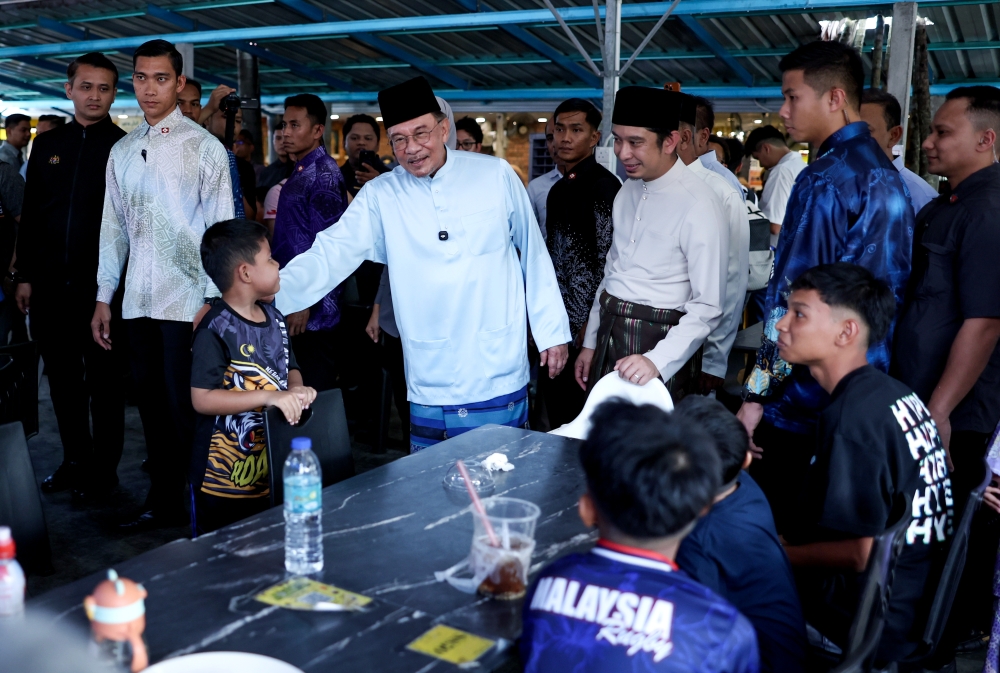
Anwar made his position clear after Friday prayers at Masjid Bukit Indah in Ampang Jaya on September 4, 2026. Speaking to reporters, the Prime Minister stated that individuals who fully cooperate with investigations should not be required to appear in orange detention garb prior to being formally charged in court.
“I said yesterday that before prosecution, or before a person is brought to court and charged, there is no need to wear orange detention garb,” Anwar told reporters.
He added that cooperation with investigations should be recognized and respected within the legal process. “If someone is cooperating with an investigation, there is no need to make them wear orange detention garb because it creates a different perception,” he said.
The Prime Minister’s remarks reflect a broader concern within the community that current enforcement optics may undermine the foundational legal principle that a person is innocent until proven guilty.
A Specific Incident That Triggered Wider Scrutiny
The Prime Minister’s comments were prompted by a specific and widely reported incident earlier in the week. On Tuesday, September 2, 2026, a former minister was brought to court wearing the Malaysian Anti-Corruption Commission’s (MACC) orange detention attire for a remand application.
The remand application was connected to an ongoing investigation into a hotel lease arrangement involving Lembaga Tabung Haji (TH) in Saudi Arabia. The public appearance of the former minister in orange garb — before any charges had been formally filed — sparked immediate public discussion about whether such a practice is appropriate or proportionate.
The incident highlighted a gap in how enforcement agencies handle the public-facing aspects of investigations, particularly when individuals have not yet been charged with any offence.
Balancing Public Accountability With Individual Rights
Anwar’s intervention signals a commitment to ensuring that Malaysia’s enforcement practices reflect both accountability and fairness. The orange detention garb, while serving a functional purpose within custodial settings, carries powerful visual symbolism when worn in public court appearances — symbolism that can damage reputations before any legal finding has been made.
For ordinary Malaysians, this matters deeply. The community has a vested interest in seeing its institutions operate with procedural fairness — particularly when public figures or private citizens face the scrutiny of high-profile investigations. A system that balances transparency with the protection of individual dignity builds greater public trust in the rule of law.
By raising this issue, Anwar has opened the door to a policy review that could affect how enforcement agencies — including the MACC — manage the custodial presentation of individuals who have not yet been charged.
Here’s What You Need to Know About This Issue
What exactly did Anwar say about orange detention garb? Prime Minister Anwar Ibrahim stated on September 4, 2026, that individuals who are cooperating with investigations should not be required to wear orange detention garb before they are formally charged in court, as doing so creates a negative public perception.
What triggered Anwar’s remarks on this topic? A former minister was brought to court in MACC orange detention attire on September 2, 2026, for a remand application linked to an investigation into a hotel lease involving Lembaga Tabung Haji in Saudi Arabia. This incident prompted Anwar’s public statement.
Has any formal policy change been announced regarding detention attire? As of September 4, 2026, no formal policy change has been announced. Anwar indicated that the practice should be reconsidered, but stopped short of issuing a directive or policy order at this stage.
Which agency’s detention attire was at the centre of this controversy? The orange detention garb in question belongs to the Malaysian Anti-Corruption Commission (MACC), which is the enforcement body conducting the investigation related to the Lembaga Tabung Haji hotel lease case in Saudi Arabia.
What is the core legal concern raised by Anwar’s remarks? The central concern is the presumption of innocence — the principle that a person is innocent until formally charged and proven guilty. Requiring individuals to appear in detention attire before charges are filed risks conveying guilt to the public before any legal determination has been made.
Does this apply to all individuals under investigation or only certain cases? Anwar specifically framed his remarks around individuals who are cooperating with investigations, suggesting that cooperation should be a factor in determining whether detention attire is appropriate during pre-charge court appearances.
Where did Anwar make these remarks? Anwar made these statements to reporters after Friday prayers at Masjid Bukit Indah in Ampang Jaya, Kuala Lumpur, on September 4, 2026.
A Statement That Puts Fairness at the Centre of Public Life
Prime Minister Anwar Ibrahim’s call to reconsider the use of orange detention garb for cooperative investigation subjects reflects a commitment to upholding fairness, dignity, and the rule of law in Malaysia’s public institutions. The community deserves an enforcement system that is both firm in pursuing accountability and measured in how it treats individuals who have not yet been formally charged.
This conversation — sparked by a remand hearing and a set of bright orange clothes — touches on something far deeper: the kind of society Malaysia wants to be, and the standards it holds its institutions to.
Source: Bernama. First reported September 4, 2026.