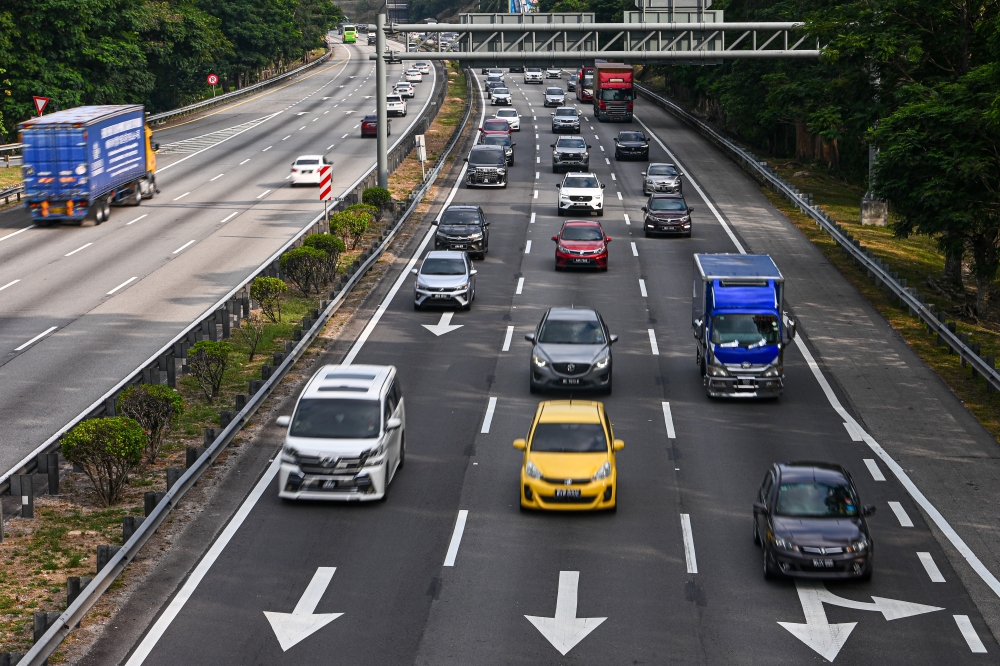
For many Penang residents, Sunday, September 7, 2026, brought an unwelcome reminder of a problem that recurs with troubling regularity — waking up to hazy skies and air that carries the sting of distant fires. The Air Pollutant Index (API) in Minden, Penang island, surged to 142 by 3pm, crossing the threshold into the “unhealthy” category and raising immediate concerns for the community, particularly children, the elderly, and those with existing respiratory conditions.
Minden Monitoring Station Records Unhealthy Air Quality, Reaching API of 142 by Afternoon
Penang’s air quality deterioration was both sudden and significant. Penang housing and environment committee chairman Datuk Seri Sundarajoo Somu confirmed that the Minden air-quality monitoring station on Penang island began recording unhealthy readings as early as 9am on September 7.
Throughout the day, the station registered API readings fluctuating between 82 and 142, with the peak of 142 recorded at 3pm. Minden was the only one of Penang’s four official air-quality monitoring stations to cross into the unhealthy range on that day.
By comparison, monitoring stations in Seberang Perai, Seberang Jaya, and Balik Pulau recorded moderate readings ranging between 55 and 91 — elevated, but not at levels that immediately threaten public health.
Sundarajoo noted that Penang’s air quality had generally remained at good to moderate levels between September 4 and 6, making the spike at Minden on September 7 a marked departure from recent conditions.
Regional Hotspot Activity in Sumatra and Kalimantan Contributes to Deteriorating Air Over Penang
The source of Penang’s worsening air quality is not confined within Malaysian borders. Preliminary data from the ASEAN Specialised Meteorological Centre revealed that 737 hotspots were recorded in Sumatra and 540 hotspots in Kalimantan during the September 4 to 6 monitoring period. Hotspots were also detected across several Malaysian states during the same period.
“The increase in hotspots in Sumatra and Kalimantan indicates more significant fire activity in the region,” Sundarajoo said.
However, he was careful to clarify that hotspot numbers alone are not a direct measure of Penang’s air quality at any given time. The actual impact on the state depends on several interconnected factors: wind direction and speed, prevailing atmospheric conditions, and local rainfall distribution.
Intermittent rain in Penang between September 4 and 6 had helped suppress pollution levels, keeping readings within the good-to-moderate range during that period. PM₁₀ was identified as the dominant pollutant affecting Penang, though its concentration had remained at a moderate level leading up to the September 7 spike.
Practical Guidance for Penang Residents to Protect Their Health During Poor Air Quality Episodes
For Penang families living through elevated API days, knowing what to do — and what to avoid — is essential. Sundarajoo issued clear, actionable guidance to the public in response to the worsening conditions.
Residents are advised to:
- Monitor official API readings for their respective areas through the Department of Environment’s Air Pollutant Index Management System (APIMS), which provides real-time data.
- Avoid open burning of any kind — including rubbish, dried leaves, and agricultural waste — and report such activities to authorities immediately.
- Reduce time spent outdoors, especially during peak pollution hours.
- Keep doors and windows closed at home to limit exposure to outdoor air pollutants.
- Wear suitable face masks if air quality worsens.
- Reduce unnecessary vehicle use, opting instead for public transport, carpooling, or other sustainable travel options.
Children, senior citizens, and those with respiratory conditions carry the greatest risk during unhealthy air quality episodes and should reduce or eliminate strenuous outdoor activities when API readings rise.
Sundarajoo also urged the public to rely solely on official sources for air quality information and not to act on unverified claims or social media posts, which can spread misinformation during haze events.
Official Agencies Continue Active Monitoring to Keep the Penang Community Informed and Safe
Transparency and consistent communication are central to how authorities are managing this air quality episode. Sundarajoo confirmed that the Department of Environment and all relevant agencies will continue monitoring air quality and regional hotspot activity around the clock.
Residents can access real-time, verified API readings through the Department of Environment’s official Air Pollutant Index Management System (APIMS). This system allows the public to check readings for their specific area rather than relying on generalised reports.
The commitment to ongoing monitoring reflects a broader responsibility to the Penang community — ensuring that residents have the information they need to protect themselves and their families, especially during periods when transboundary haze from Sumatra and Kalimantan threatens air quality across the region.
Here’s What You Need to Know About the Minden Air Quality Alert and Penang’s API Situation
What does an API reading of 142 mean for Penang residents? An API reading of 142 falls within the “unhealthy” category under Malaysia’s Air Pollutant Index classification system. At this level, all members of the public may begin to experience health effects, and sensitive groups — including children, the elderly, and those with respiratory or heart conditions — face more serious risks. Residents should limit outdoor activities and follow official health advisories.
Which Penang monitoring station recorded the unhealthy air quality reading on September 7, 2026? The Minden monitoring station on Penang island was the only one of Penang’s four official air-quality monitoring stations to record an unhealthy API reading on September 7, 2026, peaking at 142 at 3pm.
What were the API readings at other Penang monitoring stations on the same day? Monitoring stations in Seberang Perai, Seberang Jaya, and Balik Pulau recorded moderate API readings ranging between 55 and 91 on September 7, 2026 — elevated but not classified as unhealthy.
How many hotspots were recorded in Sumatra and Kalimantan during this period? According to preliminary data from the ASEAN Specialised Meteorological Centre, 737 hotspots were recorded in Sumatra and 540 hotspots in Kalimantan between September 4 and 6, 2026, indicating significant regional fire activity that contributes to transboundary haze.
Does a high hotspot count in Sumatra automatically mean Penang’s air quality will worsen? No. Penang’s air quality is determined not just by hotspot numbers but also by wind direction and speed, atmospheric conditions, and rainfall. Intermittent rain over Penang between September 4 and 6 helped keep API readings within good-to-moderate levels despite the elevated regional hotspot count.
What is the dominant air pollutant affecting Penang during this haze episode? PM₁₀ has been identified as the dominant pollutant in Penang during this period, though its concentration remained at a moderate level in the days leading up to the September 7 spike at Minden.
Where can Penang residents check the latest official API readings? Penang residents can check real-time, officially verified API readings through the Department of Environment’s Air Pollutant Index Management System (APIMS). Authorities have strongly advised against relying on unverified information or social media posts for air quality updates during haze events.