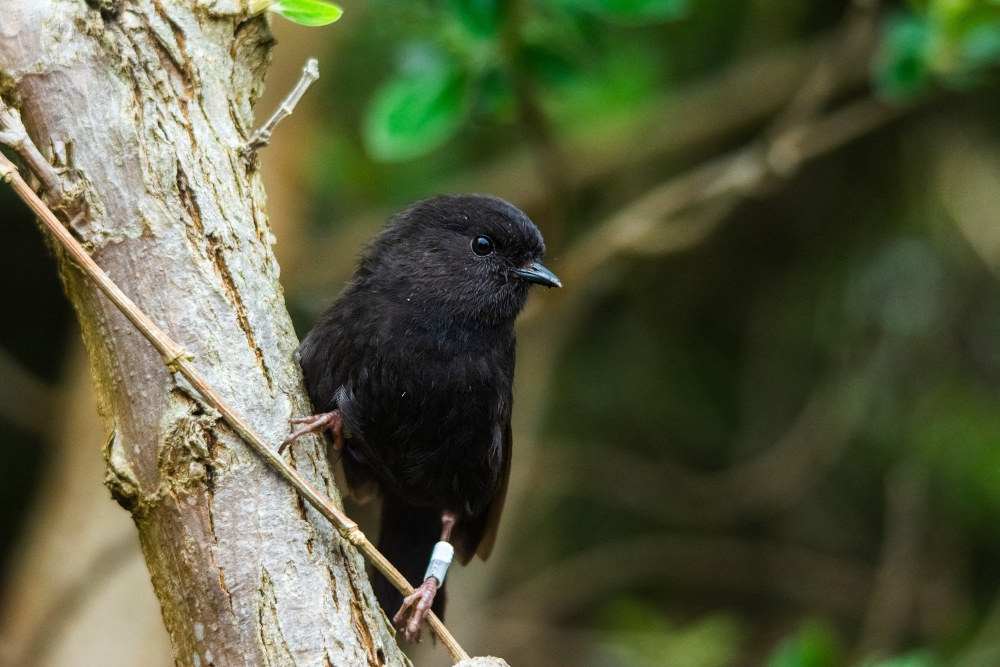
New Zealand’s beloved Bird of the Year competition has long served as a rallying point for conservation awareness, bringing communities together in support of the country’s most vulnerable native species. Yet for many wildlife advocates, the persistent threat facing critically endangered birds — from habitat loss to invasive predators — remains an urgent and deeply personal concern. This year, New Zealanders responded to that concern in record numbers, casting more than 105,000 votes in the annual poll run by independent conservation organisation Forest and Bird, with the critically endangered black robin emerging as the winner. The result marks not just a popular vote, but a powerful statement of community commitment to protecting New Zealand’s natural heritage.
Rooted in Chatham Islands History, the Black Robin Embodies New Zealand’s Conservation Spirit
For decades, the black robin has stood as one of New Zealand’s most remarkable conservation stories, making it a deeply meaningful symbol for local communities and wildlife advocates alike. This diminutive native bird lives on the remote Chatham Islands, located 800 kilometres off the South Island’s east coast — a place most New Zealanders have never visited but many feel a profound connection to. In 1980, the species teetered on the absolute edge of extinction, with only five individuals remaining alive, including just a single breeding female. Through sustained conservation effort rooted in community action and scientific dedication, the population has since recovered to approximately 350 birds. The black robin’s survival is officially recognised as one of the world’s most significant wildlife recovery achievements, providing local communities with a genuine reason to celebrate and defend their natural environment.
The Black Robin’s Victory Directly Addresses Conservation Challenges Facing Everyday New Zealanders
The services and campaigns surrounding this year’s Bird of the Year competition directly address a practical problem long faced by New Zealand’s conservation community: keeping public attention focused on species that are no longer front-page news but remain critically at risk. The black robin received more than 26,000 votes, finishing ahead of the well-known flightless parrot the kakapo in second place and the native karearea falcon in third. The Chatham Islands Landscape Restoration Trust ran the campaign for the black robin and is actively seeking to establish a third dedicated habitat for the species, with the goal of expanding biodiversity and reducing the risk of catastrophic loss from a single disaster event. For everyday New Zealand families, this campaign represents a tangible way to contribute to conservation — without needing specialist knowledge or financial resources, just a vote.
Regardless of Background, Any New Zealander Could Participate in This Record-Breaking Vote
It has come to light that this year’s Bird of the Year competition saw unprecedented levels of inclusive, community-wide participation. Forest and Bird spokesperson Rebecca Hatch confirmed the figures directly: “This year has seen record numbers of votes with 105,000 people choosing their favourite.” Hatch added, “New Zealanders have really shown up for nature. Roughly one in every 50 Kiwis voted.” The competition carries no barriers to entry — there are no eligibility criteria, no cost, and no requirement for specialist conservation knowledge. First-time participants, young voters, and communities far removed from the Chatham Islands all contributed to the historic turnout. The format ensures that underserved voices and everyday residents have exactly the same influence as established conservation organisations, making this one of New Zealand’s most genuinely democratic environmental initiatives.
Licensed Conservation Leadership Gives New Zealanders Confidence in the Bird of the Year Process
Safety and integrity are what community participants care about most when engaging in a public vote of this significance, and Forest and Bird has worked to ensure that trust is well-founded. The organisation addressed controversy head-on: in 2019, accusations of Russian interference arose after hundreds of votes were registered from IP addresses in the country, though Forest and Bird determined most votes were legitimate and confirmed the result was not affected. In 2023, the puteketeke won after comedian John Oliver of Last Week Tonight urged international viewers to vote, generating celebrity-driven global attention. Forest and Bird confirmed that this year’s record turnout was driven entirely by genuine domestic engagement, with no foreign interference identified. That long-standing commitment to a fair, verifiable, and community-centred process has built durable public trust in the competition year after year.
Here’s What You Need to Know About New Zealand’s Bird of the Year and the Black Robin’s Historic Win
Which bird won New Zealand’s Bird of the Year in 2026? The critically endangered black robin won New Zealand’s Bird of the Year competition in September 2026, receiving more than 26,000 votes from a record total of 105,000 participants.
Where does the black robin live? The black robin lives on the remote Chatham Islands, located approximately 800 kilometres off the east coast of New Zealand’s South Island.
How close did the black robin come to extinction? In 1980, only five black robins remained alive, including just a single breeding female. The population has since recovered to approximately 350 birds through sustained conservation efforts.
Who organises the Bird of the Year competition? The Bird of the Year competition is organised annually by Forest and Bird, an independent New Zealand conservation organisation.
How many people voted in this year’s Bird of the Year competition? A record 105,000 people voted in the 2026 Bird of the Year competition, representing roughly one in every 50 New Zealanders.
Which birds came second and third in the 2026 Bird of the Year competition? The kakapo, New Zealand’s well-known flightless parrot, finished in second place, while the native karearea falcon came in third.
Has the Bird of the Year competition faced controversy in the past? Yes. In 2019, accusations of Russian interference arose after votes were traced to IP addresses in Russia, though Forest and Bird concluded most votes were legitimate. In 2023, international celebrity backing from comedian John Oliver significantly boosted votes for the puteketeke.
What is being done to help the black robin survive long-term? The Chatham Islands Landscape Restoration Trust, which ran the campaign for the black robin, is actively working to establish a third habitat for the species to expand its biodiversity and reduce vulnerability to single-site threats.
A Vote for the Black Robin Is a Vote for New Zealand’s Natural Future
The critically endangered black robin’s Bird of the Year victory is more than a popularity contest result — it is a clear signal that New Zealand communities remain deeply invested in protecting their most vulnerable native species. With 105,000 voters participating in a record-breaking poll, and the Chatham Islands Landscape Restoration Trust pushing forward plans for a third black robin habitat, the momentum behind this conservation story is real and growing. If you want to support New Zealand’s wildlife recovery efforts, follow Forest and Bird and the Chatham Islands Landscape Restoration Trust for updates on how you can contribute to the black robin’s continued survival. Every act of awareness, advocacy, and engagement helps ensure this extraordinary bird never again faces the brink of extinction.