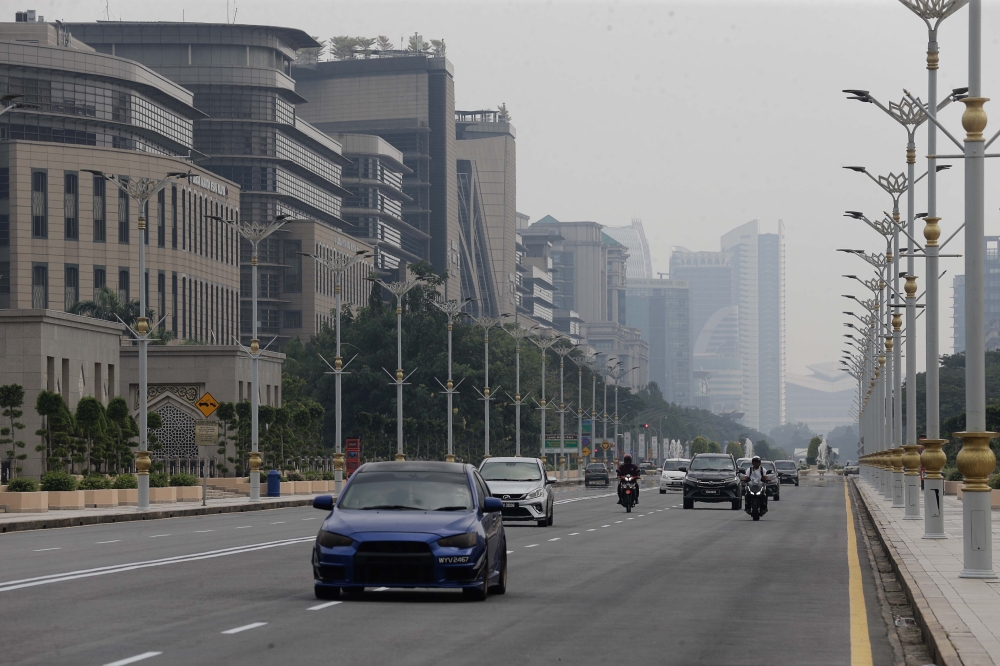
Residents across Malaysia woke up to a hazy and unhealthy start to the week on Monday, October 5, 2026, as air pollution levels spiked to concerning levels in multiple states. For millions of people living in and around Kuala Lumpur, Selangor, Johor, Negeri Sembilan, and Putrajaya, the morning air carried more than just the usual rush-hour inconvenience — it carried a measurable health risk. As of 10 am, unhealthy air quality readings were recorded across seven locations nationwide, raising fresh concerns about haze conditions and their direct impact on local communities.
Seven Locations Nationwide Record Unhealthy Air Pollutant Index Readings
Seven distinct areas in Malaysia recorded Air Pollutant Index (API) readings classified as “unhealthy” as of 10 am on Monday, October 5, 2026, according to data published on the Malaysian Air Pollutant Index Management System (APIMS) portal.
Johor bore the brunt of the morning’s poor air quality, with three of its monitoring stations recording the highest readings in the country. Larkin and Pasir Gudang both registered an API of 154, while Batu Pahat came in at 153 — all firmly within the unhealthy band. These readings are not abstract numbers; they represent real health risks for residents, school children, outdoor workers, and the elderly who have no choice but to breathe the surrounding air each morning.
Beyond Johor, the haze extended into the Klang Valley and surrounding regions. Johan Setia in Selangor recorded an API of 153. In Kuala Lumpur, Cheras registered 152. The federal administrative capital of Putrajaya also hit 152. Nilai in Negeri Sembilan recorded an API of 124 — the lowest among the seven affected areas, but still squarely within the unhealthy range.
Haze Blankets the Majority of Malaysia as Only Langkawi Records Good Air
The broader national air quality picture painted by the APIMS portal on Monday morning was one of widespread concern for everyday Malaysians. While seven areas recorded unhealthy levels, 60 other monitoring areas across the country fell into the moderate air quality category — meaning the haze was not confined to a handful of hotspots but was a near-nationwide condition affecting communities from coast to coast.
Only one area in the entire country recorded good air quality: Langkawi in Kedah. For the vast majority of Malaysians going about their Monday routines — commuting, sending children to school, opening businesses — the air they were breathing fell somewhere between moderate and unhealthy, with no clean-air buffer in most regions.
This kind of widespread moderate-to-unhealthy air quality day has a cumulative impact on public health, particularly for residents who live near industrial zones, busy roads, or open burning areas. Communities in Pasir Gudang and Johan Setia, which have historically experienced air quality events, once again found themselves among the hardest-hit areas on Monday morning.
Understanding the API Scale Malaysians Rely On for Daily Health Decisions
The Air Pollutant Index is the standard measurement system used by Malaysian authorities to communicate air quality conditions to the public, and understanding it helps residents make informed daily decisions about outdoor activity, school attendance, and health precautions.
The APIMS categorises API readings as follows: readings between 0 and 50 indicate good air quality; 51 to 100 indicate moderate; 101 to 200 are classified as unhealthy; 201 to 300 are classified as very unhealthy; and any reading exceeding 300 is considered hazardous. All seven areas recorded on Monday morning fell within the 101 to 200 unhealthy band, with readings ranging from 124 in Nilai to 154 in Larkin and Pasir Gudang.
For local residents, these classifications carry practical weight. An unhealthy API reading is the threshold at which health authorities typically advise sensitive groups — including children, senior citizens, pregnant women, and individuals with respiratory or cardiovascular conditions — to reduce or avoid prolonged outdoor exposure. At readings above 150, even generally healthy adults are advised to limit strenuous outdoor activities.
Here’s What You Need to Know About Malaysia’s Unhealthy Air Quality on October 5, 2026
Which areas recorded unhealthy air quality in Malaysia on October 5, 2026? As of 10 am on October 5, 2026, seven areas recorded unhealthy API readings: Larkin (154), Pasir Gudang (154), Batu Pahat (153), Johan Setia (153), Cheras (152), Putrajaya (152), and Nilai (124), according to the APIMS portal.
What does an API reading of 154 mean for residents? An API reading of 154 falls within the unhealthy category (101 to 200), meaning sensitive groups such as children, the elderly, and people with respiratory or heart conditions should avoid prolonged outdoor exposure, and healthy adults should limit strenuous outdoor activities.
How many areas in Malaysia had moderate air quality on October 5, 2026? On the morning of October 5, 2026, 60 areas across Malaysia were recorded in the moderate air quality category, indicating that haze conditions affected the majority of the country’s monitoring stations simultaneously.
Which was the only area with good air quality in Malaysia on October 5, 2026? Langkawi in Kedah was the only area in Malaysia to record good air quality as of 10 am on October 5, 2026, making it the sole clean-air location among all APIMS monitoring stations active that morning.
What is the API scale used in Malaysia? Malaysia’s Air Pollutant Index scale categorises air quality into five bands: good (API 0–50), moderate (51–100), unhealthy (101–200), very unhealthy (201–300), and hazardous (above 300). The data is published in real time via the APIMS portal managed by Malaysian authorities.
Why did Johor record the worst air quality in Malaysia on this date? Three Johor locations — Larkin, Pasir Gudang, and Batu Pahat — recorded the highest API readings in the country on October 5, 2026, with Larkin and Pasir Gudang both reaching 154 and Batu Pahat at 153. Pasir Gudang in particular has been a historically recurring air quality hotspot due to its industrial activity and proximity to pollution sources.
Where can Malaysians check live air quality readings? Malaysians can check real-time and historical API readings for all monitored locations through the Malaysian Air Pollutant Index Management System (APIMS) portal, which is the official government platform for air quality data in Malaysia.
Residents in affected areas are advised to monitor the APIMS portal for updates throughout the day, keep windows closed during peak haze hours, wear face masks if going outdoors, and seek medical attention promptly if they experience breathing difficulties, chest tightness, or prolonged eye irritation. Local health authorities continue to monitor air quality conditions and will issue advisories as the situation develops.