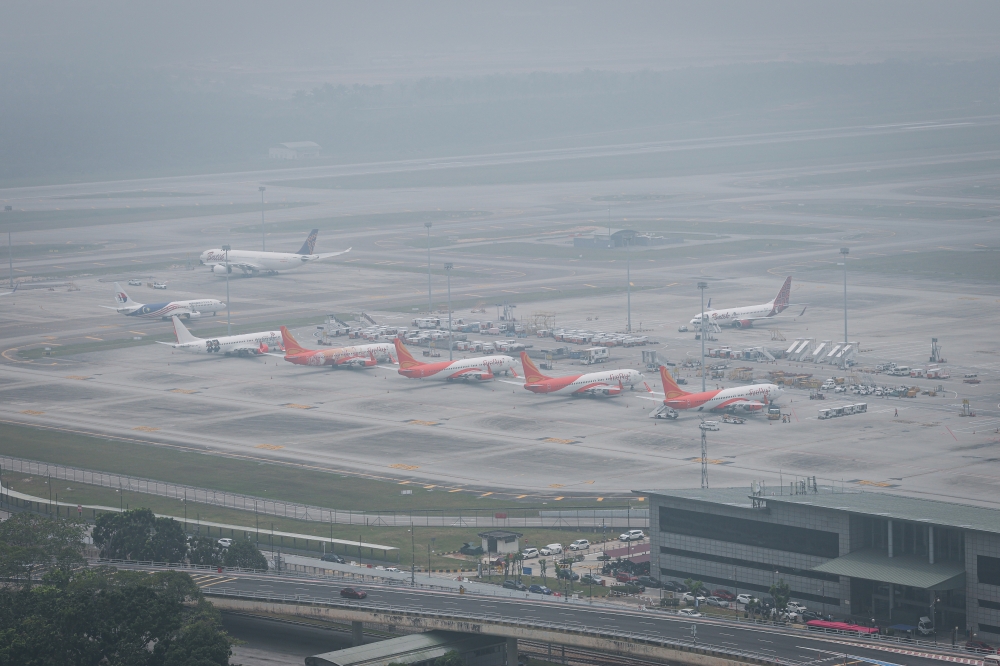
Air quality across Malaysia deteriorated sharply on September 30, 2026, with residents in dozens of communities waking up to skies thick with haze and air that health authorities classify as genuinely harmful to breathe. The unhealthy API readings recorded across 29 areas this morning are not just numbers on a government portal — they represent a direct, daily burden carried by ordinary Malaysians: schoolchildren kept indoors, elderly residents struggling to breathe, and workers forced to commute through visibly polluted air. Data from the Air Pollutant Index Management System (APIMS) portal, recorded as of 10 am on September 30, confirms the scale and spread of this ongoing crisis, with communities from Selangor to Terengganu affected.
Selangor and Klang Valley Communities Bear the Heaviest Haze Burden
Residents living in Selangor and the Klang Valley are experiencing the most severe air quality conditions recorded this morning. Johan Setia in Selangor registered the highest API reading nationwide at 175, placing it firmly in the unhealthy air quality category, while Cheras in Kuala Lumpur followed closely at 172.
Other Selangor communities recorded readings that are equally alarming for everyday residents. Shah Alam recorded an API of 170, Batu Muda reached 166, Klang registered 163, and Petaling Jaya hit 161 — meaning millions of people living across the Klang Valley are breathing air that authorities classify as harmful. Banting recorded 159 and Kuala Selangor 152, while Kuala Lumpur’s broader urban core recorded 166 and Putrajaya registered 163.
For families in these areas, the haze is not an abstract environmental concern. It is the reason parents hesitate to send young children to school, the reason senior citizens cannot take their morning walks, and the reason outdoor workers face genuine occupational health risks every single day the haze persists.
Southern and East Coast Communities Also Caught in Widespread Unhealthy Air Quality
The haze crisis affecting local residents extends well beyond the Klang Valley, with communities across Johor, Negeri Sembilan, Pahang, Terengganu, Melaka, and Perak all recording unhealthy API levels as of the morning reading on September 30, 2026.
In Negeri Sembilan, Nilai recorded an API of 170, Seremban hit 161, and Port Dickson registered 153. Johor residents faced some of the most widespread impacts in the south, with Pasir Gudang at 168, Larkin at 165, Kota Tinggi at 159, Pengerang at 153, Batu Pahat at 152, and Kluang at 121 — all within the unhealthy range.
Pahang communities were not spared either. Indera Mahkota and Balok Baru in Kuantan each recorded 162, Rompin reached 133, and Jerantut registered 122. Further north along the east coast, Kuala Terengganu registered 157, Kemaman recorded 152, and Paka reached 151. In Melaka, Bandaraya Melaka hit 155 and Bukit Rambai recorded 153. Perak residents in Seri Manjung and Tanjung Malim both recorded readings of 151.
Across all of these communities, the pattern is the same: families, workers, and vulnerable groups including the elderly and young children are being asked to manage the health consequences of sustained poor air quality with limited immediate relief in sight.
Understanding Malaysia’s API Scale and What Each Reading Means for Residents
It has come to light that many residents across the affected communities are uncertain about what specific API numbers mean for their daily lives and health decisions. Malaysia’s official API classification system provides a clear and independently verifiable framework that all residents can use to assess their risk level without relying on interpretation.
The Malaysian API scale operates as follows: a reading of 0 to 50 indicates good air quality and poses no health risk; 51 to 100 is classified as moderate and is generally safe for most people; 101 to 200 is classified as unhealthy, meaning sensitive groups including children, the elderly, and those with respiratory or cardiac conditions face significant health risks, and even healthy individuals may experience discomfort with prolonged outdoor exposure. Readings between 201 and 300 are classified as very unhealthy, while any reading of 300 or above is classified as hazardous and warrants emergency-level public health responses.
All 29 areas recorded this morning fell within the 101 to 200 unhealthy range. Residents in these areas — including underserved communities with less access to air purifiers or air-conditioned environments — are encouraged to limit outdoor activity, keep windows closed, and use face masks rated for particulate matter if outdoor movement is unavoidable. As of the same 10 am reading, 36 areas recorded moderate API levels and three areas recorded good air quality readings.
Here’s What You Need to Know About Malaysia’s September 2026 Haze Crisis
How many areas in Malaysia recorded unhealthy API readings on September 30, 2026? A total of 29 areas across Malaysia recorded unhealthy Air Pollutant Index (API) readings as of 10 am on September 30, 2026, according to data published by the Air Pollutant Index Management System (APIMS) portal.
Which area recorded the highest API reading on September 30, 2026? Johan Setia in Selangor recorded the highest API reading of 175 as of 10 am on September 30, 2026, making it the worst-affected location nationwide on that date.
What was the API reading for Cheras on September 30, 2026? Cheras in Kuala Lumpur recorded an API reading of 172 as of 10 am on September 30, 2026, making it the second-highest reading recorded nationwide on that date.
What API reading is classified as unhealthy under Malaysia’s official scale? Under Malaysia’s official API classification system, any reading between 101 and 200 is classified as unhealthy. Readings between 201 and 300 are very unhealthy, and readings of 300 and above are classified as hazardous.
Which states were affected by unhealthy API readings on September 30, 2026? Unhealthy API readings were recorded across multiple states including Selangor, Kuala Lumpur, Putrajaya, Negeri Sembilan, Johor, Pahang, Terengganu, Melaka, and Perak as of 10 am on September 30, 2026.
Where can residents check Malaysia’s current API readings independently? Residents can check real-time and updated API readings for all monitored locations in Malaysia directly through the Air Pollutant Index Management System (APIMS) portal, which is maintained by the Department of Environment.
What precautions should residents take when the API reading is in the unhealthy range? When the API reading is between 101 and 200, residents — particularly children, the elderly, and those with respiratory or cardiac conditions — should limit prolonged outdoor activity, keep windows and doors closed where possible, and wear particulate-filtering face masks if outdoor movement is necessary.
The haze blanketing communities across Malaysia on September 30, 2026, is a public health issue that directly affects the daily lives of millions of ordinary residents. With 29 areas recording unhealthy API readings — and Johan Setia and Cheras registering the highest levels at 175 and 172 respectively — residents across Selangor, the Klang Valley, Johor, Negeri Sembilan, Pahang, Terengganu, Melaka, and Perak are urged to monitor the APIMS portal regularly, follow health authority guidance, and take practical steps to protect themselves and their families until air quality improves. Stay informed, stay indoors where possible, and check updated API readings throughout the day.