How to Master Play-to-earn mechanics and Turn Gaming Expenses into Rebates?
Before, it was all about which game had the best graphics or which boss was impossible to beat. But now, if you hear someone calculating “how much can I get back from this round,” they’re likely discussing Play-to-earn mechanics. Actually, many people don’t realize that the gaming world is no longer just about “pure consumption.” In the past, we’d drop RM200 to RM300 on a AAA title, and once we finished it, our wallets were empty, leaving us with nothing but a sense of achievement. However, as the Future of GameFi gains traction, local veteran players are investigating ways to enjoy authentic games while getting something tangible back.
Think twice before buying—gamers hate being “leeks”
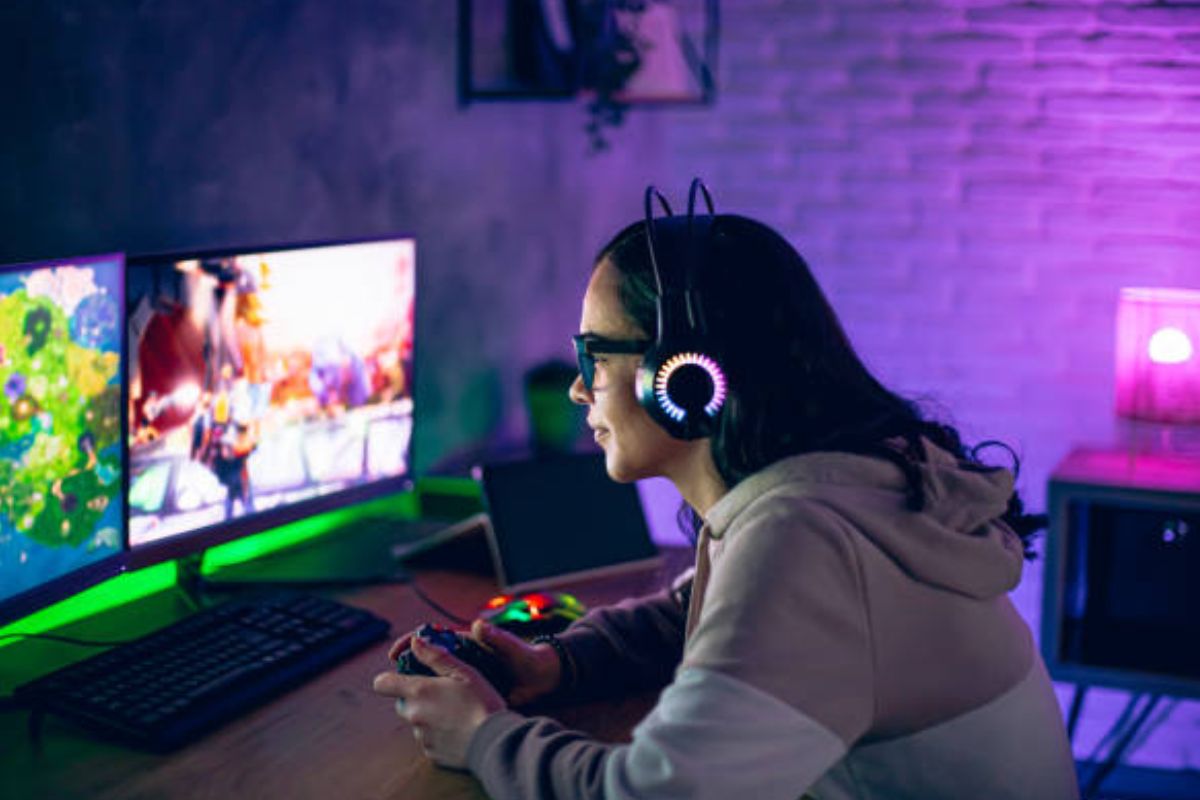
Most Asia-based players have a very practical mindset. We support original games, but we also hunt for “value for money.” Let’s be real—buying games on Steam or Epic is convenient, but aside from seasonal sales, we rarely get extra feedback from the platforms. Especially for office workers in KL, after rent, car loans, and utility bills, if playing a game can earn back a bit of “makan money,” why not? Recently, many insiders have been eyeing a new way to play via the Blockchain game store model. The smartest part of this platform is that it recognizes a player’s time and attention have value. Instead of letting players watch ads or do tasks for free, it quantifies these contributions into Play-to-earn mechanics. Simply put, every action you take—from signing in to buying a game or joining a community—is counted by the platform, which then rewards you with points or tokens.
When traditional buying meets blockchain rebates
Many Malaysian players are actually quite scared when they hear “blockchain” or “cryptocurrency,” thinking it’s too complex or even a scam. But honestly, today’s Web3 gaming platform has evolved to be very user-friendly. You don’t need to understand private keys or gas fees; the process is no different from buying on Taobao or reloading your e-wallet. In such a situation, an entity like The9bit usually leverages its background as a Nasdaq-listed company to secure official licenses from developers like Capcom. You can buy AAA hits like Resident Evil or Monster Hunter directly. The logic is very grounded: your money still goes toward the original game, but the platform uses Play-to-earn mechanics. to return a portion of the profit to you in the form of $9BIT tokens. Essentially, it’s a “high-tier membership point” system, except these points are more valuable because they are assets tradable on the secondary market.
More than just gaming—running a “digital side hustle”
What many people don’t know is that veteran players are already treating the Crypto gaming ecosystem as a form of micro-financial management. Basically, if you spend 5 minutes a day signing in or sharing a review, the accumulated points can be used to offset your next mobile game Reload. For Malaysian players who also play Honor of Kings or PUBG Mobile, this is the ultimate “gaming pays for gaming” strategy. This model is being watched closely in 2026 because it truly solves the “trust” issue. When you see these tokens listed on major exchanges like KuCoin, you know these points aren’t just empty promises. The Future of GameFi has moved from a vague slogan to something you can actually save in your digital wallet.
Official Website:https://the9bit.com
Email :support@the9bit.com
Common Questions About the Rebate Mechanism
We’ve gathered the most discussed topics in player circles to help you avoid pitfalls.