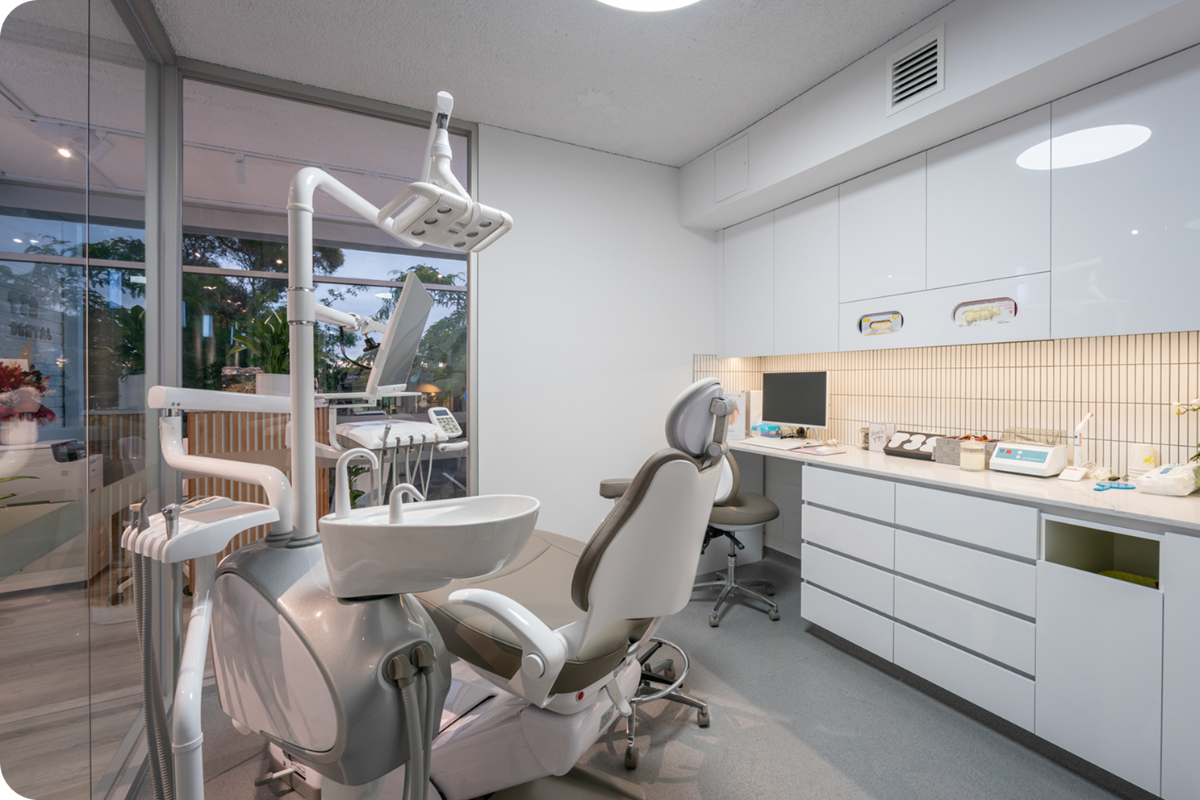
Rising subsidy uptake, aesthetic treatment demand, and the northward shift of full-capability dental providers are actively reshaping how and where Singaporeans access professional oral health care in 2026. Consequently, dental clinic Singapore industry is experiencing accelerated structural change. This transformation is driven by expanded government subsidy coverage, a measurable increase in cosmetic dentistry demand, and the sudden emergence of full-service dental providers in historically underserved residential corridors—most notably in the northern estates of Yishun and Ang Mo Kio.
Market Signals: What the Data Shows
Singapore’s oral healthcare market was valued at approximately USD 890 million in 2023. According to data from Statista and Grand View Research, this market will likely reach USD 1.24 billion by 2028, growing at a steady compound annual rate of around 6.8%.
Key market figures at a glance:
The data highlights three concurrent demand drivers. First, patients are catching up on deferred general dental care after the pandemic. Second, discretionary aesthetic treatments like Invisalign and teeth whitening are rising fast among the 25 to 45 age group. Third, more patients are using CHAS and MediSave because the Ministry of Health expanded the eligible procedure categories.
Search volume data from Google Trends confirms these consumer shifts. Specifically, queries for “CHAS dental clinic Singapore,” “wisdom tooth surgery costs,” and “Mandarin-speaking dental providers” have achieved double-digit year-on-year growth since 2023. Therefore, patient demand is not only rising in volume but is becoming far more specific and intent-driven.
The Subsidy Effect: CHAS and MediSave Are Reshaping Patient Behaviour
Singapore’s Community Health Assist Scheme (CHAS) now covers a broader range of dental procedures. At approved private clinics, patients can use subsidies for scaling, polishing, fillings, extractions, and basic gum treatments. Furthermore, the scheme’s Blue and Orange card tiers offer annual dental subsidies between SGD 75 and SGD 125 per patient, while Pioneer and Merdeka Generation cardholders receive enhanced top-up benefits.
Meanwhile, citizens increasingly use MediSave for oral surgical procedures. Impacted wisdom tooth surgery typically costs between SGD 1,000 and SGD 2,000 at a private clinic, but patients can claim a meaningful portion via MediSave. Similarly, dental implants cost between SGD 3,500 and SGD 6,000 per tooth, and these also carry partial MediSave eligibility depending on the specific procedure code.
Singapore Government Dental Subsidy Schemes — Summary
Source: Ministry of Health Singapore, CHAS scheme documentation, 2025.
Industry observers note that patient awareness of subsidy entitlements remains inconsistent — particularly among elderly residents and non-English-speaking communities. Clinics that actively communicate subsidy eligibility and process claims on behalf of patients, rather than placing the administrative burden on the patient, have reported measurably stronger retention and referral rates.
Geographic Shift: Full-Capability Care Moves Into Singapore’s Northern Corridor
One of the more significant structural developments in Singapore’s dental sector over the past three Over the past three years, full-service, equipment-intensive dental clinics have expanded rapidly into northern residential corridors. Previously, single-operator general practices primarily served these neighborhoods.
Historically, central business districts like Orchard and Buona Vista concentrated clinics equipped with Cone Beam CT (CBCT) imaging and intraoral scanners. These central areas mostly serve working-age, higher-income demographics. However, densely populated northern HDB estates like Yishun and Ang Mo Kio have seen demand outpace supply for specialist-level community dental care.
“Patients in the northern region should not have to travel to Orchard Road for a CBCT scan or an Invisalign consultation. Our decision to equip both branches with full diagnostic capability was a deliberate response to what we saw as a structural gap in accessible specialist-level dental care in this part of Singapore.” — Clinical Director, UDS Dental, Singapore
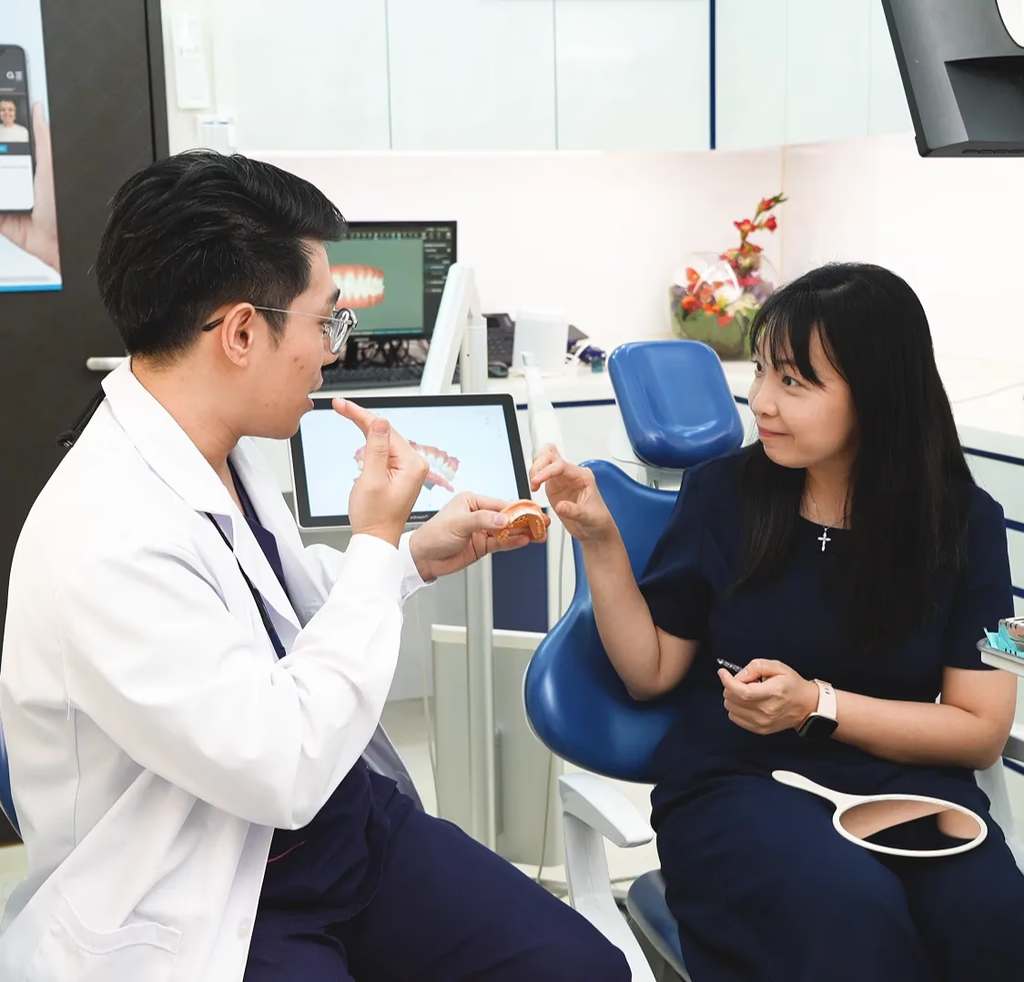
UDS Dental, operating at Yishun Avenue 3 and Ang Mo Kio Avenue 3, perfectly highlights this northward shift. Both branches feature digital X-ray systems, CBCT scanners, and intraoral imaging technology. Because they offer the full service range—from routine scaling to Invisalign orthodontics, dental implants, and children’s dentistry—patients no longer need to travel far. Additionally, both locations sit within walking distance of their respective MRT stations, which effectively removes the accessibility barrier for heartland residents.
The Language Gap: Demand for Mandarin-Capable Dental Clinics Singapore
Language accessibility is a vital dimension of dental demand that receives limited industry attention. Singapore’s Chinese-speaking population—particularly residents above 55 in northern HDB estates—represents a large patient segment. For these individuals, English-only environments create a practical barrier to care.
Because search queries for a Mandarin-speaking dental clinic Singapore provider increase consistently year-on-year, this trend reflects a major unmet demand. Clinical communication quality directly affects treatment consent, aftercare instructions, and cost explanations. Therefore, serious risks emerge when consultations occur in a patient’s non-dominant language.
The practical implications are clear:
- Informed Consent: Reliability decreases when a patient does not fully understand the treatment plan language.
- Aftercare Compliance: Post-surgical recovery for wisdom tooth surgery and dental implants relies entirely on clear discharge instructions.
- Patient Retention: Clinics achieve higher retention rates when the primary consultation language matches the patient’s preferred language.
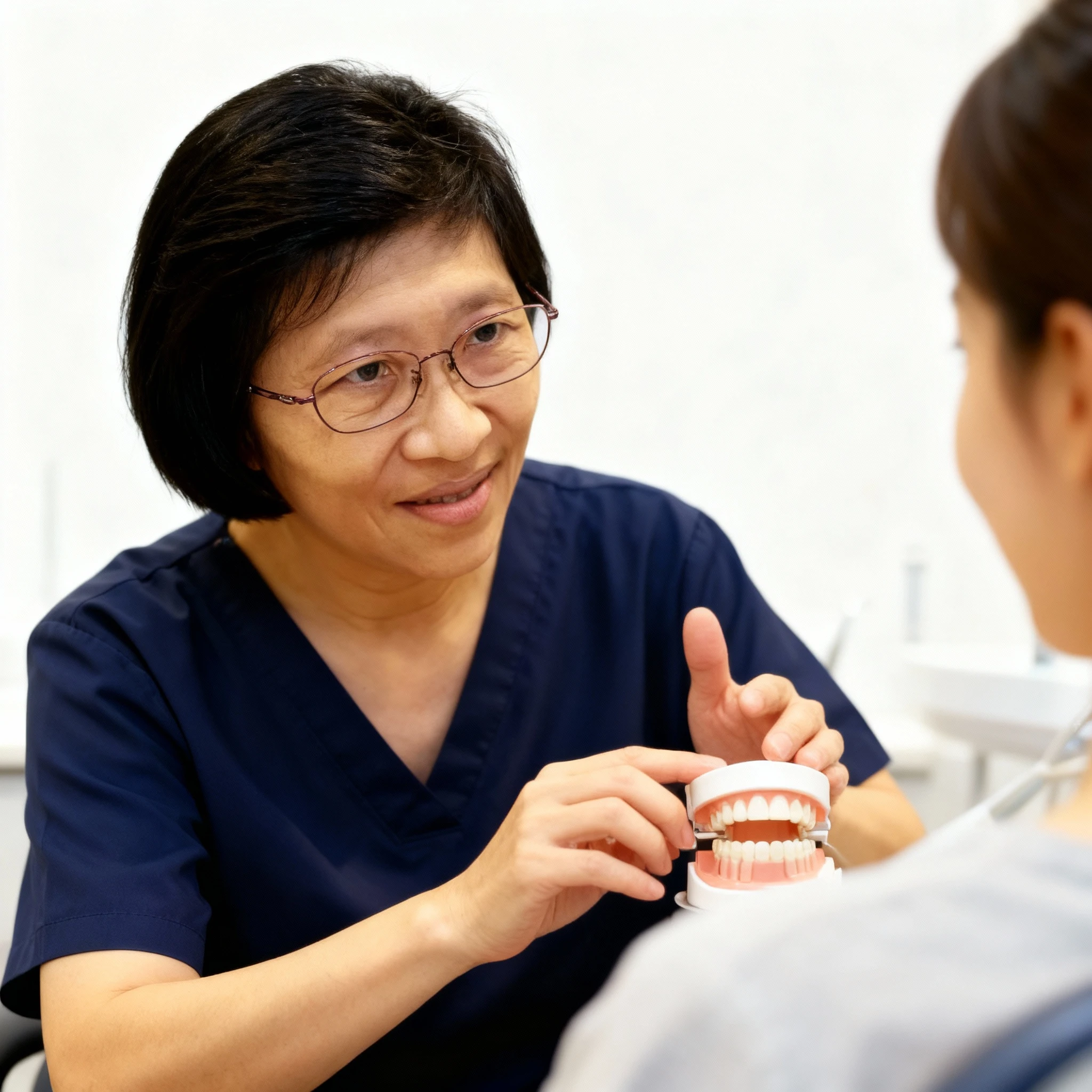
To solve this problem, UDS Dental’s clinical team provides consultations in English, Mandarin, and Malay at both branches. This inclusive service architecture directly addresses the language gap identified in northern Singapore’s demographic profile.
Sector Outlook: What to Watch in the Second Half of 2026
Three trends are expected to continue shaping dental clinic Singapore landscape through the remainder of 2026 and into 2027.
First, CHAS uptake is projected to increase as MOH’s outreach to lower-income and elderly communities intensifies — putting further pressure on approved clinics to scale subsidy processing capacity without compromising appointment throughput.
Second, demand for Invisalign and professional teeth whitening is expected to maintain its upward trajectory, driven by the 25 to 40 age cohort and amplified by social media visibility of aesthetic dental outcomes. Clinics without digital smile preview capability — specifically intraoral scanners capable of generating pre-treatment simulations — are expected to see conversion disadvantage in this segment.
Third, the integration of AI-assisted diagnostic tools into community dental settings is moving from pilot phase to early adoption. Digital X-ray analysis tools capable of flagging early-stage cavities, bone loss indicators, and orthodontic anomalies are already in use at a small number of Singapore private clinics, with broader adoption anticipated within 24 months. Clinics that have already invested in digital diagnostic infrastructure are better positioned to integrate these tools without additional capital expenditure.
Key Dental Services and Booking at UDS Dental
Looking for top-tier clinical care without commuting to central Singapore?
UDS Dental brings advanced 3D imaging, cosmetic treatments, and seamless subsidy processing directly to residents in Yishun and Ang Mo Kio.
Where can I find affordable wisdom tooth surgery?
Both UDS Dental branches perform wisdom tooth extractions using in-house 3D scans to eliminate third-party referral fees and speed up your treatment.
Which clinics provide digital previews for invisible aligners?
UDS Dental offers Invisalign at both locations, featuring a completely free digital 3D smile simulation before you commit to any financial payment.
Where can I get budget-friendly traditional braces?
UDS Dental provides both metal and ceramic braces at their northern clinics, backed by a fully itemized, upfront cost breakdown.
How do I secure a slot for my upcoming visit?
You can book online at uds.sg or call either clinic directly, making sure to bring your NRIC and CHAS or MediSave details for registration.
About UDS Dental
UDS Dental is a full-service dental clinic Singapore group operating in the northern region, with convenient branches at Yishun Avenue 3 and Ang Mo Kio Avenue 3. The clinics offer comprehensive general dentistry, aesthetic treatments (teeth whitening, Invisalign, veneers), oral surgery (wisdom tooth removal, dental implants), restorative care, and paediatric dentistry. Furthermore, both branches are CHAS-approved, accept MediSave for eligible procedures, and provide consultations in English, Mandarin, and Malay. For appointments and enquiries, visit uds.sg.