The US-Iran conflict has entered a defining new phase — and the clearest sign of that shift came not from a general or a diplomat, but from the vice president himself. As the Strait of Hormuz crisis deepens, American households are feeling the war’s consequences at the gas pump, and that economic pain has fundamentally reordered Washington’s strategic priorities. With the Strait of Hormuz shutdown tightening Iran’s grip on global oil supply, the Trump administration has openly acknowledged that keeping fuel affordable for American consumers now outranks even the long-stated goal of preventing Iran from acquiring a nuclear weapon.
Cheap Gas Over Nuclear Fears: How the Strait of Hormuz Reshuffled US War Priorities
The Strait of Hormuz — the world’s most critical fuel supply conduit — was open when the United States and Israel launched their offensive against Iran in late February 2026. Iran’s decision to all but shut it down in retaliation transformed the waterway into the war’s most consequential battlefield.
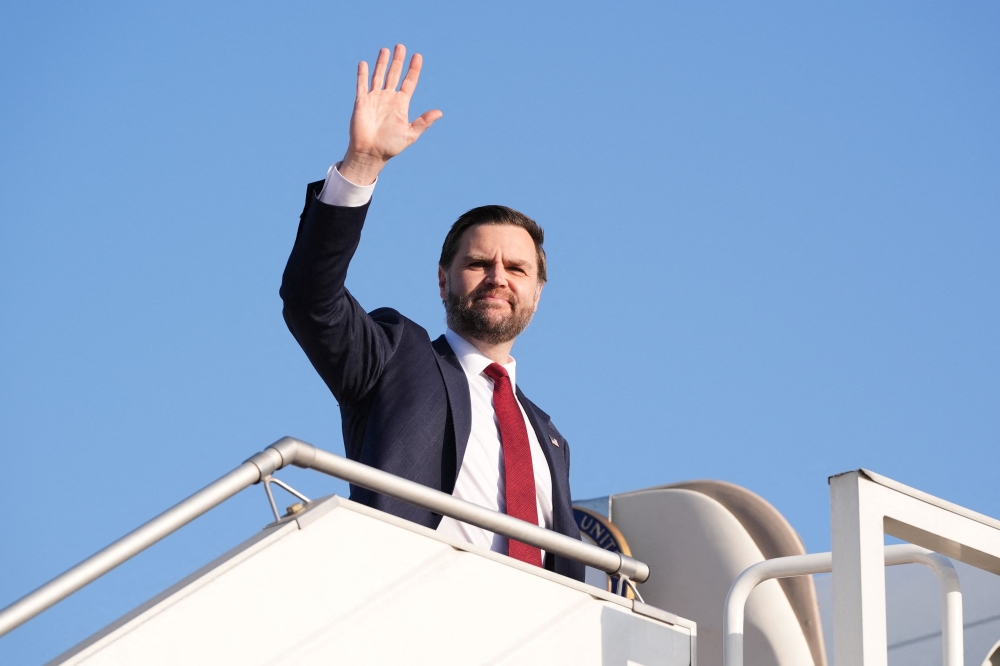
Vice President JD Vance made the new order of priorities explicit during an appearance on Fox News. “I know that oil is down today and it’s way down from the highs in the early days of the conflict,” Vance said. “That’s goal number one — keep oil and gas cheap for Americans all over our country. And then obviously goal number two is ensure that Iran never gets a nuclear weapon.”
That statement represents a remarkable reversal. Throughout the lead-up to and early months of the war, preventing Iranian nuclear capability was consistently cited by President Donald Trump as the central justification for military action. The Strait of Hormuz closure has effectively flipped that equation, handing Tehran a bargaining chip that Washington is struggling to counter.
Iran’s Conditions Signal a Prolonged Standoff, Not a Quick Resolution
Iran has presented a sweeping list of demands in exchange for reopening the Strait of Hormuz — conditions the Trump administration is widely considered unlikely to accept. Tehran is demanding an end to the war on all fronts, the lifting of the US blockade of Iranian ports, the removal of sanctions, the release of frozen assets, and compensation for wartime damage.
Those terms mirror the provisions of a memorandum of understanding reached in June 2026, which collapsed as fighting resumed. That earlier agreement had included a provision establishing a US$300 billion reconstruction fund for Iran.
With diplomacy stalled, the administration has shifted toward economic attrition. Treasury Secretary Scott Bessent announced that new economic measures targeting Iran are expected within days, warning that Iran faces isolation “like the world has never seen before.”
President Trump, for his part, described the current posture bluntly: “We are low-keying it. We are only semi-negotiating with them. We are just watching Iran with its huge inflation and the fact they have no money.”
Military Options Narrowed as Weapons Stockpiles Run Low
The US military’s capacity to resume large-scale strikes on Iran has reportedly been constrained by the depletion of high-tech missile stockpiles burned through in the months following the war’s February 2026 start. Billions of dollars in munitions have been expended, and reports indicate that restocking timelines are limiting Trump’s ability to credibly threaten a resumption of major attacks.
Vance, who has been among the administration’s more skeptical voices regarding the offensive from its outset, acknowledged the dual-track nature of the current approach. “Sometimes we’re focused on the energy piece of it because we want Americans to be able to afford the price of oil and gas. Sometimes we’re obviously focused on the military… on the nuclear program,” he said.
This acknowledgment underscores that the war’s framing — once defined by security and nonproliferation arguments — is now being managed as much through an economic and domestic political lens as a military one.
Political Pressure at Home Intensifies as Midterms Approach
The war’s domestic political consequences are mounting. Trump’s approval rating has declined, public support for the conflict has eroded, and Republicans are increasingly anxious about the November midterm elections. The concern is direct: soaring gasoline prices caused by the Strait of Hormuz closure could cost the party its congressional majority.
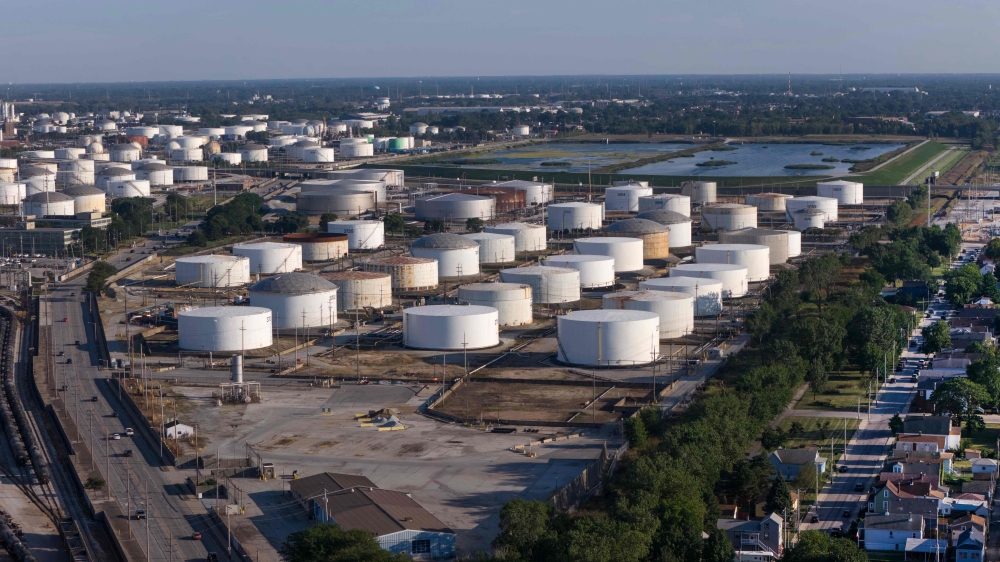
Before the conflict began, the strait handled an enormous share of global oil transit. Its prolonged closure has sent fuel costs surging, hitting American consumers at a time when economic anxiety was already elevated. The administration’s pivot toward treating oil prices as the primary war metric reflects the reality that Republican electoral prospects are now tied to the pump price.
Trump had signalled as recently as days before Vance’s Fox News appearance that a deal to reopen the strait was imminent. That optimism has since given way to a longer-haul strategy centred on squeezing Iran economically while avoiding the domestic and logistical risks of escalated military action.
Here’s What You Need to Know About the US-Iran Strait of Hormuz Crisis
What is the Strait of Hormuz and why does it matter? The Strait of Hormuz is the world’s most critical maritime chokepoint for oil and fuel supply, connecting the Persian Gulf to global markets. A significant share of global petroleum exports transits the strait daily, making its closure a direct threat to international energy prices.
When did the US-Iran war begin? The United States and Israel launched military action against Iran in late February 2026, after which Iran retaliated by all but shutting down the Strait of Hormuz.
What is now the US’s stated top priority in the Iran war? Vice President JD Vance stated on Fox News that the top priority is now keeping oil and gas prices low for American consumers, with preventing Iran from obtaining a nuclear weapon listed as the second priority.
What economic measures is the US threatening against Iran? Treasury Secretary Scott Bessent announced that new economic sanctions or isolation measures targeting Iran are expected within days of his statement, describing the level of economic pressure as unprecedented.
What are Iran’s conditions for reopening the Strait of Hormuz? Iran has demanded an end to all hostilities, the removal of the US port blockade, the lifting of sanctions, the release of frozen Iranian assets, and compensation for war damage — terms that mirror a collapsed June 2026 memorandum of understanding that had included a US$300 billion reconstruction fund provision.
Why has the US scaled back military operations against Iran? Reports indicate that US military stockpiles of high-tech missiles and other precision weapons have been significantly depleted since the war began in February 2026, limiting Trump’s practical options for resuming large-scale strikes.
How is the Iran war affecting US domestic politics? President Trump’s approval rating has fallen, the war is broadly unpopular among American voters, and Republicans fear that high gasoline prices resulting from the Strait of Hormuz closure could cost them control of Congress in the November 2026 midterm elections. — AFP / Malay Mail