Malaysia’s worsening haze crisis has directly disrupted the daily lives of hundreds of thousands of families, with parents scrambling to make last-minute childcare arrangements and students losing precious classroom time. The Air Pollutant Index (API) readings surging past safe thresholds in multiple states triggered an urgent government response — and on October 9, 2026, Education Minister Datuk Seri Fadhlina Sidek confirmed that school closures due to haze would take effect immediately across six states and the Federal Territories.
Schools in Johor, Selangor, Melaka, and Three Other Regions Shut Down as Haze API Readings Exceed Safe Limits
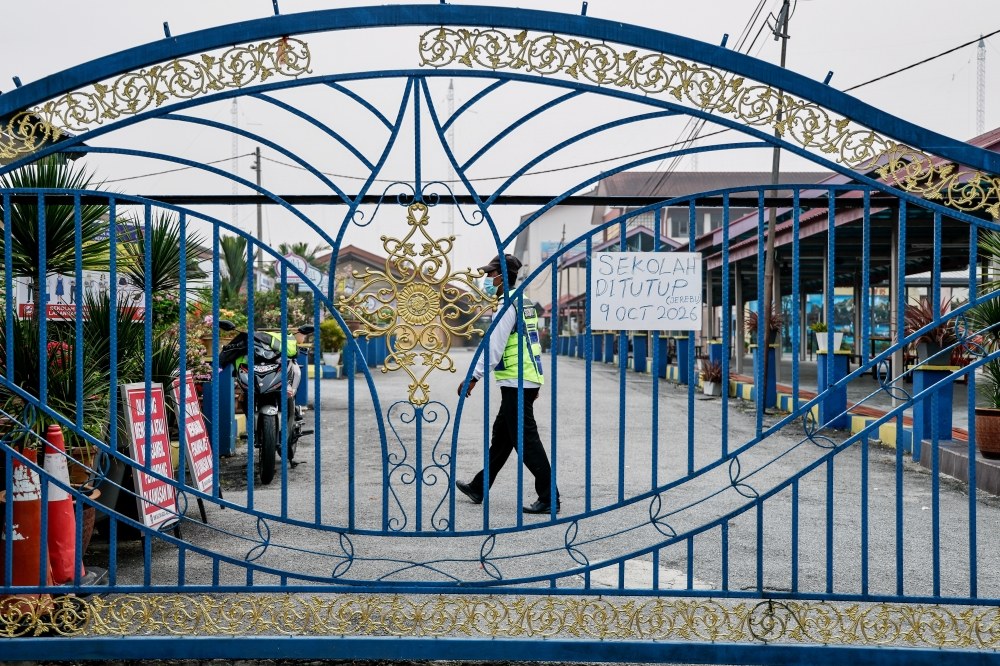
All schools in Johor, Melaka, Negeri Sembilan, and Selangor, as well as the Federal Territories of Kuala Lumpur and Putrajaya, and the Rompin district in Pahang, are closed on October 9, 2026, due to dangerous haze conditions. Education Minister Datuk Seri Fadhlina Sidek made the announcement via Facebook the night before closures took effect, giving parents limited but direct notice of the disruption.
The closures are grounded in real-time Air Pollutant Index data. The Negeri Sembilan Education Department (JPNS) based its closure decision on API readings recorded at three monitoring stations — Port Dickson, Seremban, and Nilai — as of 5pm. The Melaka state education department cited a Department of Environment report confirming that API levels in key areas had exceeded 150, breaching unhealthy thresholds. In Kuala Lumpur, closures were triggered by readings at the Cheras and Batu Muda monitoring stations recorded at 2pm, while the Putrajaya Education Department acted on 5pm station data.
Selangor Islamic Religious Department (JAIS) director Datuk Mohd Shahzihan Ahmad additionally announced the full closure of all state religious schools under JAIS, with a directive advising private Islamic schools registered with the department to follow the same ruling.
States Unaffected by Closures Continue Normal School Operations While Authorities Monitor Haze Conditions
School operations in Perlis, Perak, Penang, Sabah, Sarawak, and Labuan proceed as normal on October 9, as API readings in those states have not reached levels requiring closures. Fadhlina confirmed this directly in her announcement, drawing a clear geographical line between affected and unaffected regions.
The minister did not leave monitoring to chance. She stated that all State Education Departments (JPN) and District Education Offices (PPD) have been instructed to continuously track haze conditions and take immediate action should the situation deteriorate in currently unaffected areas. This instruction reflects a nationwide readiness posture, ensuring that no community is caught unprepared if conditions worsen.
Home-Based Teaching and Learning Activated to Protect Students Without Halting Education
For all schools forced to close, the Education Ministry has activated Home-Based Teaching and Learning, known as PdPR, to maintain educational continuity throughout the closure period. Schools affected by the haze closure are required to implement PdPR with consideration for students’ individual capabilities, access to devices, specific needs, and teacher readiness.
Teachers and implementation support group (AKP) personnel at affected schools are also permitted to work from home during the closure period, under a directive from the Education Minister. This arrangement ensures that staff are not required to commute through hazardous air quality conditions while still remaining operationally available to support students remotely.
Ministry Prioritises Student and Staff Safety, Pledges Earlier Announcements for Future Closures
Safety and health of students and school staff are the ministry’s stated top priority in managing the haze crisis. Fadhlina acknowledged directly that last-minute closure announcements create genuine hardship for working parents who rely on school schedules to plan their days, and she committed to issuing future closure decisions earlier so that families have sufficient time to make arrangements.
Parents in affected areas have been advised to monitor official announcements from their respective schools, District Education Offices (PPD), and State Education Departments (JPN) for the most current and accurate information. Relying on official channels, rather than unverified social media updates, is the surest way for families to stay accurately informed as the haze situation evolves.
What You Need to Know About Malaysia’s Haze-Related School Closures
Which states have schools closed on October 9, 2026? Schools are closed in Johor, Melaka, Negeri Sembilan, Selangor, the Federal Territories of Kuala Lumpur and Putrajaya, and the Rompin district in Pahang.
Which states are unaffected and continuing normal school operations? Schools in Perlis, Perak, Penang, Sabah, Sarawak, and Labuan are operating as usual on October 9, 2026.
What is the API threshold that triggers school closures? The Education Ministry has set an API reading exceeding 180 as the threshold requiring school closures, as announced on October 8, 2026. Individual state education departments also acted on readings exceeding 150 in their respective areas.
What happens to students’ learning during the school closure? All schools affected by haze-related closures must implement Home-Based Teaching and Learning (PdPR), taking into account students’ device access, individual needs, and teacher readiness, to ensure education continues without interruption.
Are teachers required to go to school during the closure? No. Teachers and implementation support group (AKP) personnel at affected schools are permitted to work from home throughout the closure period, as directed by Education Minister Datuk Seri Fadhlina Sidek.
Where should parents get official updates on school closure decisions? Parents are advised to follow official announcements from their children’s schools, District Education Offices (PPD), and State Education Departments (JPN), rather than relying on unverified social media sources.
Who announced the haze school closures and when? Education Minister Datuk Seri Fadhlina Sidek announced the closures via a Facebook post on the night of October 8, 2026, with the closures taking effect from October 9, 2026.
Malaysia’s haze crisis is a community-wide challenge that places the heaviest burden on everyday families — parents, students, and teachers navigating uncertainty with little notice. The Education Ministry’s decision to close schools in the six most severely affected states, activate Home-Based Teaching and Learning, and pledge earlier future announcements reflects a commitment to protecting both public health and educational continuity. Families in affected areas should continue checking official school, PPD, and JPN channels for real-time updates as haze conditions remain subject to rapid change.