Malaysia’s waste management challenge is not simply a logistical problem — it is a cultural one. Millions of households across the country continue to discard recyclable materials alongside general waste, and without consistent, early education on waste separation, enforcement-driven campaigns alone cannot produce lasting change. Housing and Local Government Minister Nga Kor Ming has pointed to Japan’s recycling model as a blueprint worth adopting, arguing that the habit of separating waste at source must be instilled from childhood if Malaysia is to make a genuine shift toward a circular economy.
Rooted in a Vision for Cleaner Malaysian Communities: Why Japan’s Approach Matters Now
Japan’s waste management system has long been recognised as one of the most disciplined in the world, and Minister Nga Kor Ming’s recent call to action draws directly from that example. Speaking following a courtesy visit to Japanese Ambassador to Malaysia Noriyuki Shikata at the ambassador’s official residence in Kuala Lumpur, Nga made clear that Malaysia’s ambitions go beyond recycling bins and government campaigns.
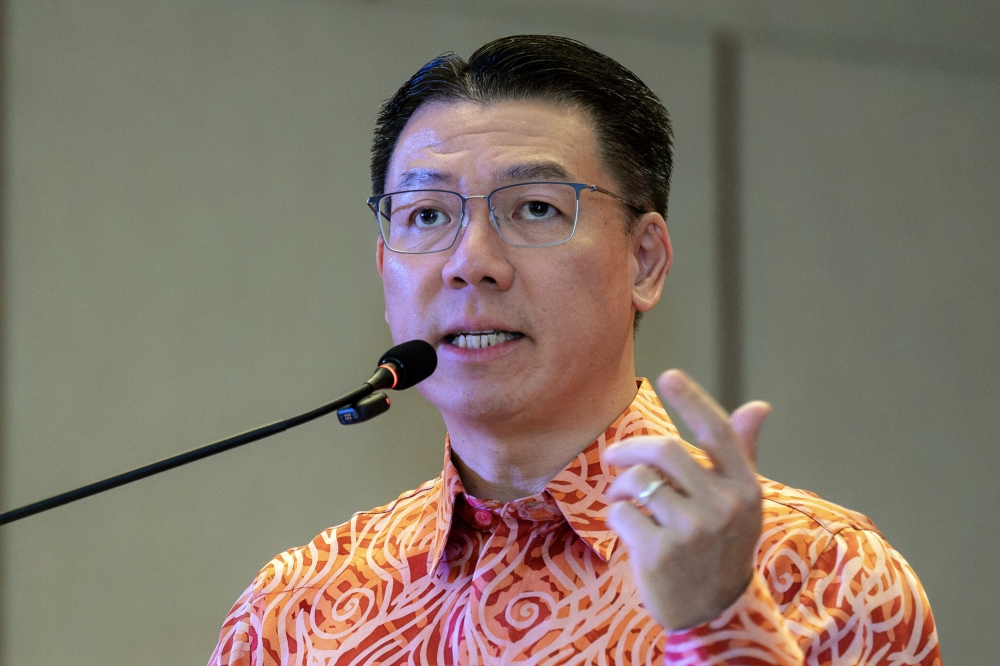
“Japan is well known for its efficient waste management system and strong culture of cleanliness,” Nga said. “In Japan, separating waste at source has become part of everyday life. This is something we can learn from.”
For years, Malaysia’s local communities have grappled with the gap between recycling infrastructure and actual behaviour. Providing the physical tools for recycling without changing the habits of residents has produced limited results. The minister’s appeal to look at Japan’s model — where waste separation is woven into the daily routines of ordinary citizens — reflects a recognition that sustainable change must be rooted in community culture, not compliance.
Teaching Waste Separation From Young Brings Lasting Community Value
The services and reforms being advanced under Malaysia’s circular economy push directly address a practical problem long faced by local residents: recyclable waste ending up in landfills because households were never taught how, or why, to separate it.
Minister Nga was unambiguous on this point. “Good habits must start from young. We should teach our children about waste separation, recycling and keeping our surroundings clean, so that cleanliness becomes part of our culture and not something we do only because of enforcement,” he stated.
This community-level impact is significant. When children learn waste separation at school and carry those habits home, entire households shift their behaviour — enabling more everyday families to contribute meaningfully to national environmental goals. Japan’s example demonstrates that a population-wide recycling culture, once embedded in childhood education, becomes self-reinforcing across generations.
Beyond education, Malaysia has already introduced concrete measures to support this transition:
- The National Circular Economy Blueprint provides a policy framework for sustainable waste management.
- The National Circular Economy Council (NCEC) coordinates government-wide implementation.
- Shopping malls are now required to provide recycling facilities as part of their licensing conditions.
- Ongoing efforts to phase out single-use plastic bags continue to reduce waste at source.
These practical solutions bring direct, measurable benefit to residents and local communities, reducing the environmental burden that falls disproportionately on lower-income neighbourhoods located near waste disposal sites.
Inclusive Policy Means All Malaysian Residents Benefit From a Greener Future
It has come to light that the Malaysian government is committed to making the transition to a circular economy accessible to all residents, regardless of background or location. The waste separation and recycling reforms being pursued are not designed for environmentally aware urban households alone — they are intended to reach every community across the country.
The proposed Memorandum of Understanding (MoU) between Malaysia and Japan, which the Cabinet approved last month, is structured to facilitate the exchange of expertise, technology, and best practices between the two nations. Critically, this cooperation is designed to benefit ordinary Malaysians directly, including underserved communities and first-time recyclers who have not previously had access to clear guidance or infrastructure.
Japanese Ambassador Noriyuki Shikata has also extended an invitation for the Malaysian delegation to attend GREEN×EXPO 2027 in Yokohama — an international platform focused on smart and sustainable cities that could open further channels for practical, community-level cooperation.
The drive to normalise waste separation from a young age means that no household is left behind. Whether a family lives in a high-rise apartment in Kuala Lumpur or a terrace house in a smaller town, the expectation — and the support — for responsible waste management will apply equally.
Cabinet-Approved MoU With Japan Gives Malaysian Communities Assured, Verified Progress
Safety and accountability are what Malaysian community residents rightly expect from any major policy initiative. The Cabinet approval of the Malaysia-Japan MoU last month provides exactly that assurance. This is not an informal suggestion or a pilot programme — it is a government-sanctioned framework that residents can track and hold their representatives accountable to.
Minister Nga Kor Ming met Japanese Ambassador Noriyuki Shikata at the ambassador’s official residence in Kuala Lumpur to discuss the cooperation framework, which is expected to bring Japan’s decades of accumulated expertise in waste classification, technology, and community education directly to Malaysian shores.
“By combining Japan’s experience and technological expertise with Malaysia’s ongoing reforms, we can accelerate our transition towards cleaner, greener and more sustainable cities,” Nga said.
Malaysia’s National Circular Economy Blueprint and the NCEC provide the institutional backbone for this transition — independently verifiable frameworks that give local communities confidence that the government’s commitments are structured, monitored, and designed to deliver long-term results. This is not a promise built on vague timelines, but on an approved policy architecture already in motion.
Here’s What You Need to Know About Malaysia’s Japan-Inspired Recycling Push
What did Malaysia’s Housing Minister say about Japan’s recycling model? Housing and Local Government Minister Nga Kor Ming stated that Japan’s practice of separating waste at source has become part of everyday life and that Malaysia can learn from Japan’s efficient waste management system and strong culture of cleanliness.
Why does Malaysia want to teach waste separation from a young age? Minister Nga Kor Ming said that good habits must start from young, and that children should be taught about waste separation and recycling so that cleanliness becomes part of Malaysia’s culture rather than something enforced by regulations.
What is the Malaysia-Japan MoU on circular economy cooperation? The Malaysian Cabinet approved a Memorandum of Understanding between Malaysia and Japan last month to facilitate the exchange of expertise, technology, and best practices in circular economy and waste management between the two countries.
What measures has Malaysia already introduced to support the circular economy? Malaysia has introduced the National Circular Economy Blueprint, established the National Circular Economy Council (NCEC), required shopping malls to provide recycling facilities as part of licensing requirements, and continued efforts to phase out single-use plastic bags.
What is GREEN×EXPO 2027 and why is it relevant to Malaysia? GREEN×EXPO 2027 is an international exhibition to be held in Yokohama, Japan, focused on smart and sustainable cities. Japanese Ambassador Noriyuki Shikata invited Malaysia’s delegation to attend, as it could provide further opportunities for bilateral cooperation on sustainable urban development.
How does Japan’s recycling model benefit ordinary Malaysian residents? Japan’s model of embedding waste separation into daily routines and community education reduces the amount of recyclable material that ends up in landfills, ultimately improving environmental conditions for all residents — including those in communities located near waste disposal sites.
What role does community education play in Malaysia’s waste management strategy? Community education, particularly teaching children to separate waste from a young age, is central to Malaysia’s strategy because it creates lasting behavioural change that carries beyond enforcement and builds a self-sustaining culture of environmental responsibility across generations.
A Cleaner Malaysia Begins With Every Household — and Every Child
Malaysia’s decision to study Japan’s recycling model and pursue a Cabinet-approved cooperation framework with Tokyo marks a meaningful step toward the kind of community-wide environmental culture that enforcement alone cannot create. The path to a circular economy runs through schools, households, and neighbourhoods — and the government’s commitment to educating children on waste separation, backed by the National Circular Economy Blueprint and the Malaysia-Japan MoU, provides a clear and accountable roadmap.
Every Malaysian resident has a role to play. Stay informed about local recycling initiatives in your area, encourage your children’s schools to incorporate waste separation into their curriculum, and support the transition by using the recycling facilities already required at shopping malls nationwide.
For further information on Malaysia’s circular economy initiatives, visit the Ministry of Housing and Local Government (KPKT) official channels or contact your local municipal authority for community recycling programmes available in your district.