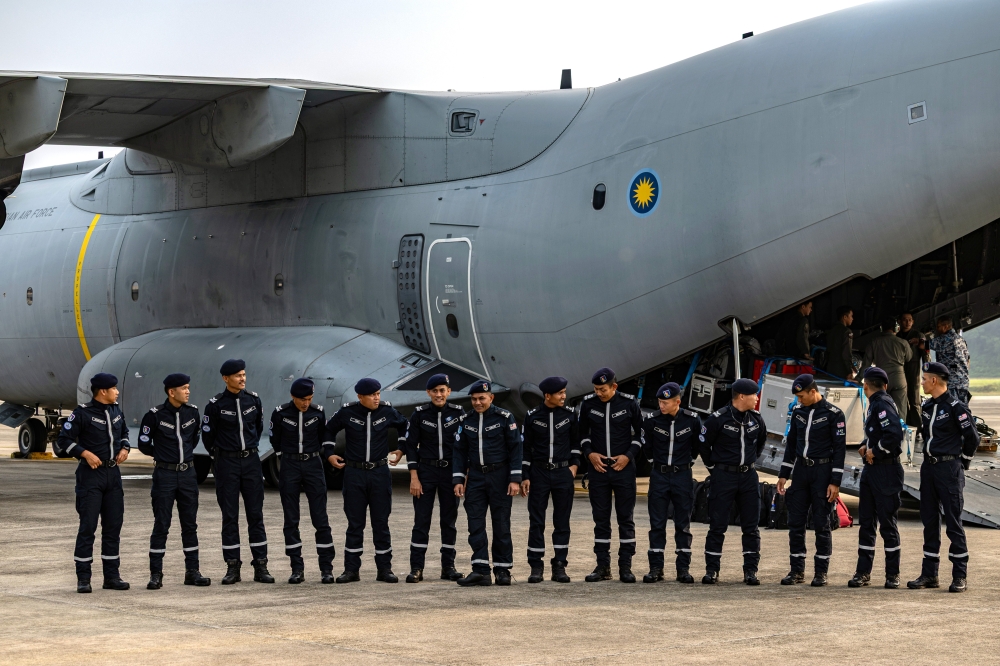
The Malaysia SMART team has completed its Humanitarian Assistance and Disaster Relief (HADR) mission in Nepal, touching down safely on Malaysian soil at 2am on September 14, 2026. For Malaysians who have been closely following the devastating flash floods and landslides that struck Nepal — and anxiously awaiting news of missing compatriots — the safe return of all 11 team members brings a measure of relief to a story that has gripped the nation for nearly two weeks.
Rooted in a Spirit of Service: How Malaysia’s SMART Team Answered Nepal’s Call
Malaysia’s Special Malaysia Disaster Assistance and Rescue Team (SMART) has long been an important presence in international disaster response, consistently deploying its expertise whenever communities — at home or abroad — face catastrophe. For this mission, SMART answered Nepal’s call without hesitation, mobilising as the SMART MAS01 team under the Humanitarian Assistance and Disaster Relief framework.
The team departed for Kathmandu on September 5, 2026, arriving via Tribhuvan International Airport. They carried with them 12.4 tonnes of search and rescue (SAR) equipment — a tangible demonstration of Malaysia’s commitment to providing dependable, professionally equipped relief to disaster-stricken communities. SMART operates under official government mandate, giving both Malaysians and partner nations confidence that every deployment meets rigorous professional and safety standards.
Bringing Real Relief to Nepal: The Practical Impact of SMART’s Nine-Day Mission
The services provided by the SMART team directly addressed the urgent, life-or-death needs created by Nepal’s flash floods and landslides. Over the course of the nine-day deployment, the team worked alongside Nepali rescue authorities and international partners in active search and rescue operations.
One of the most significant contributions came in the form of specialised equipment. Before departing, the team handed over drones and other SAR tools to Nepali rescue teams, ensuring that search operations for flood and landslide victims could continue uninterrupted even after the Malaysian contingent returned home. This handover reflects a community-centred approach to disaster relief: the mission’s value to local Nepali residents did not end when the Malaysian team boarded their aircraft — it continued in the hands of those who remain on the ground.
For ordinary Nepali families still searching for missing loved ones, the equipment and expertise left behind by the SMART team represents a meaningful, lasting contribution to the community’s recovery.
A Mission Accessible to All Who Need It: Malaysia’s Inclusive Approach to Disaster Relief
It has come to light that Malaysia’s approach to international humanitarian relief is built on a principle of inclusive service — deploying assistance based on need, not political or geographic barriers. The SMART MAS01 team’s Nepal deployment was activated in direct response to the humanitarian crisis affecting everyday families in Nepal’s Nuwakot district and beyond.
The mission served communities without distinction: whether victims were in accessible areas or remote terrain, the team’s drones and SAR equipment were deployed to reach them. This no-barriers approach to disaster relief means that underserved communities — those in the most difficult-to-reach locations — are precisely the ones the mission prioritised. Malaysia’s HADR framework is designed to ensure that professional rescue support reaches those who need it most, including first-time recipients of international disaster assistance.
All 11 Members Confirmed Healthy: Ensuring Safety and Accountability for Malaysians
Safety is what community residents care about most, and upon the SMART team’s return, that concern was addressed immediately. SMART commander Senior Fire Superintendent I (PgKB 1) Abdul Manaf Che Isa confirmed that all 11 mission members underwent health screenings conducted by Ministry of Health officials upon arrival at RMAF Subang Air Base. Every team member was confirmed to be in good health.
The team departed Kathmandu at 3pm local time on September 13, 2026, aboard a Royal Malaysian Air Force (RMAF) A400M aircraft, making a scheduled refuelling stopover in Kolkata, India, before landing at Subang at 2am on September 14. The transparent, step-by-step confirmation of the team’s journey — from departure to health clearance — reflects the long-standing accountability that has made SMART a trusted institution in Malaysian public life. Foreign Minister Datuk Seri Mohamad Hasan had previously announced that the team was scheduled to return on Saturday or Sunday, and the mission concluded within that confirmed timeframe.
Here’s What You Need to Know About Malaysia’s SMART Nepal Mission
What is the SMART team and what did they do in Nepal? The Special Malaysia Disaster Assistance and Rescue Team (SMART) is Malaysia’s official disaster response unit. The SMART MAS01 team deployed to Nepal on September 5, 2026, to carry out a Humanitarian Assistance and Disaster Relief (HADR) mission in response to deadly flash floods and landslides affecting communities including Nepal’s Nuwakot district.
When did the SMART team return to Malaysia from Nepal? The SMART team arrived safely in Malaysia at 2am on September 14, 2026, landing at RMAF Subang Air Base after departing Kathmandu at 3pm local time on September 13, 2026.
How did the SMART team travel back from Nepal? The team flew from Kathmandu’s Tribhuvan International Airport aboard a Royal Malaysian Air Force (RMAF) A400M aircraft, with a refuelling stopover in Kolkata, India, before landing at RMAF Subang Air Base in Malaysia.
How many team members were part of the Nepal HADR mission? Eleven SMART team members participated in the Nepal humanitarian relief mission. All 11 members were confirmed in good health following health screenings by Ministry of Health officials upon their return.
How much equipment did the SMART team bring to Nepal? The SMART MAS01 team carried 12.4 tonnes of search and rescue (SAR) equipment when they arrived in Nepal on September 5, 2026.
What happened to the SMART team’s equipment after they left Nepal? Before departing Nepal, the SMART team handed over equipment including drones to Nepali rescue teams. This ensures that search and rescue operations for victims of the Nepal flash floods and landslides can continue after the Malaysian team’s return.
Who confirmed the SMART team’s safe return and health status? SMART commander Senior Fire Superintendent I (PgKB 1) Abdul Manaf Che Isa confirmed the team’s safe arrival and that all 11 members had cleared health screenings, as reported by Bernama on September 14, 2026.
Malaysia’s SMART Team: A Nation’s Commitment to Humanitarian Service
The safe return of all 11 SMART team members marks the completion of a mission that reflects the best of Malaysia’s humanitarian values — professional, prepared, and genuinely committed to helping communities in need. The SMART MAS01 Nepal deployment demonstrates that Malaysia stands ready to provide meaningful disaster relief support beyond its own borders, leaving behind not just completed operations but lasting tools and capacity for affected communities to continue their recovery.
Malaysians with questions about the SMART team’s Nepal mission or ongoing relief efforts can follow updates from Bernama and the official channels of Malaysia’s Ministry of Foreign Affairs and the Fire and Rescue Department of Malaysia (Bomba), which oversees SMART operations.