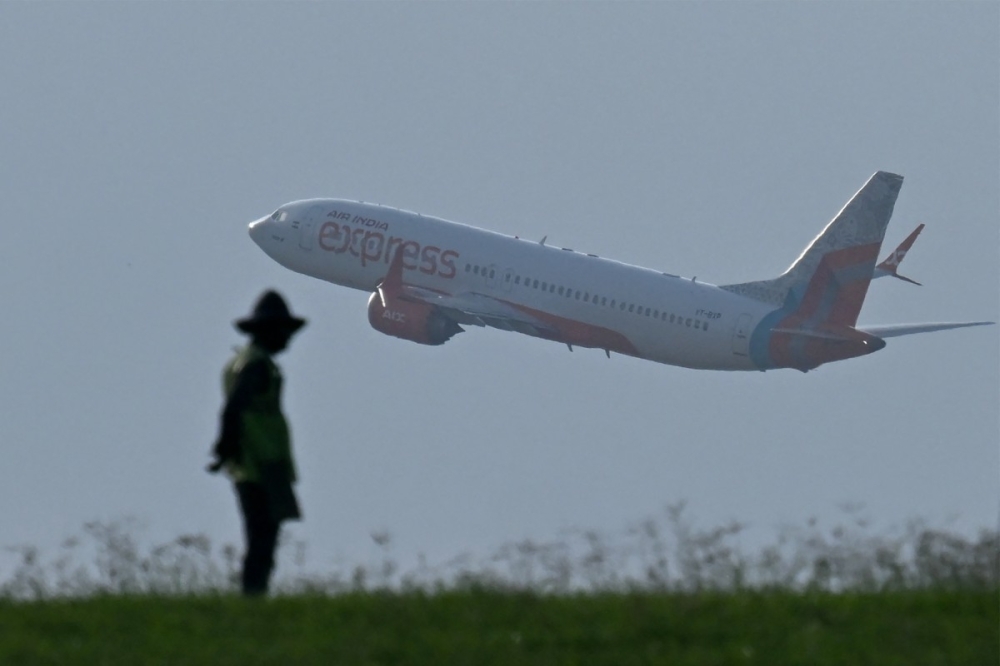
The global shipping community and international observers face an unsettling new reality: the Strait of Hormuz — one of the world’s most critical energy transit chokepoints — has become the center of a geopolitical storm, with the US-Iran conflict pushing global oil markets and diplomatic norms to their limits. For nations dependent on stable energy flows through this waterway, including major Asian economies, the stakes could not be higher. Now, President Donald Trump has made a declaration that has sent shockwaves through international circles — his intention to claim the Strait of Hormuz as US territory.
Rooted in Confrontation: How the US-Iran War Reshaped Control Over the Strait of Hormuz
The US-Iran conflict that began on February 28 fundamentally altered the strategic balance over the Strait of Hormuz, a narrow waterway through which a significant share of the world’s oil and gas supplies passes. Trump, acting alongside Israel, launched the war with two stated objectives: dismantling Iran’s controversial nuclear program and triggering a popular uprising within Iran. Neither goal has been fully achieved, and the conflict has since settled into a grinding stalemate. Iran responded to the US-Israel offensive by establishing de facto control over much of the strait, effectively weaponizing one of the world’s most indispensable shipping corridors.
The US has since mounted a naval blockade of Iranian ports in an attempt to cripple Iran’s economy, restricting civilian shipping access across the waterway. The blockade represents the United States’ primary lever of pressure — but it has also created considerable disruption to international trade and energy supply chains.
Trump’s Territorial Claim Directly Addresses the Shipping Stalemate Long Afflicting Global Energy Markets
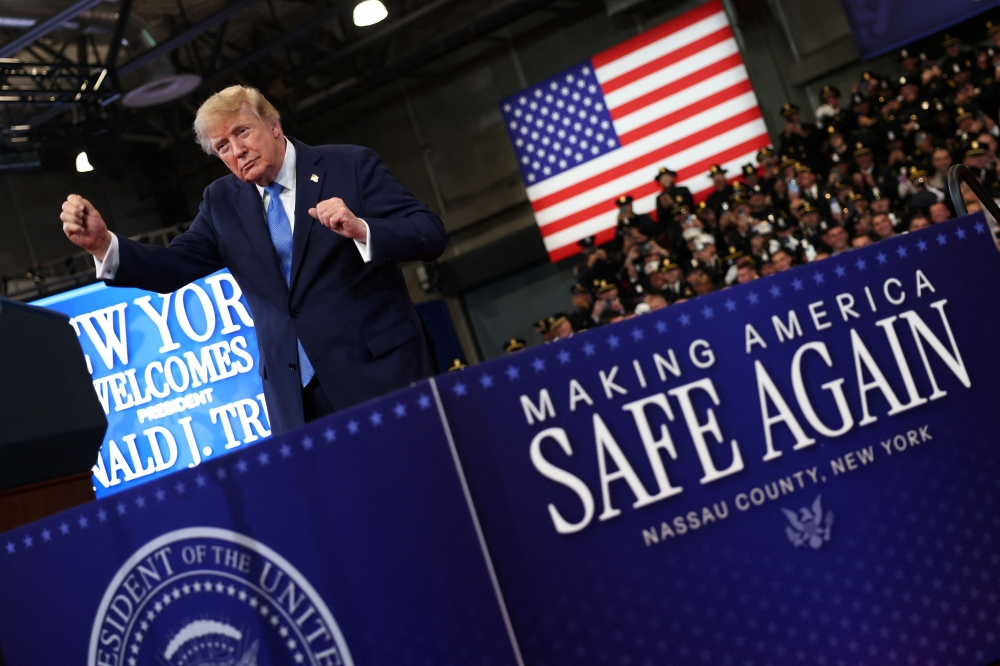
Speaking at a political rally held at a police academy in Garden City, New York on August 14, 2026, President Trump announced his territorial ambitions for the strait with characteristic bluntness. “After we finish defeating Iran, which is being very badly defeated — pretty soon I’ll be declaring the Hormuz Strait a territory of the United States,” Trump told a cheering crowd of supporters and police officers, adding “It’s true” with a chuckle.
Trump further described the current state of US naval dominance over the waterway: “We have the blockade. No ships get through unless we want them to.” The remarks signal that Trump views control over the Strait of Hormuz not merely as a wartime tactical position, but as a permanent geopolitical acquisition — one that would give the United States unprecedented leverage over global energy flows. For everyday economies dependent on affordable, uninterrupted oil supplies, Trump’s claim raises urgent questions about who ultimately controls the arteries of global commerce.
Regardless of Geopolitical Alignment, Every Nation That Relies on the Strait Faces Inclusive Disruption
It has come to light that the ongoing conflict has rendered the strait inaccessible to much of normal civilian shipping traffic, with Iran denying passage to vessels it deems hostile, and the US Navy enforcing its own restrictions through the naval blockade. This dual layer of access control has created a situation where no single nation — regardless of its relationship with either Washington or Tehran — can assume unimpeded passage through the Strait of Hormuz.
Smaller economies, developing nations, and energy-importing countries in Asia and beyond — including underserved markets already struggling with fuel costs — face the most acute exposure to supply disruptions. The conflict has disproportionately affected nations with no stake in the US-Iran dispute, underlining the global dimension of what began as a bilateral military confrontation.
Licensed by History and Force: The Legal and Strategic Questions Behind a Territorial Claim
Safety and legal certainty are what international maritime stakeholders care about most, and Trump’s claim raises profound questions on both fronts. The Strait of Hormuz is recognized under international law — specifically the United Nations Convention on the Law of the Sea (UNCLOS) — as international waters subject to the right of transit passage. A unilateral US declaration of territorial sovereignty over the strait would directly challenge this framework and has no precedent in modern international law.
The United States has not formally filed any such claim, and Trump’s remarks were made in the context of a political rally rather than a formal policy announcement. Nevertheless, analysts note that the current military posture — with the US Navy controlling access to the strait through its blockade — already functions as a form of de facto territorial control, independent of any legal declaration. The international community, including US allies, has not endorsed such a claim, and no formal verification mechanism exists for residents or stakeholders to independently confirm the legal basis of any future declaration.
Here’s What You Need to Know About Trump’s Strait of Hormuz Claim
What exactly did Trump say about the Strait of Hormuz? Speaking at a political rally in Garden City, New York on August 14, 2026, President Trump said he would “soon” declare the Strait of Hormuz a territory of the United States after defeating Iran, stating: “After we finish defeating Iran — pretty soon I’ll be declaring the Hormuz Strait a territory of the United States.”
Why did the US-Iran conflict begin and when did it start? The United States and Israel launched a war against Iran on February 28, 2026, with the stated aims of ending Iran’s nuclear program and sparking a popular uprising within the country.
How has Iran responded to the US military campaign? Iran responded by establishing de facto control over much of the Strait of Hormuz, denying civilian shipping access through the waterway and effectively using the strait as a strategic pressure point against the US and its allies.
What is the current status of the Strait of Hormuz conflict? The situation has settled into a stalemate, with the US Navy maintaining a naval blockade of Iranian ports to restrict Iran’s economy, while Iran continues to deny passage to much of civilian shipping through the strait.
Is Trump’s territorial claim over the Strait of Hormuz legally valid? No formal legal claim has been filed. Under international law — specifically UNCLOS — the Strait of Hormuz is recognized as international waters with guaranteed transit passage rights. A unilateral US territorial declaration would challenge this established legal framework.
How does the US naval blockade currently work? The US Navy has mounted a blockade of Iranian ports and controls access to much of the Strait of Hormuz. Trump stated at the rally: “We have the blockade. No ships get through unless we want them to.”
Which countries are most affected by the disruption to the Strait of Hormuz? Nations heavily dependent on energy imports — particularly Asian economies and developing countries — face the greatest exposure to supply disruptions, as the strait carries a significant share of the world’s oil and gas shipments.
The Strait of Hormuz claim marks a dramatic escalation in the rhetoric surrounding the US-Iran conflict, one with far-reaching implications for global energy security, international maritime law, and the stability of commodity markets worldwide. As the stalemate between US naval forces and Iranian resistance continues, the international community watches closely for any formal policy move that could redefine who controls one of the planet’s most consequential waterways. For the latest updates on this developing situation, follow reliable international news sources and monitor statements from the US State Department and the United Nations for authoritative guidance.