Kuala Lumpur residents have long called for more green spaces, safer pedestrian routes, and better public facilities — and Budget 2027 delivers a direct, tangible response to those needs. Under the RM400 million allocation to Kuala Lumpur City Hall (DBKL), the federal capital is set to gain 120 acres of new green spaces and a network of upgraded public infrastructure designed to serve ordinary Malaysians in their daily lives. From covered walkways connecting housing areas to schools and clinics, to senior citizen day centres and a newly gazetted federal park, this allocation marks one of the most community-focused urban investments the city has seen in recent years.
Rooted in the Capital: How the Budget 2027 DBKL Allocation Puts Kuala Lumpur Residents First
For years, Kuala Lumpur’s urban infrastructure has struggled to keep pace with the needs of its growing population — congested streets, limited green corridors, and aging public facilities have tested the resilience of everyday city dwellers. Budget 2027 positions DBKL as a central agent of change, channelling RM400 million directly into the liveability of the capital.
Prime Minister and Finance Minister Datuk Seri Anwar Ibrahim announced the allocation during the tabling of Budget 2027 on October 9, 2026. The investment is officially directed at creating 120 acres of new green spaces and upgrading public facilities across the city, with a clear mandate: make Kuala Lumpur more liveable for the people who call it home.
The allocation is part of a broader federal commitment to urban renewal and heritage conservation, reflecting the government’s recognition that a city’s quality of life is measured not only by its skyline but by the parks, pathways, and communal spaces available to its residents.
120 Acres of Green Space and 22km of Covered Walkways: The Direct Community Benefits of This Allocation
The services and infrastructure funded under this Budget 2027 DBKL allocation directly address practical problems long faced by Kuala Lumpur residents.
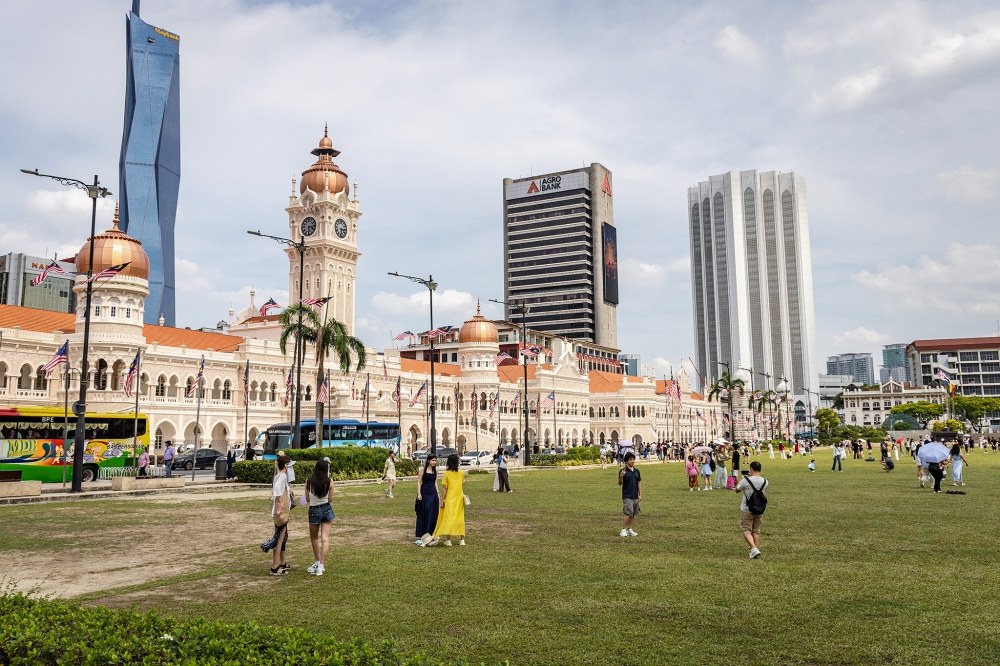
The centrepiece of the plan is a 22-kilometre network of covered pedestrian walkways linking major landmarks — including the National Mosque, Dataran Merdeka, and Central Market — while also connecting public housing estates to schools, clinics, and public transport hubs. For families in PPR flats and low-cost housing areas, this means safer and more accessible daily commutes, particularly for children walking to school and elderly residents visiting neighbourhood clinics.
A 100-acre leasehold site in Bukit Kiara is being gazetted as a federal park, expanding green recreational space for city dwellers who currently have limited access to nature within the urban core. Buggy services will be introduced specifically to assist elderly visitors in reaching destinations within the park area, including the National Monument, Botanical Gardens, and Carcosa Seri Negara — enabling more senior residents to enjoy public recreational spaces that were previously difficult to access on foot.
Two DBKL buildings will also be repurposed and upgraded into day centres for senior citizens: the Anjung Kelana Homeless Transformation Centre in Taman Desa and the Cheras Temporary Market. These conversions directly benefit the city’s aging population by providing dedicated community spaces where seniors can gather, access support services, and remain socially active.
Inclusive Access for All KL Residents, Including Elderly and Underserved Communities
It has come to light that this allocation is structured with inclusiveness at its core, with no high barriers to entry for the public facilities and green spaces being created.
The introduction of buggy services at the Bukit Kiara federal park is a deliberate design choice to ensure that elderly residents — who might otherwise be excluded from enjoying large outdoor spaces — can participate fully. The conversion of existing DBKL buildings into senior citizen day centres further reinforces this commitment to underserved groups, particularly older Malaysians who benefit most from accessible community infrastructure.
The 22km pedestrian walkway network is also conceived with inclusive access in mind: by physically connecting public housing to schools, clinics, and transport nodes, the project reduces dependence on private vehicles and benefits lower-income residents who rely on public transport and walking as their primary modes of getting around.
Across all components of this allocation, the underlying principle is the same — professional, well-planned urban infrastructure should serve every resident of Kuala Lumpur, not just those in affluent neighbourhoods.
Heritage Conservation Alongside New Development: Giving KL Residents Pride in Their City
Safety, reliability, and long-term community value are what Kuala Lumpur residents deserve from their city’s public investments — and Budget 2027 addresses this through both new development and the preservation of existing heritage assets.
Prime Minister Anwar commended Khazanah Nasional’s Warisan KL initiative, which has already drawn 500,000 visitors following the successful restoration of the Sultan Abdul Samad Building. The next phase of conservation will focus on three additional iconic structures: Dayabumi Tower, Kuala Lumpur Railway Station, and the KTMB headquarters — each a landmark that holds cultural and historical significance for generations of city residents.
Permodalan Nasional Berhad (PNB) was also recognised for its restoration of Merdeka Stadium, with the National Stadium identified as the next site for renewal. To encourage broader community use of both venues, entertainment duty will be exempted for arts, cultural, and sporting events held there — making these iconic spaces more accessible and affordable for ordinary Malaysians to enjoy.
Here’s What You Need to Know About the Budget 2027 DBKL Allocation
How much is DBKL receiving under Budget 2027? DBKL is receiving RM400 million under Budget 2027 to fund the creation of 120 acres of new green spaces and the upgrading of public facilities across Kuala Lumpur.
What is the 22km pedestrian walkway and who does it connect? The 22km covered pedestrian walkway network links major landmarks such as the National Mosque, Dataran Merdeka, and Central Market, while also connecting public housing areas to schools, clinics, and public transport hubs, benefiting daily commuters and residents across the city.
What is happening at the Bukit Kiara site under Budget 2027? A 100-acre leasehold site in Bukit Kiara is being gazetted as a federal park, with buggy services to be introduced to assist elderly visitors in accessing attractions such as the National Monument, Botanical Gardens, and Carcosa Seri Negara.
Which DBKL buildings are being converted into senior citizen day centres? The Anjung Kelana Homeless Transformation Centre in Taman Desa and the Cheras Temporary Market will be upgraded and repurposed as day centres for senior citizens under this Budget 2027 allocation.
What heritage conservation projects are connected to this Budget 2027 announcement? Khazanah Nasional’s Warisan KL initiative will extend to the conservation of Dayabumi Tower, Kuala Lumpur Railway Station, and the KTMB headquarters, following the successful restoration of the Sultan Abdul Samad Building, which has attracted 500,000 visitors.
What is happening with Merdeka Stadium and the National Stadium? PNB has restored Merdeka Stadium, with the National Stadium next in line for renewal. Entertainment duty will be exempted for arts, cultural, and sporting events held at both venues to encourage greater public use.
Who announced this allocation and when? Prime Minister Datuk Seri Anwar Ibrahim announced the RM400 million DBKL allocation during the tabling of Budget 2027 in Parliament on October 9, 2026.
Budget 2027’s RM400 million commitment to DBKL represents more than a financial figure — it is a concrete, measurable investment in the daily lives of Kuala Lumpur residents. From 120 acres of new green space and 22km of pedestrian walkways to senior citizen day centres and heritage conservation, every element of this allocation is designed to make the city more liveable, more inclusive, and more connected for the people who live, work, and raise families here. Follow developments on the Budget 2027 DBKL projects through official DBKL channels and the Prime Minister’s Office for implementation timelines and public access details.