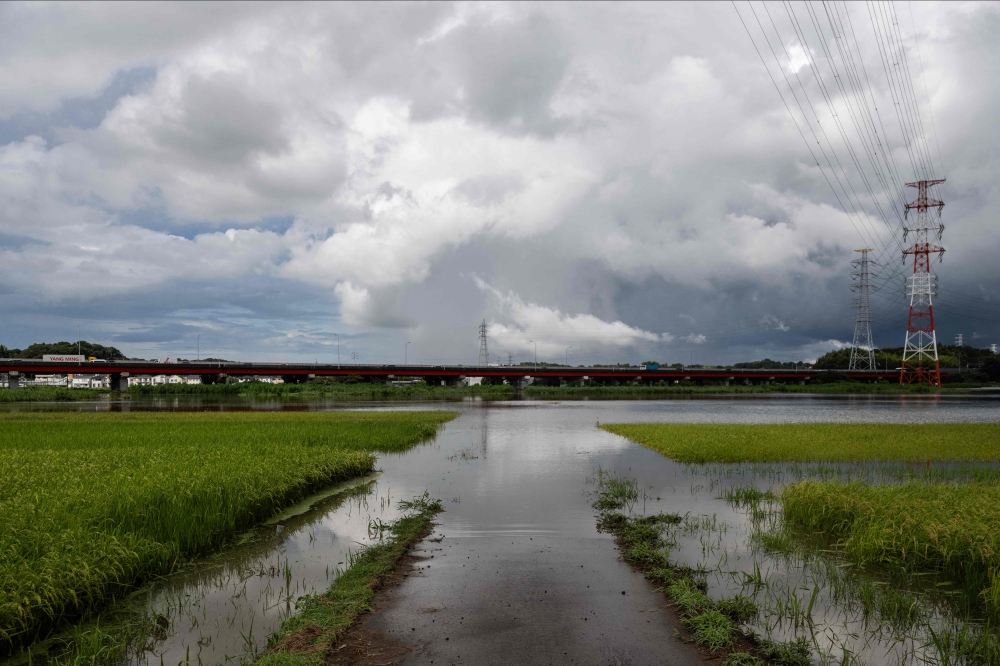
Heavy rainfall described as “unprecedented” by Japanese meteorological officials has claimed nine lives and plunged more than a thousand homes underwater in Chiba Prefecture, eastern Japan, marking one of the region’s most destructive weather events in six decades.
Record-Breaking Downpours Strike Chiba Prefecture With Devastating Force
The catastrophic flooding in Chiba Prefecture began late Thursday when torrential rains swept across eastern Japan, triggering the highest-level heavy rain warning ever issued for the region — a first in recorded history for Chiba. Public broadcaster NHK confirmed the nine-fatality toll on Sunday morning, drawing on its own running tally of the disaster.
A weather station in Chiba Prefecture recorded 30 centimetres — nearly 12 inches — of rain within a single 24-hour period, making August 2026 the area’s wettest August in 60 years. By Friday morning, the city of Chiba had already logged more than three times the rainfall it would typically receive across the entire month of August, according to Japan’s land ministry in Tokyo.
An official from Japan’s Meteorological Agency told a news conference on Thursday that conditions were “shaping up to be an unprecedented level of heavy rain” — a warning that proved grimly accurate in the days that followed.
Deaths, Destroyed Homes, and Stranded Vehicles Paint a Grim Picture Across the Region
The human and material toll from the Chiba Prefecture flooding is severe and continuing to develop. Chiba’s disaster management office, as of Saturday evening, had confirmed eight fatalities, with victims found in a range of distressing circumstances — some trapped inside submerged cars, others discovered on flooded streets. NHK’s Sunday morning update raised that count to nine.
Beyond the loss of life, over 70 houses across the Chiba region were partially destroyed by the rains, according to the prefecture’s latest tallies. More than 1,000 households reported flooding, with nearly 600 of those seeing water rise above floorboard level — a threshold that typically renders homes temporarily uninhabitable.
Transportation infrastructure suffered heavily. An estimated 1,200 vehicles were abandoned on roads as flood waters made driving impossible, with local authorities deploying tow trucks and hydraulic jacks to clear them. Rail services and road networks across the affected areas faced severe disruptions in the immediate aftermath of the deluge.
Power Outages and Landslide Warnings Compound the Crisis for Affected Residents
The flooding was not the only danger facing residents of Chiba Prefecture in the wake of Thursday’s downpours. The extreme rainfall simultaneously triggered landslide warnings across vulnerable areas and caused widespread power outages, leaving communities without electricity during an already dangerous and disorienting situation.
Authorities acted quickly to issue evacuation guidance as the scale of the emergency became clear. The issuing of the highest-level weather alert for Chiba — unprecedented in the region’s history — reflected the severity of what forecasters were observing in real time. Emergency responders worked through the weekend to reach those stranded by floodwaters and account for the missing.
Climate Change Amplifying the Frequency and Ferocity of Extreme Weather Events
Scientists and climate researchers have consistently warned that human-driven climate change is making extreme weather events more frequent, more prolonged, and more intense — a pattern that the Chiba Prefecture disaster reflects with alarming clarity.
The scale of the August 2026 flooding, with its 60-year rainfall records shattered and its highest-ever weather warning issued, fits squarely within the trajectory that climate scientists have projected for the Asia-Pacific region. Japan, which sits in a typhoon-prone zone and has increasingly experienced severe summer rainfall events, has seen extreme weather become a recurring seasonal concern for emergency management agencies and local governments alike.
The Chiba event adds to a growing body of evidence that such disasters — once considered rare outliers — are becoming a defining feature of the region’s climate reality.
Key Facts: What We Know About the Chiba Prefecture Japan Floods
How many people have died in the Chiba Prefecture floods? Nine people have died as a result of the torrential rains in Chiba Prefecture, eastern Japan, according to NHK’s tally reported on Sunday, August 16, 2026.
How much rain fell during the Chiba Prefecture flooding? A weather station in Chiba Prefecture recorded 30 centimetres — nearly 12 inches — of rain in a single 24-hour period. By Friday morning, the city of Chiba had received more than three times its typical total August rainfall.
How many homes were flooded in Chiba? More than 1,000 households in the Chiba region reported flooding. Of those, nearly 600 homes saw water rise above floorboard level, according to the prefecture’s own figures.
When did the Japan flooding begin? The torrential rains began late Thursday, prompting the highest-level heavy rain warning ever issued for the Chiba region — the first time such an alert had been activated for that area.
How many vehicles were abandoned due to the Chiba floods? An estimated 1,200 vehicles were abandoned on roads across the affected areas. Authorities were working to remove them using tow trucks and jacks as of the latest reports.
Were there other hazards beyond flooding in Chiba? Yes. The extreme rainfall also triggered landslide warnings and caused power outages across affected communities, compounding the dangers faced by residents during the crisis.
Is climate change linked to the Chiba Prefecture flooding? Scientists affirm that human-driven climate change is making extreme weather events more frequent, prolonged, and intense. The Chiba floods — which broke a 60-year rainfall record for the region — are consistent with those established climate projections.
The situation in Chiba Prefecture continues to develop as authorities clear stranded vehicles, assess structural damage, and account for all those affected by what Japan’s Meteorological Agency has called an unprecedented weather event. Updates are expected as recovery operations progress in the days ahead.