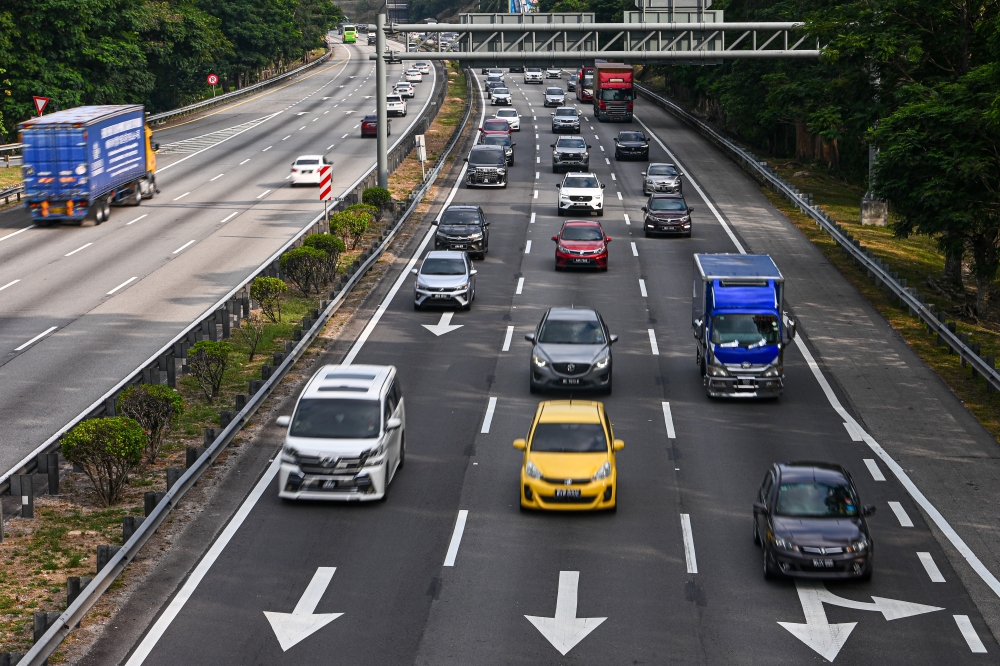
Every Malaysian driver knows the frustration. You are in a hurry, the road ahead is clear, and yet a slow-moving vehicle sits stubbornly in the rightmost lane, refusing to budge. This habit — commonly known as lane hogging — does far more than test patience. It creates dangerous bottlenecks, triggers aggressive overtaking manoeuvres, and contributes directly to highway accidents. For millions of Malaysian commuters who rely on expressways every day, the consequences are real and recurring.
Now, the Malaysian Institute of Road Safety Research (Miros) is stepping in with a practical, data-driven response. By introducing minimum advisory speed limits on selected Malaysian highways, Miros aims to tackle lane hogging at its root and restore smoother, safer traffic flow for everyday road users across the country.
Miros Launches a Proof-of-Concept Pilot to Bring Order Back to Malaysian Expressways
The Malaysian Institute of Road Safety Research (Miros) has officially launched a Proof of Concept (POC) project to implement minimum advisory speed limits on Malaysian highways, running until October 31, 2026. This initiative is a direct response to the persistent problem of slow-moving vehicles occupying fast lanes — a behaviour that disrupts traffic flow and raises accident risk for all road users.
The project is a collaborative effort involving Miros, the Malaysian Highway Authority (LLM), PLUS Malaysia Berhad, and the South Klang Valley Expressway (SKVE). For years, lane discipline on Malaysian expressways has been an ongoing concern among commuters, transport researchers, and road safety advocates alike. This pilot represents a structured, evidence-based attempt to change that reality through smarter traffic management.
The core strategy is straightforward: encourage drivers to select a lane that matches their travelling speed, nudging slower vehicles away from the rightmost lane and freeing it for faster-moving traffic. Miros will collect behavioural and traffic flow data throughout the pilot period to assess whether the advisory limits genuinely influence driver behaviour before deciding whether to expand the programme nationally.
Three Strategic Highway Locations Chosen to Test the Impact on Real Traffic Conditions
The minimum speed limit pilot is being tested at three specific expressway locations chosen for their traffic characteristics and community significance. These sites directly affect hundreds of thousands of motorists travelling through central and southern Malaysia daily.
The three pilot locations are:
- North-South Expressway (PLUS) E1: KM400.1 to KM388.0, northbound (Tanjung Malim to Behrang)
- South Klang Valley Expressway (SKVE) E26: KM9.6 to KM16.7 (Ayer Hitam Toll Plaza to Bandar Saujana Putra)
- PLUS E2: KM267.8 to KM278.8, northbound (Bandar Ainsdale to Nilai)
Strategic signage will be installed throughout all three pilot zones to inform motorists of the recommended minimum speeds. By focusing on stretches with known congestion patterns, the initiative directly addresses the bottlenecks that regularly delay commuters, freight operators, and intercity travellers relying on these roads every day.
Recommended Speed Thresholds Give Every Lane a Defined Purpose for Safer Driving
The minimum advisory speed limits introduced by Miros assign each lane a clear functional role, providing practical guidance that benefits all road users — including those who may not have previously considered how their lane choice affects the drivers behind them.
The recommended minimum speeds are structured as follows:
- Left lane: Minimum 60 km/h — suited for slower-moving traffic and cruising
- Middle lane: Minimum 80 km/h (or 60 km/h depending on the number of lanes)
- Rightmost lane: Minimum 100 km/h on three- to four-lane highways, or 80 km/h on two-lane expressways
These thresholds are advisory rather than legally enforceable. Miros has been clear that drivers must continue to exercise judgement based on prevailing road and weather conditions. Motorists are not expected to maintain minimum speeds during heavy rain or poor visibility, traffic congestion or road accidents, road maintenance or lane closures, or when directed otherwise by highway personnel or police. Safety remains the absolute priority, and all existing maximum speed limits and traffic laws remain fully in force throughout the pilot.
International Precedents Show That Minimum Speed Limits Deliver Measurable Benefits for Highway Communities
Miros drew inspiration for this initiative from established practices in other countries where minimum speed limits have already proven effective in improving expressway efficiency and reducing accident rates — outcomes that matter enormously to the communities depending on safe highway travel.
In Germany, sections of the Autobahn typically impose minimum speeds of around 60 km/h to prevent slow vehicles from obstructing faster traffic. In Japan, many expressways enforce a minimum speed of 50 km/h to improve efficiency and reduce the risk of rear-end collisions. In the United States, several states apply minimum speed limits in selected areas to prevent vehicles from becoming hazards through excessively slow travel.
These examples demonstrate that minimum speed limits, when properly communicated and contextualised, can shift driver behaviour meaningfully over time. For Malaysian highway users, the potential benefits are tangible: fewer dangerous bottlenecks, reduced road rage incidents, smoother journey times, and ultimately fewer accidents on the expressways that connect communities, families, and businesses across the country.
Here Is What You Need to Know About Malaysia’s Minimum Highway Speed Limit Trial
What is the minimum highway speed limit pilot in Malaysia? The Malaysian Institute of Road Safety Research (Miros) has launched a Proof of Concept project to trial minimum advisory speed limits on selected Malaysian highways, running until October 31, 2026, in collaboration with LLM, PLUS Malaysia Berhad, and SKVE.
Where exactly are the minimum speed limits being trialled? The pilot covers three locations: PLUS E1 (KM400.1 to KM388.0 northbound, Tanjung Malim to Behrang), SKVE E26 (KM9.6 to KM16.7, Ayer Hitam Toll Plaza to Bandar Saujana Putra), and PLUS E2 (KM267.8 to KM278.8 northbound, Bandar Ainsdale to Nilai).
What are the recommended minimum speeds for each lane? The left lane carries a minimum of 60 km/h, the middle lane carries a minimum of 80 km/h (or 60 km/h depending on lane count), and the rightmost lane carries a minimum of 100 km/h on three- to four-lane highways, or 80 km/h on two-lane expressways.
Are these minimum speed limits legally enforceable? No. The minimum speeds are advisory, not mandatory. Drivers are expected to adjust their speed based on road conditions, weather, and safety considerations. All existing traffic laws and maximum speed limits remain fully in force.
Why is Miros introducing minimum speed limits on Malaysian highways? The primary goal is to address lane hogging — the habit of slow-moving vehicles occupying faster lanes — which creates dangerous bottlenecks, increases accident risk, and causes widespread congestion on Malaysian expressways.
Do other countries use minimum highway speed limits? Yes. Germany applies minimum speeds of around 60 km/h on sections of the Autobahn, Japan enforces a minimum of 50 km/h on many expressways, and several US states apply minimum speed limits in specific areas to prevent hazardously slow driving.
What happens after the pilot ends on October 31, 2026? Miros will analyse the traffic flow and behavioural data collected during the three-month pilot period to determine whether the advisory minimum speed limits have effectively influenced driver behaviour, and will then decide whether to expand the programme to highways nationwide.
Lane hogging has long been one of Malaysian highway users’ most persistent frustrations — and a genuine road safety concern. The Miros minimum speed limit pilot, running across three expressway locations until October 31, 2026, offers a measured, community-focused response to a problem that affects every driver on Malaysian roads. By drawing on proven international models from Germany, Japan, and the United States, and by keeping the approach advisory rather than punitive, this initiative puts safer and more considerate highway driving within reach for all Malaysians. Watch for the new signage on pilot stretches and do your part — choose your lane wisely.