Malaysian workers have long navigated a workplace culture where mental health struggles are frequently dismissed, underreported, or left entirely without institutional support. Burnout, excessive workloads, and the absence of structured support mechanisms continue to affect employees across industries — leaving millions of ordinary Malaysians without a formal safety net at work. Now, a landmark workplace mental health policy is taking shape, with Health Minister Datuk Seri Dr Dzulkefly Ahmad confirming that a comprehensive policy draft will be ready by September or October 2026.
Rooted in Public Health Commitment, the Ministry of Health Puts Malaysian Workers First
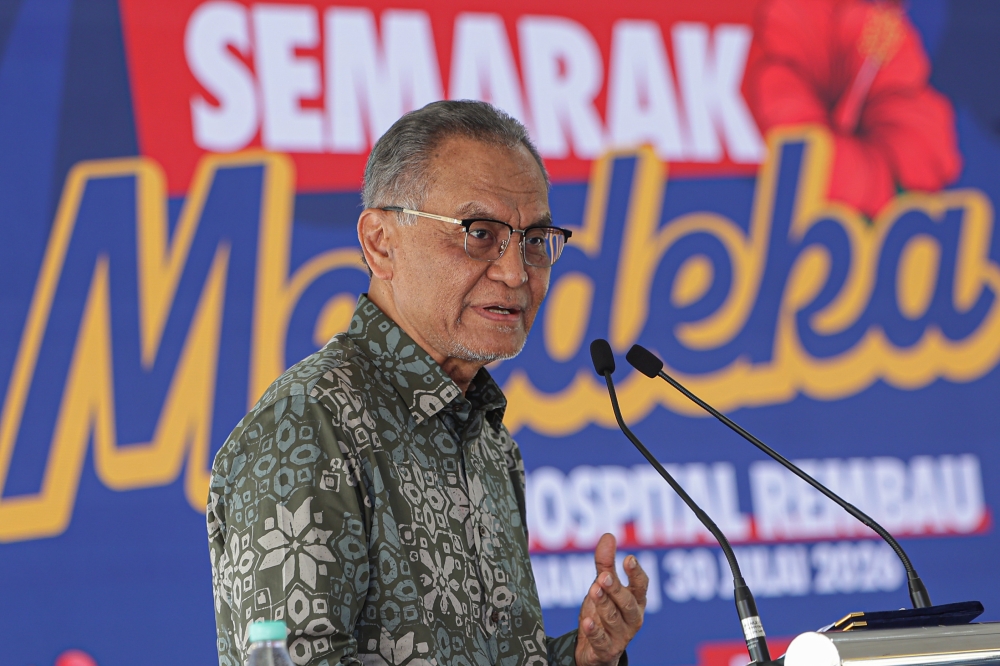
For years, the Ministry of Health (MOH) has been an important presence in shaping Malaysia’s public health landscape — and its latest initiative brings that commitment directly into the lives of everyday working Malaysians. The MOH is now developing a dedicated workplace mental health policy, officially announced by Health Minister Datuk Seri Dr Dzulkefly Ahmad during the MOH’s 2026 Merdeka Celebration programme for Negeri Sembilan, held at Hospital Rembau.
The ministry confirmed that the policy draft is targeted for completion by September or October 2026, a timeline deliberately set to allow sufficient space for thorough stakeholder engagement. The initiative is rooted in the community of Malaysia’s working population and reflects the ministry’s recognition that mental health challenges in the workplace must receive the same institutional seriousness as physical health concerns.
The policy development is aligned with Malaysia’s commitment to the United Nations Sustainable Development Goals (SDGs), specifically the goal of creating safe, inclusive, and harmonious working environments for all.
Serving the Local Community’s Workforce: What the Policy Directly Addresses
The workplace mental health policy directly addresses practical problems long faced by Malaysian employees — problems that have quietly eroded the well-being of workers across both the public and private sectors. Datuk Seri Dr Dzulkefly Ahmad made clear that the policy will go well beyond the provision of counselling services alone.
The policy framework will encompass several key dimensions of employee well-being:
- Work-life balance protections, ensuring employees are not routinely subjected to unsustainable workloads
- Burnout prevention mechanisms, with structured guidelines for employers to identify and reduce excessive occupational stress
- Support systems for employees, including access to mental health resources and clear pathways to assistance
- A conducive and harmonious working environment, built around standards that protect psychological safety in the workplace
For everyday families across Malaysia — where a breadwinner’s mental health directly impacts the household — these measures represent tangible, community-level change. The policy is designed to ensure that workplaces have the institutional capacity to support their employees’ mental well-being, not merely react to crises after they occur.
Inclusive Engagement Ensures No Sector Is Left Behind
It has come to light that the MOH is committed to making the policy development process as inclusive and wide-reaching as possible. Rather than drafting the policy in isolation, the ministry has structured formal engagement sessions with a broad coalition of stakeholders, ensuring that the final framework reflects the realities faced by workers across all sectors — including those in underserved industries and smaller enterprises often overlooked in national policy discussions.
The engagement process involves four key parties:
- The Ministry of Human Resources (Kesuma) — representing the regulatory framework governing employment
- The Department of Occupational Safety and Health (DOSH) — bringing expertise on workplace safety standards
- The Malaysian Employers Federation (MEF) — representing the perspective of employers and businesses
- The Malaysian Trades Union Congress (MTUC) — advocating directly for workers’ rights and needs
This multi-stakeholder approach ensures that no group is left behind in the policy’s design. First-time users of mental health support services in the workplace — particularly workers who have never had access to any formal support — stand to benefit most from a policy built with their realities in mind. The inclusive service design signals that the ministry views workplace mental health as a universal right, not a privilege reserved for employees at larger corporations.
A Strengthened Healthcare System Gives Malaysians Assured Peace of Mind
Safety and access to care are what community members care about most — and the MOH’s broader agenda extends beyond the workplace mental health policy to reinforce the entire national healthcare system. Datuk Seri Dr Dzulkefly Ahmad confirmed that the ministry will continue strengthening hospital services nationwide through the cluster hospital concept, under which specialists from lead hospitals provide services at non-specialist hospitals across the country.
Non-specialist hospitals will be upgraded in stages to offer selected specialist services, based on community needs, demand, and suitability. The specialist disciplines being strengthened include:
- Paediatrics
- Obstetrics and Gynaecology (O&G)
- Ophthalmology
- Ear, Nose and Throat (ENT) services
Importantly, the minister clarified that these improvements do not necessarily require building new hospitals or adding new blocks. Instead, the focus is on enhancing specialist service capacity within existing infrastructure and strengthening the primary healthcare system — a pragmatic, community-centred approach that delivers results without unnecessary expenditure.
These healthcare improvements, taken together with the forthcoming workplace mental health policy, signal a coordinated, long-term commitment to the well-being of Malaysians — from the clinic to the office floor.
Here’s What You Need to Know About Malaysia’s Upcoming Workplace Mental Health Policy
When will Malaysia’s workplace mental health policy draft be ready? The Ministry of Health targets completing the workplace mental health policy draft by September or October 2026, following the conclusion of stakeholder engagement sessions with key ministries and organisations.
Who is involved in developing the workplace mental health policy? The policy is being developed through formal engagement sessions involving the Ministry of Human Resources (Kesuma), the Department of Occupational Safety and Health (DOSH), the Malaysian Employers Federation (MEF), and the Malaysian Trades Union Congress (MTUC).
Will the policy only cover counselling services for employees? No. Health Minister Datuk Seri Dr Dzulkefly Ahmad confirmed the policy will address multiple dimensions of employee well-being, including work-life balance, burnout prevention, and comprehensive support mechanisms — not counselling alone.
What is the purpose of Malaysia’s workplace mental health policy? The policy aims to create a conducive, safe, and harmonious working environment in Malaysia, aligned with the United Nations Sustainable Development Goals (SDGs), and to give workplaces the institutional capacity to support employees’ mental well-being.
Which workers will benefit from the workplace mental health policy? The policy is designed to benefit all Malaysian workers across sectors, including those in smaller enterprises and industries that have historically lacked formal mental health support structures.
How does the cluster hospital concept relate to the MOH’s broader health agenda? The cluster hospital concept allows specialists from lead hospitals to provide services at non-specialist hospitals, effectively expanding access to specialist healthcare across the country without requiring the construction of new facilities.
What specialist services is the MOH prioritising under its hospital strengthening plan? The MOH is prioritising the expansion of paediatrics, obstetrics and gynaecology (O&G), ophthalmology, and ear, nose and throat (ENT) services at non-specialist hospitals nationwide.
A Healthier Malaysia Starts With a Healthier Workforce
The development of Malaysia’s workplace mental health policy marks a defining moment for the well-being of ordinary Malaysians. By committing to a comprehensive, inclusive, and multi-stakeholder policy framework — targeting completion by October 2026 — the Ministry of Health is taking direct action on a challenge that affects millions of workers and their families every day.
For Malaysians who want to stay informed on the progress of the workplace mental health policy, or to understand how upcoming changes may affect their rights and workplace environment, following updates from the Ministry of Health is the most reliable step forward.
Ministry of Health Malaysia (MOH) Website: www.moh.gov.my Official Enquiries: +603-8883 3888 Address: Ministry of Health Malaysia, Level 3–7, Block E1, Complex E, Federal Government Administrative Centre, 62590 Putrajaya, Malaysia