The Korean peninsula is enduring one of its most brutal summers on record — and how each Korea responds to the crisis reveals a striking divide between two nations separated by a thin strip of heavily armed land, yet bound by surprisingly similar culinary traditions.
As South Korea issues emergency heat alerts and residents seek refuge in air-conditioned cafes over iced lattes and imported gelato, North Korea’s state media is offering its citizens a very different prescription: steaming bowls of dog meat soup and samgye-tang, the traditional ginseng chicken broth long revered across the peninsula as a summer stamina booster.
North Korea Promotes Hot Soup Remedies Amid a Summer Crisis Its Infrastructure Cannot Handle
North Korea is promoting traditional hot soups as heat remedies at the very moment its citizens need relief the most. State media temperatures in the North have been reported at up to 40°C, while South Korea set multiple all-time records last week, peaking at 42.5°C on Sunday — a figure that triggered emergency outdoor activity warnings across Seoul.
The state-run Rodong Sinmun newspaper cited a doctor who recommended dog soup as “beneficial for nutritional supplementation” during Sunday’s record heat. Days later, the official Korean Central News Agency (KCNA) followed up with a recommendation for samgye-tang — a rich broth of chicken stuffed with glutinous rice, dates, and ginseng — citing a Korean proverb: “like cures like.”
KCNA specifically promoted the dish as a speciality of Kaesong, the North’s southernmost border city, and boasted of the “incomparable medicinal effect” of Kaesong ginseng, attributing its potency to the region’s “peculiar soil and water quality and unique cultivation method.”
State Media Showcases Beach Resorts While Chronic Power Shortages Tell a Different Story
North Korea’s state media has positioned the Kim Jong Un-opened Wonsan Kalma Beach resort as proof that citizens are coping with the heat in style. Broadcast footage showed crowds arriving by 8:00 am and staying until nightfall, bobbing in kayaks, floating on coloured inflatables, and riding jetskis along the Kalma Beach coastline.
But experts say this curated image conceals a far grimmer reality for most North Koreans. Rachel Minyoung Lee, a senior fellow at the Stimson Center’s Korea programme, told AFP that state media’s emphasis on ensuring water and electricity supplies “suggests that both are under strain.”
“North Koreans are likely suffering more from the heat than South Koreans because they lack the infrastructure that South Korea has,” Lee said. She added that factories in North Korea’s provinces were reportedly unable to operate at full capacity due to “chronic power shortages,” meaning that “many people outside Pyongyang have little or no access to air conditioning or even electric fans, making the current heatwave especially difficult to endure.”
More than 40 per cent of North Korea’s population of 26 million suffer from malnutrition, according to the World Food Programme — making the heat doubly dangerous for a population already struggling to feed itself.
A Shared Culinary Tradition Persists Across a Heavily Fortified Border
Despite decades of political hostility, both Koreas share a deep-rooted belief in the restorative power of hot food during the hottest days of summer. Samgye-tang is popular in the South as well, where restaurants specialising in the dish typically see their busiest season from June through August.
Son Heung-seo, proprietor of Jangsu Samgye-tang restaurant in Seoul, told AFP that extreme heat actually dampens business: “When temperatures climb above 40 degrees Celsius like they have now, people avoid going outside. There’s no choice but for business to slow down.”
But in more moderate summer conditions, he noted, “we usually get more customers in the summer than in the winter.”
Dog meat, meanwhile, once occupied a similar cultural role in the South as a traditional summer food. However, South Korea is set to outlaw dog meat consumption by February 2027, marking the end of a practice that North Korea continues to openly endorse through its state media recommendations.
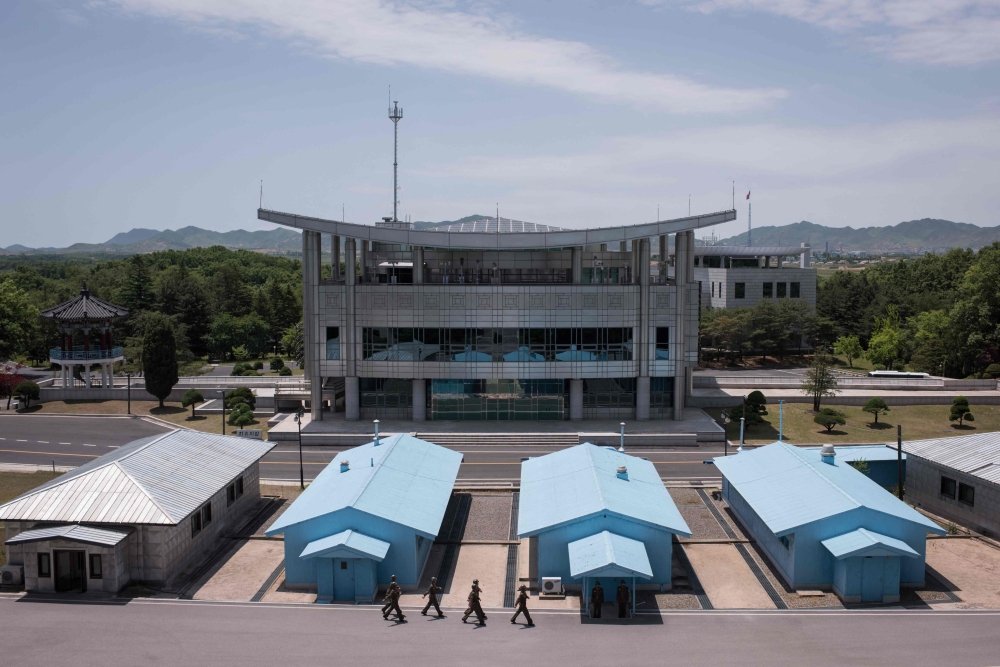
These culinary parallels serve as a reminder that despite the political gulf separating the two nations — widened by 70-plus years of armistice rather than peace — certain cultural threads remain unbroken across the demilitarised zone.
Here’s What You Need to Know About North Korea’s Heatwave Response and the Samgye-Tang Story
What did North Korea recommend to citizens during the 2026 heatwave? North Korea’s state media recommended dog meat soup and samgye-tang — a traditional Korean broth of chicken stuffed with glutinous rice, dates, and ginseng — as nutritional remedies to combat the extreme summer heat, with state-run KCNA citing the Korean proverb “like cures like” to justify the hot-food approach.
What temperatures did the Korean peninsula record during this heatwave? South Korea recorded peak temperatures of 42.5°C on Sunday, setting several all-time highs over three consecutive days the same week. North Korea’s state media reported temperatures reaching up to 40°C within the country.
How many deaths has South Korea attributed to the 2026 heatwave? South Korean authorities attributed 23 deaths to the extreme heat during this heatwave period.
Why is North Korea less equipped to handle extreme heat than South Korea? North Korea lacks the infrastructure — particularly reliable electricity, air conditioning, and electric fans — that South Korea has to manage extreme heat. Chronic power shortages reportedly prevent even factories in provincial areas from operating at full capacity, leaving most citizens outside Pyongyang with minimal heat relief options.
What is samgye-tang and why is it associated with summer in Korea? Samgye-tang is a traditional Korean dish consisting of a whole young chicken stuffed with glutinous rice, jujube dates, garlic, and ginseng, simmered into a rich broth. Both North and South Koreans follow the cultural belief that consuming hot, nutritious food during summer’s hottest period helps restore stamina and replenish energy lost to heat.
Is dog meat still consumed in South Korea? Dog meat was historically consumed as a summertime dish in South Korea, but the government has moved to ban the practice entirely by February 2027. North Korea continues to promote dog meat soup as a legitimate summer health remedy through its state media.
What did North Korea’s state media say about the Kaesong ginseng used in samgye-tang? KCNA described Kaesong ginseng as having an “incomparable medicinal effect,” attributing its special properties to the region’s “peculiar soil and water quality and unique cultivation method.” The agency promoted samgye-tang made with Kaesong ginseng as the ideal heat remedy, positioning it as a local speciality tied to North Korea’s southernmost border city.
The contrast between two Koreas facing the same punishing summer could not be more stark: one nation’s citizens browse air-conditioned spaces and sip iced coffee while issuing emergency alerts; the other receives cooking tips from state newspapers while sweating through power cuts. Yet in one warm bowl of ginseng broth, a shared cultural identity quietly endures — proof that even the most fortified border in the world cannot fully separate a people from their common culinary heritage.
Source: AFP reporting from the demilitarised zone, August 2026.