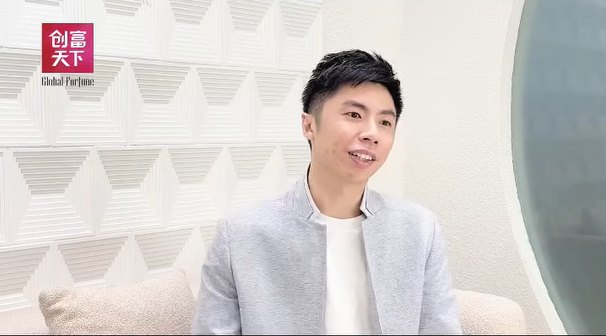
Among the many guests who took the stage at the 3rd China-Malaysia Film Culture Festival, few drew as much attention from attending media as Chairman Dr. Kervis Soo, whose remarks on the intersection of artificial intelligence and short-form drama production offered a rare glimpse into where the region’s content industry may be heading next.

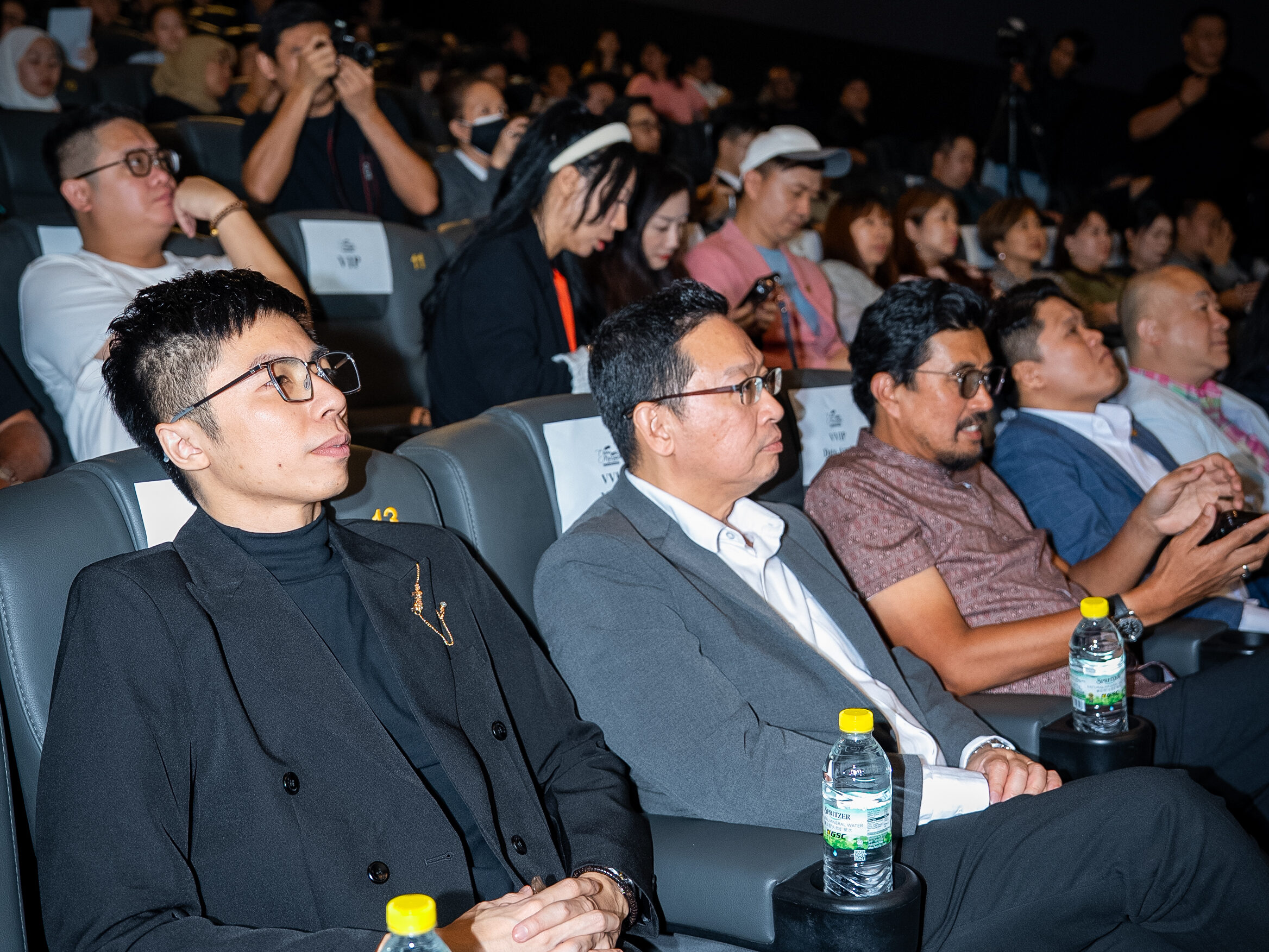
Speaking at the festival, Dr. Kervis Soo described his entry into the film industry as something of an accident. Roughly three years ago, with help from Aaron and a director’s film project, he found himself drawn into filmmaking, working across multiple productions before pivoting toward influencer content and, eventually, artificial intelligence. That pivot, he explained, began with enterprise AI services — a business that has since grown to serve more than 800 companies across Malaysia.
It was through that enterprise AI work, combined with his background in film production, that Dr. Kervis says he identified short-form drama as a uniquely well-positioned format for AI-driven innovation. “We’re both a film company and an AI services company,” he noted, explaining how that dual identity naturally led his team toward exploring how AI could empower microdrama production.
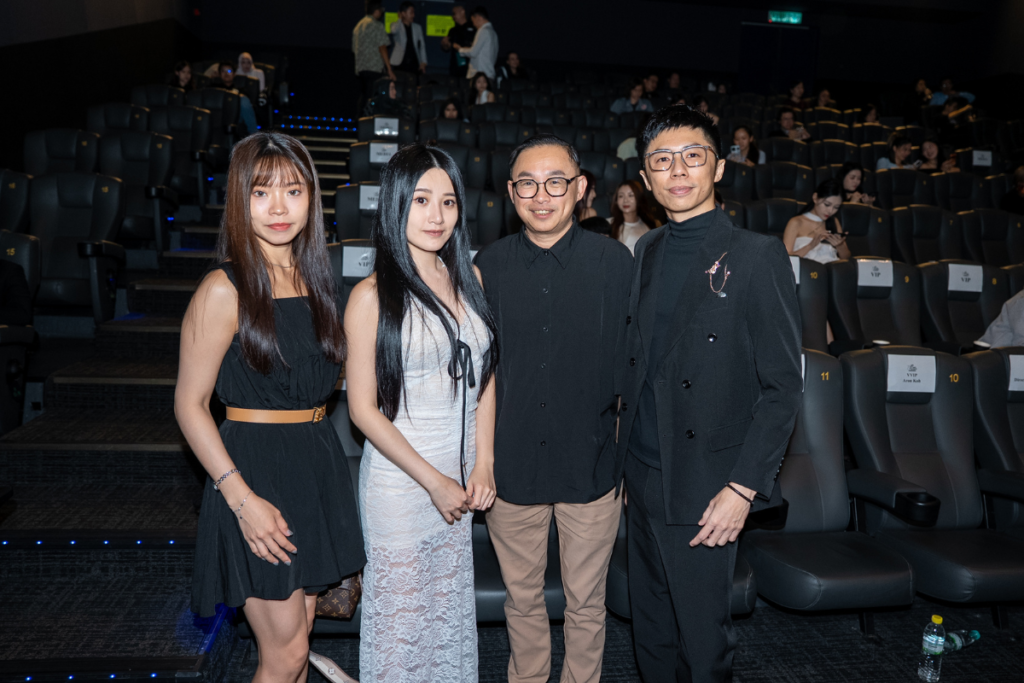
He was candid about how far ahead China currently is in this space. Generating a few minutes of content, he said, is no longer a technical challenge — but achieving narrative coherence across longer-form, serialized content remains a far more difficult problem. To address this, his team is currently developing a script-logic-driven system: users input a theme — supernatural, romance, suspense, or otherwise — and the system automatically generates a complete episodic template spanning 30, 60, or even 90 episodes, with each episode distinct.
Dr. Kervis acknowledged that this capability remains rare globally. By his account, only three companies in China currently possess this level of technology, with one alone reportedly generating roughly RMB 1 billion in revenue within a short span of time. Given the proprietary nature of the technology, his team’s strategy has been one of iterative research and adaptation — studying, refining, and partnering with collaborators in China while bringing technical talent to Malaysia to localize development.
The system is slated for official launch on July 16, a date Dr. Kervis confirmed during his remarks. He also detailed the evolution of the company’s broader “100 microdramas” initiative, which began as live-action short drama production, transitioned into pure AI-generated content, and has now entered an AIGC phase combining real actors with AI-generated elements.
On the content side, Dr. Soo revealed his team currently holds rights to roughly 1,500 IPs, with plans to acquire additional intellectual property from Japan and South Korea. However, he was clear that the company’s core strategy remains centered on Chinese-language content, given its position as an official overseas partner of Douyin — prioritizing the global Chinese-speaking market before expanding into other languages.
He also offered an interesting observation on audience psychology: AI-generated content, he argued, benefits from a higher tolerance for imperfection than live-action productions. “People don’t blame a cartoon for bad acting,” he said, drawing a comparison that he believes explains why audiences are more forgiving — and more open to ambitious, fantastical storytelling — when content is AI-generated.
Looking ahead, Dr. Soo was unequivocal in his outlook: AI-driven microdramas, combined with live-action content and strong IP, represent what he called “an absolutely massive market” — one his team intends to be at the forefront of building.