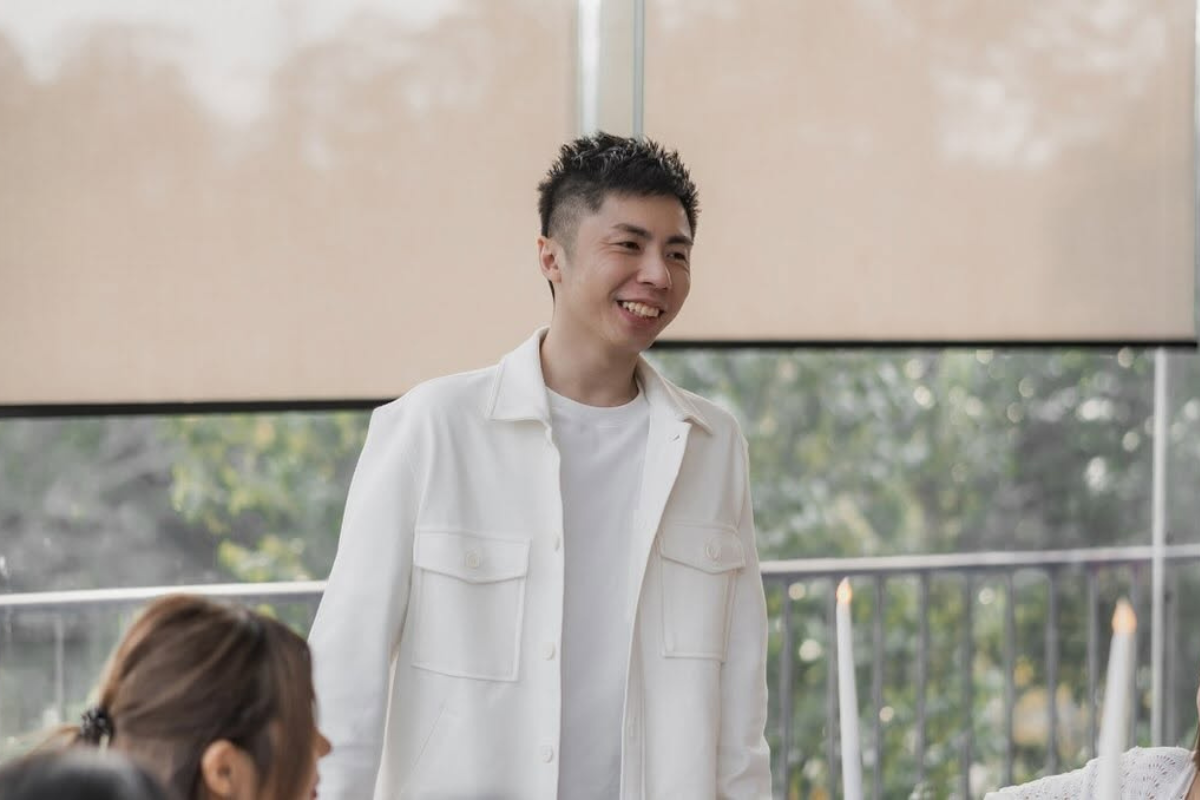
The short-drama industry has grown rapidly across Southeast Asia and China in recent years, yet traditional production models still face persistent pain points — high costs, long production cycles, and genre limitations, particularly for content involving time-travel, period dramas, or sci-fi, which often require complex sets or special effects that strain typical budgets. The VYBE AI creation platform was designed specifically to address these industry pain points, led by Dr Kervis Soo in an effort to fundamentally rebuild how short-drama content gets produced through AI technology.
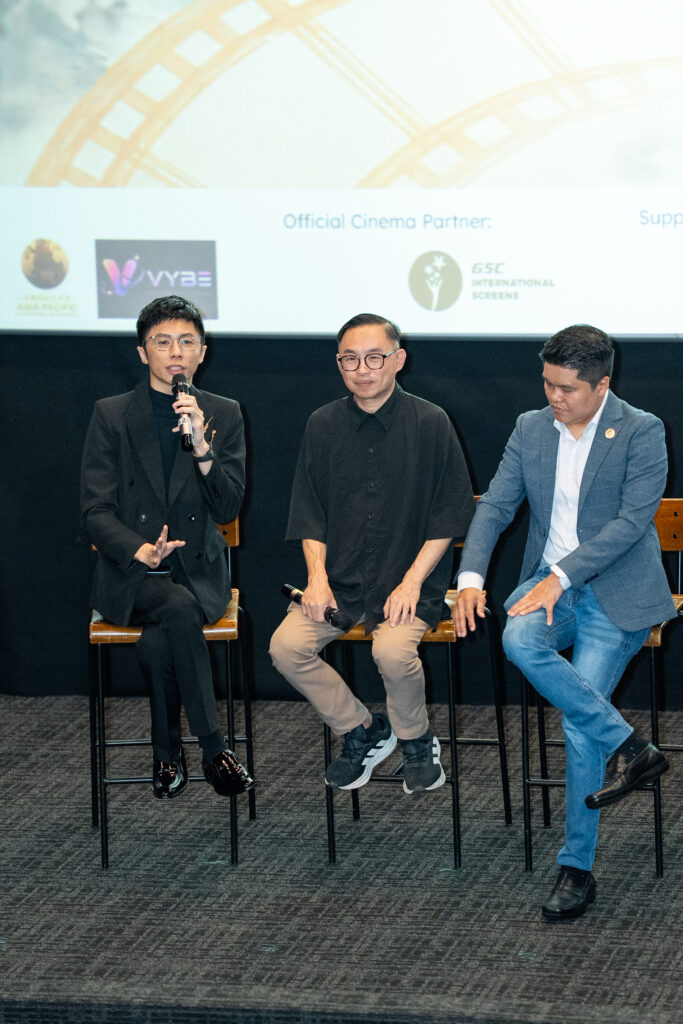
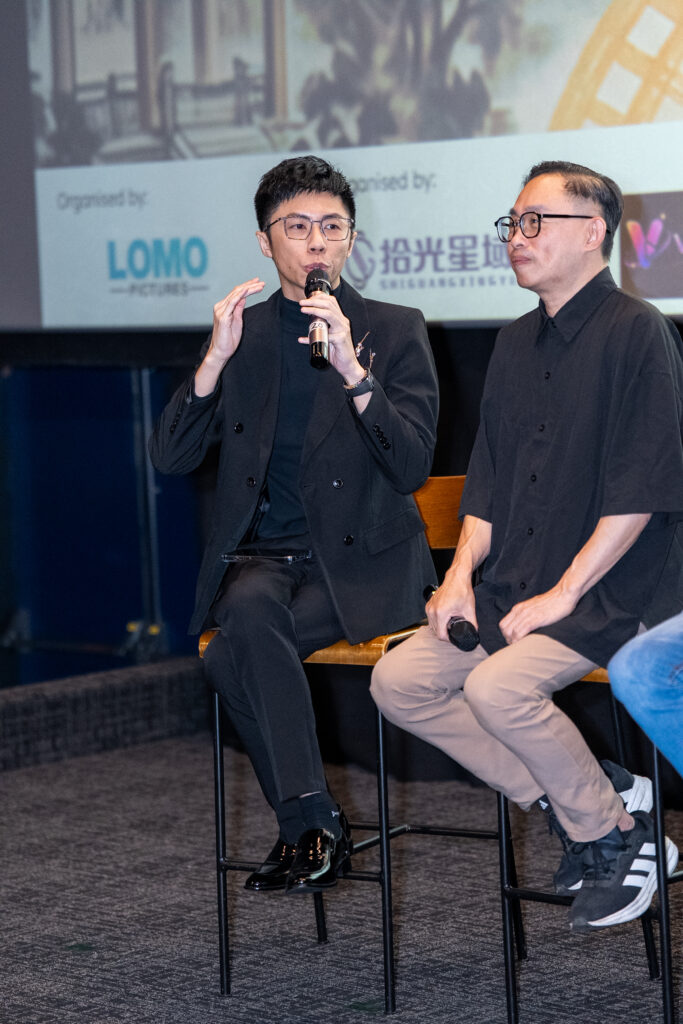
The first layer of the platform’s technical architecture is AI pre-visualization. Before actual filming begins, creators can use AI to generate storyboards and dynamic visual effects, previewing how the content will look ahead of time — significantly reducing the trial-and-error costs associated with actual shooting. The core value of this step lies in moving traditionally repetitive, on-set adjustments forward into the AI-generation stage, dramatically compressing both production timelines and budget requirements.
The second layer is AI animation production and multilingual generation. For creators looking to bring their short-drama content to a wider market, language barriers have long stood as a major obstacle to content export. The VYBE AI creation platform uses AI-driven multilingual generation to help creators instantly break through smaller-language constraints, allowing locally produced ASEAN short dramas to smoothly reach audiences across China, Southeast Asia, and beyond — both Chinese-speaking and non-Chinese-speaking alike.
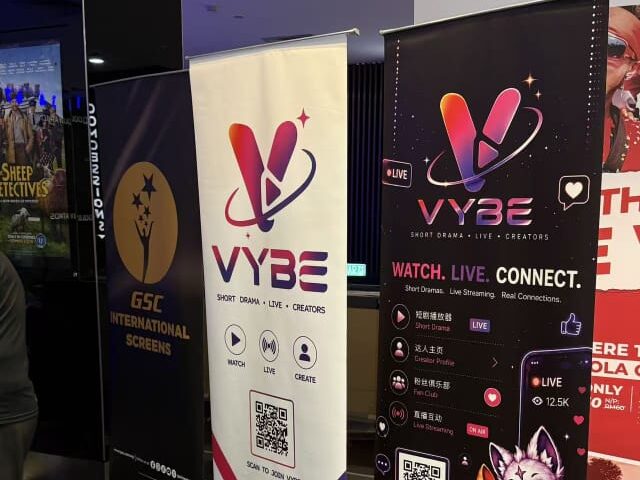
The third layer is AI virtual character and digital actor incubation technology. This capability allows creators to build digital avatars capable of producing content around the clock, with applications spanning virtual livestream commerce and digital IP development. Dr Kervis Soo points out that the core value of this technology lies in freeing content production from the time and energy constraints of human actors, further boosting the scale and efficiency of output.
These three technical layers don’t operate independently — they work in concert toward a single goal: achieving ‘industrial-scale, mass production’ of short-drama content. This concept is also reflected in the China–Malaysia Short Drama Strategic Cooperation Memorandum signed by Zocco Group with renowned Malaysian director Lee Yong Chang, which explicitly aims to use AI film production technology to overcome the physical set limitations that have historically constrained low-budget short dramas in time-travel, period, and sci-fi genres.
From a user experience standpoint, the VYBE AI creation platform’s design also takes into account the needs of creators at different levels — whether individual talents lacking professional production teams, or established content teams looking to boost output efficiency, both can leverage the platform’s AI tools to find a production approach that fits their own capabilities and budget.
Overall, the technology pathway represented by the VYBE AI creation platform is a concrete implementation of Dr Kervis Soo’s ‘All-in AI’ strategy on the content production side. As capabilities like AI pre-visualization, multilingual generation, and virtual character incubation continue to mature, the platform is positioned to further lower the barriers to short-drama content production — providing creators across ASEAN and beyond with a genuinely scalable, AI-industrialized content production system.