Introduction
Businesses operating in Malaysia’s shipping and petroleum sectors are facing a mounting crisis — not from market forces, but from regulatory silence. The uncertainty surrounding the commingled oil tax treatment for cargo mixed in shore tanks at Johor’s Tanjung Langsat Port has left port operators, logistics firms, and petroleum traders without a clear legal or financial framework to operate within. Without definitive guidance from the Royal Malaysian Customs Department (JKDM), companies cannot accurately price contracts, manage compliance risk, or plan operations with confidence. At the centre of this industry-wide call for clarity is Datuk Seri Jeyenderan Ramasamy, chief executive officer of Maritime Network Sdn Bhd — a veteran with more than 30 years of maritime industry experience — who is urging authorities to act before the damage becomes irreversible.
Tanjung Langsat Port Operations Depend on Regulatory Certainty for Petroleum Cargo Handling
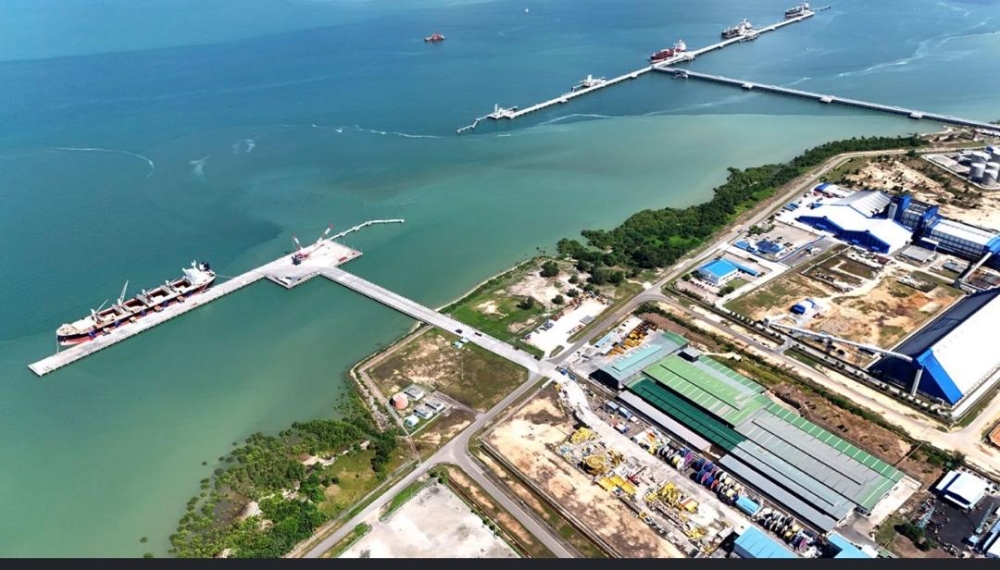
Tanjung Langsat Port in Johor is a critical node in Malaysia’s petroleum transshipment network. For years, this port has served as an important hub where crude oil and petroleum products from multiple vessel consignments are discharged into shore tanks as part of standard transshipment operations. The practice of commingling — mixing cargo from different consignments within the same shore tank — is not inherently irregular. It is, in many cases, an operational reality driven by tank capacity, logistics scheduling, and the physical nature of liquid cargo handling.
Datuk Seri Jeyenderan Ramasamy, who leads Maritime Network Sdn Bhd, confirmed that petroleum cargo at Tanjung Langsat Port is routinely discharged from vessels into shore tanks during transshipment. The core problem, he explained, is not the act of commingling itself but the complete absence of formal regulatory guidance on how such commingled cargo should be classified, documented, valued, and assessed for tax purposes. “While commingling could be part of operational practices, the absence of clear guidelines on its regulatory and tax implications could expose businesses to uncertainty, additional costs and potential disputes with the authorities,” Jeyenderan stated.
The Practical Impact of Commingled Oil Tax Ambiguity Falls Hardest on Everyday Port Businesses
The regulatory gap surrounding the commingled oil tax is not an abstract policy problem — it translates directly into financial exposure for the companies and workers who depend on Tanjung Langsat Port for their livelihoods. When crude oil from different consignments is mixed in a shore tank, the physical characteristics of the cargo can change. Unless the accompanying documentation is properly updated to reflect this, discrepancies arise in cargo classification, valuation, and tax assessment. These discrepancies, left unaddressed, expose businesses to disputes with customs authorities, unexpected tax liabilities, and the prospect of cargo delays.
Jeyenderan identified a cascade of practical consequences that prolonged uncertainty produces for port businesses: cargo delays that disrupt delivery schedules, additional storage costs from cargo held pending regulatory clarification, contractual complications when tax treatment cannot be confirmed at the point of contract, and broader operational disruption across the port. Legitimate businesses — those operating transparently and in good faith — bear the brunt of this regulatory vacuum. “Companies should not be left to interpret tax and customs requirements on their own, particularly when the outcome could have significant financial implications for their operations,” Jeyenderan said.
Clear Customs Guidelines Would Make Petroleum Trade Accessible and Predictable for All Operators
It has come to light that the industry’s call is not for preferential treatment but for inclusive, accessible regulatory clarity that allows every business — from large petroleum trading houses to smaller logistics operators — to participate in the market on equal footing. Jeyenderan was direct on this point: “We are not asking for special treatment. We are asking for clarity. Businesses need to know what is permitted, what documentation is required and what tax treatment applies.”
The absence of clear guidance creates an uneven playing field. Companies with greater resources can absorb compliance uncertainty or retain legal counsel to navigate ambiguous tax positions. Smaller operators, including first-time participants in petroleum transshipment and those with limited legal and financial buffers, are left most vulnerable. Jeyenderan called on JKDM to establish requirements covering documentation, cargo classification, valuation, and tax assessment so that all businesses — regardless of size — know exactly what is expected of them. If commingling is permitted, customs must state the requirements. If a tax applies, businesses must know how it is calculated. If no tax applies under the relevant rules, that too must be clearly communicated.
Industry Stakeholders Deserve a Trusted Customs Framework Built on Transparent Engagement
Safety and financial certainty are what port businesses and their stakeholders care about most. Jeyenderan urged JKDM to engage directly with industry players to better understand actual operations involving petroleum cargo at Tanjung Langsat Port — particularly processes that occur after vessel discharge and during storage and transshipment. This kind of direct, ground-level engagement between regulators and the industry they oversee is the foundation of a trusted customs framework.
Maritime Network Sdn Bhd, led by Datuk Seri Jeyenderan Ramasamy, operates as a recognised voice within Malaysia’s maritime sector, with decades of accumulated experience navigating the intersection of shipping operations, customs compliance, and petroleum logistics. Jeyenderan’s call for JKDM to issue a definitive ruling on the permissibility of commingling and its associated tax classification is grounded in the practical realities of port operations — not legal technicalities. Legitimate companies operating at Tanjung Langsat Port should not face unexpected financial exposure because of unclear regulatory or tax requirements, he stressed. A clear, publicly communicated ruling from JKDM would restore confidence across the sector and allow businesses to plan and contract with certainty.
Here’s What You Need to Know About the Commingled Oil Tax Issue at Tanjung Langsat Port
What is commingled oil, and why does it arise at Tanjung Langsat Port? Commingled oil refers to petroleum cargo from different vessel consignments that is mixed together in the same shore tank during transshipment operations. At Tanjung Langsat Port, this occurs when crude oil or petroleum products are discharged from vessels into shared shore tanks as part of standard logistical and operational processes.
Why is the commingled oil tax treatment unclear? The Royal Malaysian Customs Department (JKDM) has not issued a definitive ruling on whether the commingling of oil cargo in shore tanks is permissible, how such cargo should be classified and documented, or what tax rate and calculation method applies. This absence of formal guidance leaves businesses without a clear compliance framework.
Who is most affected by the uncertainty over commingled oil tax? Businesses in the shipping and petroleum sectors operating at Tanjung Langsat Port are most directly affected, including petroleum traders, logistics operators, and port service providers. Smaller companies without dedicated legal or compliance teams face disproportionate risk from the regulatory ambiguity.
What has Maritime Network Sdn Bhd called on JKDM to do? Datuk Seri Jeyenderan Ramasamy, CEO of Maritime Network Sdn Bhd, has called on JKDM to urgently issue a clear ruling specifying whether commingling is permitted, what documentation is required, how cargo should be classified and valued after commingling, and how any applicable tax should be calculated.
What are the consequences if the commingled oil tax issue remains unresolved? Continued regulatory uncertainty could result in cargo delays, additional storage and operational costs, contractual complications between trading parties, unexpected tax liabilities, and broader disruption to business activities at Tanjung Langsat Port.
Has commingling been declared illegal by Malaysian customs authorities? As of the date of this report, JKDM has not issued a ruling declaring commingling illegal. The problem identified by Jeyenderan is the absence of any clear ruling — either permitting or prohibiting the practice — which leaves businesses in a state of unresolvable compliance uncertainty.
What does the industry want from Malaysian customs authorities? Industry stakeholders want JKDM to engage directly with port operators and petroleum businesses to understand actual transshipment operations, and to issue clear, published guidelines covering all aspects of the commingled oil tax — including documentation requirements, cargo classification standards, valuation methodology, and the applicable tax treatment.
Port Businesses Need Regulatory Clarity Now — Not Further Delay
The commingled oil tax uncertainty at Tanjung Langsat Port represents a solvable problem that is causing real, ongoing harm to Malaysia’s maritime and petroleum trade community. Datuk Seri Jeyenderan Ramasamy and Maritime Network Sdn Bhd have made a straightforward, reasonable request: that JKDM issue a definitive, publicly accessible ruling so that businesses can operate with confidence, price their contracts accurately, and meet their compliance obligations without ambiguity.
Malaysia’s port and petroleum sectors contribute meaningfully to the national economy and to the livelihoods of thousands of workers and businesses across the supply chain. They deserve a regulatory environment that is clear, consistent, and communicated transparently. JKDM’s engagement with industry stakeholders at Tanjung Langsat Port is not just welcome — it is necessary.
For industry inquiries or to follow developments on this issue, stakeholders are encouraged to contact Maritime Network Sdn Bhd directly through official channels.