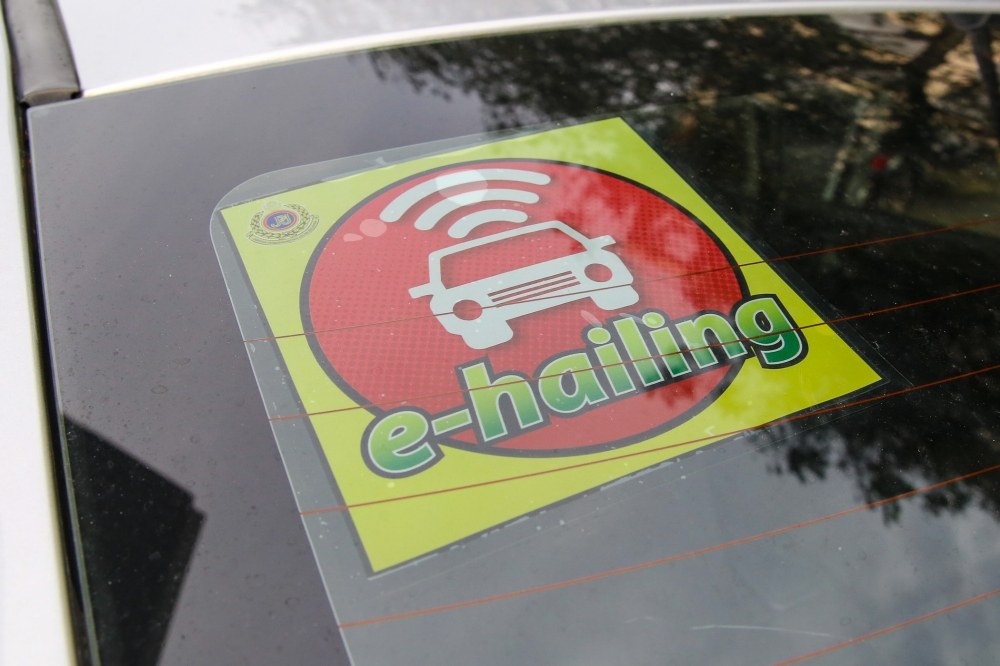
Malaysia’s e-hailing drivers face a financial burden that rarely makes headlines but quietly drains their take-home income every year: fixed annual motor insurance premiums that take no account of how many hours they actually work, how safely they drive, or how many kilometres they cover. For gig-economy motorists who may work irregular shifts or part-time hours, paying the same flat premium as a full-time commercial driver is neither fair nor proportionate. Pay-as-you-drive insurance — a usage-based model priced on actual mileage and individual risk profiles — is now being studied by the Malaysian government as a practical solution to this long-standing problem.
Malaysia’s Transport Ministry and Bank Negara Are Driving a Community-Centred Insurance Reform
The Transport Ministry confirmed in a written parliamentary reply on October 28, 2026, that a dedicated Inter-Agency Task Force (IATF), convened by Bank Negara Malaysia, is actively spearheading efforts to restructure e-hailing insurance mechanisms and reduce the financial burden on drivers across the country. The reply was submitted in response to a question raised by Bakri MP Tan Hong Pin in the Dewan Rakyat.
For years, this inter-agency effort has been an important area of policy development, bringing together the Transport Ministry, Bank Negara Malaysia, the Land Public Transport Agency (APAD), the Road Transport Department (JPJ), insurance and takaful providers, and e-hailing driver associations under a single coordinated framework. The reform represents a firm institutional commitment to addressing a practical burden faced by ordinary gig workers — not a distant policy aspiration, but a live study with real stakeholders at the table.
Usage-Based Premiums and Telematics Technology Directly Address What E-Hailing Drivers Have Always Complained About
The core proposal under review would replace traditional fixed annual premiums with usage-based policies calculated on a per-kilometre basis, combined with individual driver risk ratings. Under this model, a driver who works fewer hours or covers fewer kilometres each month pays a proportionally lower premium — making coverage fairer and more responsive to how gig workers actually earn their living.
The task force is also evaluating the integration of telematics technology, which monitors driving behaviour such as speed, acceleration, and braking patterns, to reward safer road conduct with lower premiums and to actively reduce crash risks across the e-hailing community. This directly benefits not only drivers but also passengers and other road users.
Concurrently, the government is exploring deeper data-sharing protocols between e-hailing platform operators and insurance underwriters to improve risk assessment accuracy and streamline accident claims verification — practical solutions that reduce administrative friction for everyday drivers when they need their coverage most.
Accessible to All E-Hailing Drivers Regardless of Work Pattern or Hours
It has been made clear by the inter-agency task force that this insurance reform is designed to be inclusive and to benefit the full spectrum of e-hailing drivers — whether they operate full-time, part-time, or on a flexible schedule. The usage-based model removes one of the highest barriers currently facing part-time gig workers: the obligation to pay a fixed annual premium even when their actual road time is limited.
This approach recognises that e-hailing communities include drivers from diverse economic backgrounds, including those who rely on ride-hailing as a supplementary income source. By aligning premiums with actual usage, the reform opens fairer access to affordable, legitimate motor coverage for underserved groups within the gig economy — including first-time e-hailing drivers who currently face disproportionately high entry costs.
Statutory Obligations Remain Firm, Giving Drivers and the Public Assured Peace of Mind
Safety and legal compliance are what community residents and passengers care about most, and the reform does not loosen those protections. The Transport Ministry reiterated clearly that valid motor insurance remains a strict statutory obligation under Section 90(1) of the Road Transport Act 1987, enforced by JPJ to ensure financial indemnification for drivers, passengers, and third parties involved in road traffic collisions. This legal requirement is independently verifiable and remains non-negotiable regardless of which premium model is eventually adopted.
Wider social safety protections for gig workers — distinct from vehicle insurance — fall under the Human Resources Ministry through the Employees’ Social Security Act 1969, the Self-Employment Social Security Act 2017, and the Gig Workers Act 2025. These layered protections mean that licensed e-hailing drivers in Malaysia operate within a framework that provides them with assured peace of mind on multiple fronts, from road indemnification to personal welfare coverage.
Here’s What You Need to Know About Pay-As-You-Drive Insurance for E-Hailing Drivers in Malaysia
What is pay-as-you-drive insurance and how does it work for e-hailing drivers? Pay-as-you-drive insurance is a usage-based motor coverage model where premiums are calculated based on the actual number of kilometres driven and an individual driver’s risk profile, rather than a fixed annual rate — meaning e-hailing drivers who work fewer hours pay proportionally lower premiums.
Which government bodies are responsible for studying this reform? The reform is being led by an Inter-Agency Task Force (IATF) convened by Bank Negara Malaysia, with participation from the Transport Ministry, APAD, JPJ, insurance and takaful providers, and e-hailing driver associations.
What is telematics technology and how does it relate to this insurance model? Telematics technology monitors driving behaviour — including speed, acceleration, and braking patterns — and feeds this data into the premium calculation, rewarding safer drivers with lower insurance costs and helping to reduce accident rates across the e-hailing community.
Is motor insurance still legally required for e-hailing drivers under this new model? Yes. Valid motor insurance remains a strict statutory obligation under Section 90(1) of the Road Transport Act 1987, enforced by JPJ, and this requirement applies regardless of which pricing model is eventually implemented.
When will pay-as-you-drive insurance be implemented for Malaysian e-hailing drivers? The Transport Ministry’s parliamentary reply did not commit to a specific implementation timeline or project an expected reduction in premium costs; the initiative remains in the active study and evaluation phase as of October 2026.
Are social security protections for gig workers separate from this vehicle insurance reform? Yes. Broader gig worker welfare protections — including those under the Employees’ Social Security Act 1969, the Self-Employment Social Security Act 2017, and the Gig Workers Act 2025 — fall under the Human Resources Ministry and are administered separately from motor vehicle insurance.
How will data sharing between e-hailing platforms and insurers help drivers? Deeper data-sharing between platform operators and underwriters is being explored to improve risk assessment accuracy and speed up accident claims verification, reducing the administrative burden on drivers when they need to make a claim.
A Fairer Road Ahead for Malaysia’s Gig Community
The pay-as-you-drive insurance reform represents a meaningful step toward a more equitable gig economy in Malaysia — one where the cost of staying legally on the road is proportionate to the work actually done. The Inter-Agency Task Force led by Bank Negara Malaysia, working alongside the Transport Ministry, JPJ, APAD, and driver associations, is building a framework that places the practical needs of everyday e-hailing drivers at the centre of policy design.
As this study progresses, e-hailing drivers across the country are encouraged to follow developments through official Transport Ministry and Bank Negara Malaysia channels. If you are an e-hailing driver with questions about your current insurance obligations under Section 90(1) of the Road Transport Act 1987, contact JPJ directly or speak with a licensed insurance or takaful provider for guidance tailored to your situation.