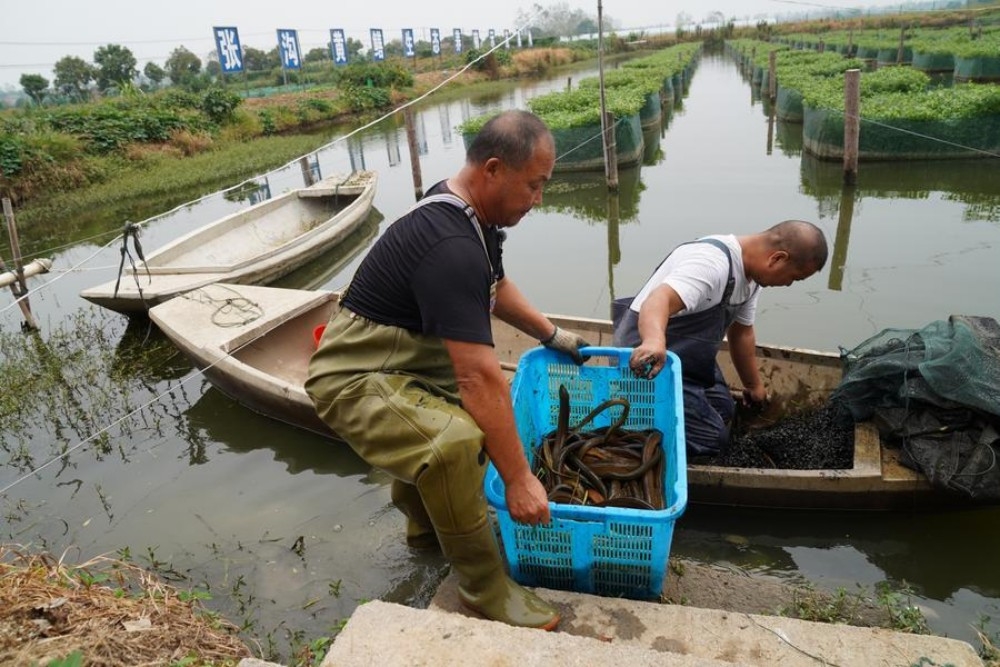
KWAP’s eFishery Investment Raises Public Accountability Concerns
The MACC probe into KWAP’s eFishery investment is a matter that directly affects millions of Malaysian public servants and retirees whose retirement savings are managed by Retirement Fund Incorporated (KWAP). When a government-linked fund commits RM163.4 million of public money into a foreign company that later collapses under allegations of financial fraud, ordinary Malaysians — especially those depending on their pension funds — have every right to demand answers.
The Ministry of Finance (MoF) has now confirmed that the Malaysian Anti-Corruption Commission (MACC) is actively investigating KWAP’s equity stake in Indonesian aquaculture technology company eFishery, following revelations that the firm engaged in financial manipulation and misrepresentation of facts in its financial reports. The investigation remains ongoing, and the public is watching closely.
MACC Investigation Into KWAP’s eFishery Stake Still Ongoing
The Malaysian Anti-Corruption Commission is currently conducting an active investigation into KWAP’s investment in eFishery, the Ministry of Finance confirmed in a written parliamentary reply dated October 29, 2026. KWAP — Malaysia’s Retirement Fund Incorporated, which manages pension assets for public sector employees — had invested a total of RM163.4 million in eFishery, acquiring a 2.51 per cent equity stake in the Indonesian firm.
The MoF stated that, as of the date of its parliamentary response, the ongoing investigation has not uncovered any evidence of criminal wrongdoing involving corruption or misappropriation. This was consistent with an earlier media report dated August 13, 2026, which the ministry referenced directly in its reply.
KWAP has cooperated fully with relevant authorities and the investor consortium in taking appropriate action against those responsible for the financial misconduct at eFishery. The ministry further stated that efforts are continuing through appropriate channels to maximise the recovery of the investment value, though no specific recovery timeline or figure has been disclosed.
The parliamentary question was raised by Tuan Kalam Salan (PN-Sabak Bernam), who sought clarity on how the investment was approved, which parties were responsible for the due diligence failure, the total losses incurred, and whether KWAP intends to take action against those deemed negligent.
eFishery’s Fraud Exposed Gaps That Affected Multiple Global Investors
The eFishery investment underwent established assessment and governance processes before KWAP committed public funds to the Indonesian aquaculture technology company. According to the Ministry of Finance, the pre-investment process included internal evaluations, independent due diligence, and reviews covering financial, legal, and operational aspects. The fund also engaged a qualified international auditor to verify the information available at the time.
Despite these safeguards, eFishery was subsequently found to have engaged in financial manipulation and deliberate misrepresentation of facts in its financial reports — conduct that deceived not only KWAP but also several major global institutional investors who held the majority of the company’s shares. KWAP remains a minority shareholder in eFishery, holding just 2.51 per cent of the company’s equity.
The ministry’s acknowledgment that multiple major international investors were also affected by the misconduct provides important context. It indicates that the due diligence failure was not unique to KWAP, and that eFishery’s fraudulent conduct was sophisticated enough to pass scrutiny from experienced global fund managers. Nevertheless, for Malaysian retirees and public servants whose contributions fund KWAP’s portfolio, the loss of RM163.4 million of public money demands full accountability.
Pension Fund Accountability Remains Central to the Public Interest
The eFishery investment saga matters far beyond the walls of Parliament. KWAP manages the retirement savings of Malaysian public servants, and every investment decision it makes carries direct consequences for the financial security of hundreds of thousands of civil servants and their families. When a RM163.4 million commitment is made to a foreign company that later collapses under fraud allegations, the impact is felt not just as a financial loss — it erodes public trust in the institutions entrusted with protecting retirement savings.
The Ministry of Finance has reaffirmed that KWAP is cooperating with all relevant authorities and that recovery efforts are actively underway. The government has also acknowledged the broader failure of eFishery’s management, which misled institutional investors globally through deliberate misrepresentation. However, questions about internal accountability at KWAP — including whether any individuals within the fund will face consequences for approving the investment — remain unanswered pending the outcome of the MACC investigation.
Transparency and accountability in the management of public pension funds are not optional — they are the foundation of public confidence in Malaysia’s retirement system.
Frequently Asked Questions About the MACC Probe Into KWAP’s eFishery Investment
What is the MACC investigating regarding KWAP and eFishery? The Malaysian Anti-Corruption Commission is investigating Retirement Fund Incorporated’s (KWAP) investment of RM163.4 million in Indonesian aquaculture technology company eFishery, following the company’s exposure for financial manipulation and misrepresentation of facts in its financial reports.
How much did KWAP invest in eFishery? KWAP invested a total of RM163.4 million in eFishery, which represented a 2.51 per cent equity stake in the Indonesian company.
Has the MACC found any evidence of corruption or misappropriation linked to KWAP’s eFishery investment? As of October 29, 2026, the Ministry of Finance confirmed that the ongoing MACC investigation has not uncovered any evidence of criminal wrongdoing involving corruption or misappropriation of funds.
What due diligence did KWAP carry out before investing in eFishery? KWAP conducted internal evaluations, independent due diligence, and financial, legal, and operational reviews before committing funds to eFishery. The process also included verification by a qualified international auditor based on information available at the time of investment.
Why did KWAP’s due diligence fail to detect eFishery’s fraud? eFishery engaged in deliberate financial manipulation and misrepresentation of facts in its financial reports, which deceived KWAP and several other major global institutional investors who also lost money in the collapse.
Is KWAP a major or minority shareholder in eFishery? KWAP is a minority shareholder in eFishery, holding a 2.51 per cent equity stake. Other investors, including major global institutional investors, hold the majority of the company’s shares.
Is the Malaysian government taking steps to recover KWAP’s losses from the eFishery investment? The Ministry of Finance confirmed that efforts are actively continuing through appropriate channels to maximise the recovery of the investment value, though no specific recovery amount or deadline has been publicly stated.
Accountability Must Follow the MACC Probe Into KWAP’s eFishery Investment
The confirmation that the MACC probe into KWAP’s eFishery investment remains active is a necessary step toward restoring public confidence in Malaysia’s pension fund governance. For the public servants and retirees whose financial futures depend on KWAP’s investment decisions, the investigation must be allowed to run its full course — transparently and without interference.
The Ministry of Finance has stated clearly that no evidence of corruption or misappropriation has been found to date, that KWAP is cooperating fully with authorities, and that recovery efforts are underway. These are encouraging signals, but they are not sufficient on their own. Malaysians deserve a complete accounting of how RM163.4 million in public money was committed to a company that was concealing financial fraud, and what systemic reforms will be put in place to prevent a similar outcome in the future.
The MACC investigation must be allowed to conclude, and its findings — whatever they may be — must be made available to the Malaysian public.