What Millions of Malaysian Pilgrims’ Savings Were Exposed To
For ordinary Malaysians who entrust their hard-earned savings to Tabung Haji with the singular hope of performing the haj, the findings now emerging from the Royal Commission of Inquiry (RCI) represent a profound breach of that trust. Depositors — many of them from modest, working-class backgrounds — had no way of knowing that the institution safeguarding their savings was making high-stakes investments without proper due diligence, bank guarantees, or adequate oversight. The RCI’s revelations about Tabung Haji’s 14 troubled investments have now brought those failures into sharp public focus, exposing the full extent of the damage done to a fund that belongs, above all, to the Malaysian public.
Seven of 14 Troubled Investments Ended in Complete Financial Wipeouts
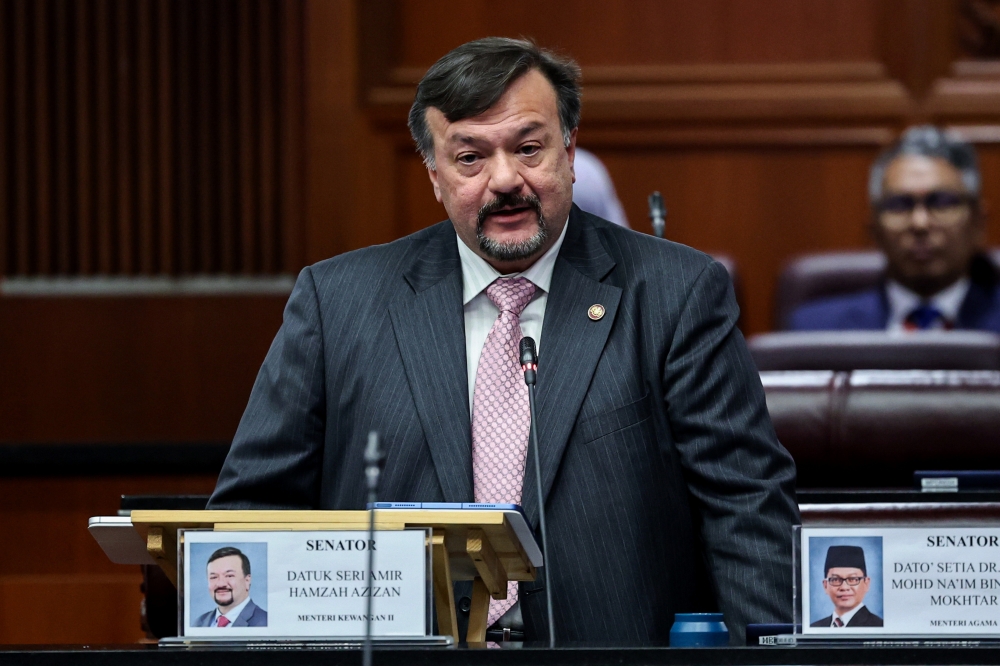
Finance Minister II Datuk Seri Amir Hamzah Azizan confirmed to the Dewan Rakyat on August 11, 2026 that seven of the 14 problematic investments identified by the Tabung Haji RCI resulted in total losses. Speaking during his winding-up speech on the RCI report, Amir Hamzah delivered one of the most damning accounting yet of how Tabung Haji’s funds — money set aside by Malaysians for their pilgrimage to Mecca — were placed into ventures that ultimately returned nothing.
The disclosure means that exactly half of the flagged investment portfolio was entirely lost, with no recovery of principal. For a fund entrusted with the religious and financial aspirations of millions of Malaysians, the scale of these total-loss outcomes represents a systemic governance failure, not merely a series of unfortunate market decisions.
The Saudi Hotel Deal: A RM1.86 Billion Loss Built on a Personal Note
Among all 14 troubled investments, the deal involving Saudi Arabia-based Al-Rawda Real Estates Development stands out as the single largest source of losses to Tabung Haji. Between 2015 and 2017, Tabung Haji paid RM1.5 billion as part of a lease arrangement with Al-Rawda covering four hotels in Madinah. These hotels were designated to house Malaysian haj pilgrims — a purpose that gave the deal an appearance of institutional legitimacy and direct community benefit.
However, Amir Hamzah revealed that Tabung Haji entered this agreement without completing full due diligence and without securing a bank guarantee from Al-Rawda. The sole basis for proceeding with the RM1.5 billion commitment was an individual’s personal note — a deeply inadequate safeguard for a transaction of this magnitude. The minister declined to name the individual.
Al-Rawda began defaulting on its rent payments to Tabung Haji from the first quarter of 2019. By 2024, cumulative losses from the Al-Rawda deal had reached RM1.86 billion — a figure that represents real money belonging to Malaysian depositors who contributed to the fund in good faith.
Depositors Deserved Protection That Governance Failures Denied Them
The broader picture painted by the RCI is one where ordinary Malaysians bore the consequences of decisions made far above them, without their knowledge or consent. Tabung Haji depositors — many of whom save modest amounts over decades to fulfil a religious obligation — were never informed that their contributions were being channelled into overseas real estate deals backed by nothing more than personal notes, or into a portfolio where half of the troubled investments would be entirely wiped out.
The Al-Rawda investment alone consumed RM1.5 billion in payments, later growing to RM1.86 billion in losses as defaults accumulated over five years from 2019 to 2024. The absence of a bank guarantee meant there was no financial backstop when Al-Rawda stopped paying. The absence of due diligence meant the risks were never properly assessed before the commitment was made. These are not technical oversights — they are fundamental protections that existed precisely to prevent outcomes like this.
What You Need to Know About Tabung Haji’s RCI Investment Findings
How many of Tabung Haji’s troubled investments resulted in total losses? Seven of the 14 troubled investments identified by the Tabung Haji Royal Commission of Inquiry resulted in total losses, according to Finance Minister II Datuk Seri Amir Hamzah Azizan, who confirmed this figure in the Dewan Rakyat on August 11, 2026.
Which investment caused the biggest losses for Tabung Haji? The investment involving Saudi Arabia-based Al-Rawda Real Estates Development caused the largest losses, amounting to RM1.86 billion as of 2024. Tabung Haji paid RM1.5 billion between 2015 and 2017 under a hotel lease arrangement in Madinah, but Al-Rawda began defaulting on payments from the first quarter of 2019.
What did the Al-Rawda deal involve? The Al-Rawda deal was a lease agreement covering four hotels in Madinah, Saudi Arabia, intended to house Malaysian haj pilgrims. Tabung Haji entered the agreement between 2015 and 2017 and paid RM1.5 billion as part of that arrangement.
Was proper due diligence conducted before the Al-Rawda investment? No. Finance Minister II Amir Hamzah confirmed that Tabung Haji entered the Al-Rawda deal without completing full due diligence and without requiring a bank guarantee from Al-Rawda. The investment proceeded based solely on an individual’s personal note.
When did Al-Rawda start defaulting on payments to Tabung Haji? Al-Rawda began defaulting on its rent payments to Tabung Haji in the first quarter of 2019 and has continued to do so, resulting in cumulative losses of RM1.86 billion by 2024.
Who disclosed these figures in Parliament? Finance Minister II Datuk Seri Amir Hamzah Azizan disclosed these figures during his winding-up speech on the Tabung Haji RCI report in the Dewan Rakyat on August 11, 2026.
What is the Royal Commission of Inquiry into Tabung Haji? The Royal Commission of Inquiry (RCI) into Tabung Haji was convened to investigate the financial mismanagement of Lembaga Tabung Haji, Malaysia’s pilgrims’ fund. Its findings identified 14 troubled investments, seven of which resulted in total losses, with the Al-Rawda deal in Saudi Arabia causing the single largest financial damage to the fund.
A Fund That Must Be Made Whole for Those Who Trusted It
The findings disclosed by Finance Minister II Amir Hamzah Azizan in the Dewan Rakyat on August 11, 2026 make clear that Tabung Haji’s troubled investments — 14 in total, seven of which produced complete losses — were not the product of unavoidable market forces. They were the result of decisions made without due diligence, without bank guarantees, and in at least one case, on the basis of a single individual’s personal note. The Al-Rawda deal alone inflicted RM1.86 billion in losses on a fund whose depositors are everyday Malaysians saving for one of the most significant journeys of their lives.
The Malaysian public, and Tabung Haji depositors in particular, deserve full accountability for how these failures occurred, who authorised them, and what concrete steps will be taken to ensure that the savings of ordinary Malaysians are never again placed at risk through inadequate governance and unchecked decision-making.