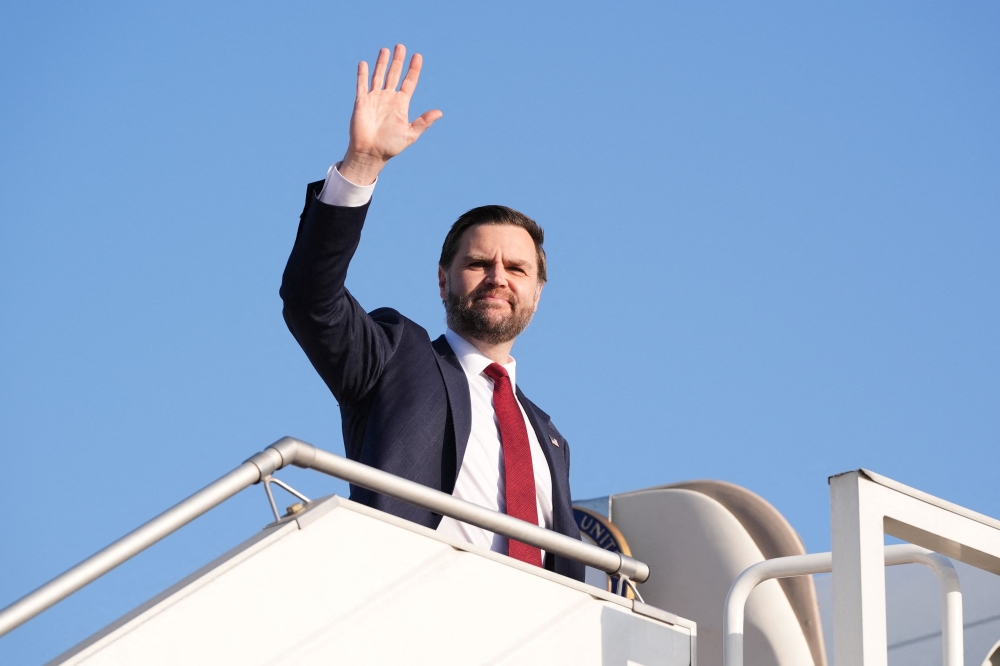
The Nobel Peace Prize has always carried the weight of global expectation — but the 2026 announcement, scheduled for Friday in Oslo, arrives under an unusually charged atmosphere. Observers and peace researchers agree that Donald Trump’s Nobel Peace Prize ambitions are casting a long shadow over this year’s decision, even as his actual chances of winning remain slim. With 287 nominees on the list and the world recording its highest number of armed conflicts since 1946, the stakes for the Norwegian Nobel Committee have never felt higher.
Trump’s Relentless Campaign for the Nobel Looms Over Oslo
Since returning to the White House in January 2025, Donald Trump has campaigned intensively for the Nobel Peace Prize, making little effort to conceal his frustration at not yet receiving it. The Nobel Peace Prize and Trump’s pursuit of it have become inseparable from the broader conversation about this year’s announcement.
Haakon Gjerlow, head of the Peace Research Institute in Oslo (PRIO), describes Trump plainly as “the spectre in the room.” The committee, Gjerlow notes, must weigh a difficult question: “Is there any potential for this prize to create harm rather than good in awarding it?” — given the unpredictable reactions that could emerge from the White House.
Trump’s prospects are undermined by concrete realities. His administration’s war against Iran, territorial ambitions that have strained alliances — most notably over Greenland — and sustained attacks on international cooperation institutions and press freedom all work against his candidacy. Even so, every potential winner in 2026 will inevitably be read as either a vindication of or a rebuke to the sitting US president.
The Committee Asserts Its Independence Against External Pressure
Despite the intense lobbying that surrounds this year’s Nobel Peace Prize announcement, the Norwegian Nobel Committee is standing firm on its independence. Kristian Berg Harpviken, the committee’s secretary, told AFP directly: “There’s always a lot of lobbying, and ultimately perhaps also attempts to exert pressure on the committee. So in one sense we’re very used to that.”
Harpviken was equally direct about where the deliberations stand: “It’s not something we don’t discuss. Of course we have to discuss it, but it’s not like that influences the discussions in the room and decisions that come out.”
This institutional resolve is significant. The committee has faced external pressure before — but the combination of an openly campaigning US president and a geopolitical environment marked by 65 active armed conflicts involving at least one state actor in 2025 (the highest figure recorded since 1946, according to PRIO) makes 2026 a defining moment for the prize’s credibility.
Frontrunners Reflect a World in Crisis — With or Without Trump’s Approval
The Nobel Peace Prize frontrunners in 2026 span a wide spectrum, reflecting the depth and diversity of global crises. Some candidates could earn broad consensus, including from the Trump administration. Others represent a direct challenge to the current US president’s worldview.
Among the consensus candidates, Save the Children and Mykola Kuleba — a Ukrainian children’s rights activist campaigning for the return of children illegally taken to Russia from occupied territories — stand out. This cause resonates even with Melania Trump, giving such a choice a degree of political insulation. Sudan’s Emergency Response Rooms (ERR), a grassroots volunteer network operating under the dual threat of war and famine, is another widely respected potential laureate.
On the other end of the spectrum, UN special rapporteur for the occupied Palestinian territories Francesca Albanese, Pope Leo XIV, and press freedom organisations such as the Committee to Protect Journalists have all been discussed as possibilities. International justice bodies, including the International Criminal Court (ICC) and the International Court of Justice (ICJ), are also in contention.
Nobel historian Asle Sveen frames the stakes bluntly: “We live in an age of predators. We have Trump, Putin, Netanyahu. They don’t want to have an international order. They want to have big powers with spheres of influence. And this court stands in the way.”
Last Year’s Winner Set a Complex Precedent for 2026
The 2025 Nobel Peace Prize went to Venezuelan opposition leader Maria Corina Machado — a choice that was broadly seen as palatable to Trump. Machado subsequently gave Trump her Nobel gold medal, declaring he deserved it following the capture of President Nicolas Maduro. However, her gesture did not secure Trump’s political backing in return.
That episode adds another layer of complexity to the 2026 decision. The committee is aware that a “safe” choice can still be instrumentalised in ways that undermine the prize’s intent. A bolder choice, meanwhile, risks provoking a response from Washington that could overshadow the laureate’s work entirely.
Here’s What You Need to Know About the 2026 Nobel Peace Prize Announcement
When will the 2026 Nobel Peace Prize winner be announced? The 2026 Nobel Peace Prize winner will be announced on Friday, October 10, 2026, in Oslo, Norway, by the Norwegian Nobel Committee.
How many candidates are nominated for the 2026 Nobel Peace Prize? A total of 287 individuals and organisations have been nominated for the 2026 Nobel Peace Prize. The full list of nominees remains confidential for 50 years after each announcement.
Does Donald Trump have a realistic chance of winning the Nobel Peace Prize in 2026? Experts and peace researchers assess Donald Trump’s chances of winning the 2026 Nobel Peace Prize as minimal. His administration’s war against Iran, territorial ambitions regarding Greenland, and attacks on international institutions and press freedom significantly undermine his candidacy.
Has the Norwegian Nobel Committee confirmed that external pressure from Trump will not influence its decision? Yes. Committee secretary Kristian Berg Harpviken stated directly to AFP that while lobbying and pressure attempts are routine, they do not influence the committee’s internal discussions or final decisions.
Who are the leading candidates for the 2026 Nobel Peace Prize? Leading candidates include Save the Children, Ukrainian children’s rights activist Mykola Kuleba, Sudan’s Emergency Response Rooms (ERR), UN special rapporteur Francesca Albanese, Pope Leo XIV, the Committee to Protect Journalists, the International Criminal Court (ICC), and the International Court of Justice (ICJ).
What did the 2025 Nobel Peace Prize winner do with her medal? The 2025 Nobel Peace Prize laureate, Venezuelan opposition leader Maria Corina Machado, gave her Nobel gold medal to Donald Trump, stating he deserved it after the capture of President Nicolas Maduro. Trump did not provide the political backing she sought in return.
How many armed conflicts were active globally in 2025? According to the Peace Research Institute Oslo (PRIO), 65 armed conflicts involving at least one state actor were registered in 2025 — the highest number recorded since 1946.
The 2026 Nobel Peace Prize announcement arrives at a moment when, as committee secretary Harpviken stated, “a peace prize may make more sense than ever.” Regardless of who is named on Friday, the choice will say something consequential about what the international community values — and what it is willing to stand behind — in a world where peace remains the exception rather than the rule.